The White House remains one of the most recognizable symbols of American government and a frequent subject of public interest—whether you’re fascinated by its history, architecture, or the practicalities of visiting. This guide covers what people most want to know about the White House today, from tours and visitor logistics to the building’s design and public-facing programs.
Why the White House attracts attention
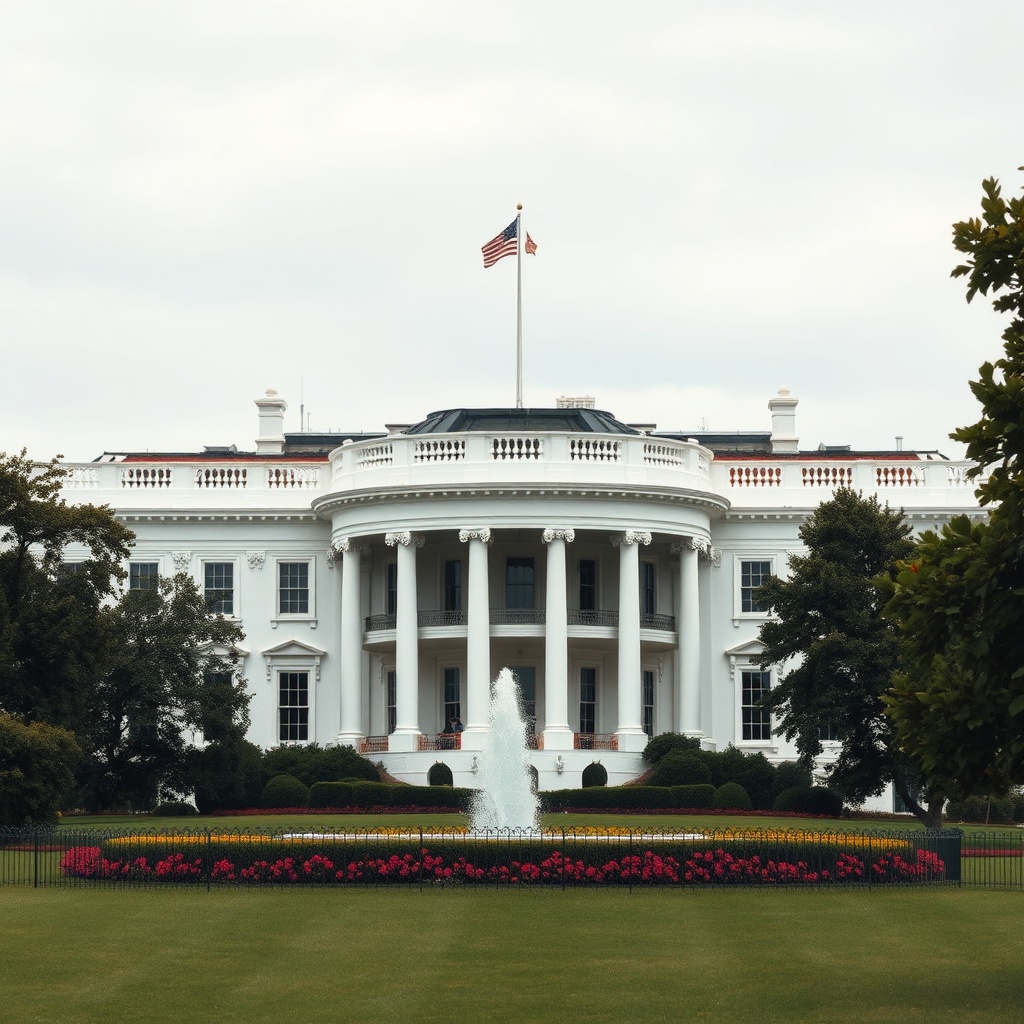
The White House functions as both an executive residence and a working office. Its rooms and grounds—like the Rose Garden, East Room, and State Dining Room—serve ceremonial, diplomatic, and everyday governmental purposes. That blend of public ritual and private life makes the property a living symbol that draws visitors, scholars, and photographers alike.
Planning a visit: what to expect
Public tours offer a chance to see parts of the White House interior and its public rooms, but access is limited and subject to security screening. Tours are typically arranged through a member of Congress for domestic visitors, or through an embassy for international visitors. Requests should be submitted well in advance, and approval depends on security checks and scheduling.
Practical tips for visitors
– Request early: Tour requests often need lead time and are processed through official channels.
– ID and screening: Visitors are required to present government-issued photo ID and pass security screening.
– Pack light: Bags, large purses, and items like tripods or large electronics may be restricted—check current guidance before you arrive.
– Photography: Rules about photography can vary; some areas permit photos while others do not. Follow staff instructions.
– Accessibility: The White House and the Visitor Center provide accommodations for guests with mobility needs—contact your tour coordinator for details.
What you’ll see (and what you won’t)
Public tours focus on the State Floor and certain ceremonial rooms. Places central to day-to-day executive work, such as the Oval Office, are not part of standard public tours. The White House grounds and gardens are notable for their landscaping and seasonal events, while the nearby White House Visitor Center offers exhibits, artifacts, and educational displays for those who can’t secure an interior tour.
Architecture and design highlights
The White House reflects neoclassical design influences and has been shaped by generations of renovations and artistic choices. Decorative elements, presidential portraits, and historically significant furnishings make each room a curated glimpse into presidential history and national identity. Many visitors appreciate the contrast between formal state spaces and more intimate ceremonial areas.
Public programs and digital access
For those who can’t visit in person, official online resources and virtual tours provide high-quality access to White House history and exhibitions. Educational programs, multimedia content, and visitor information are available through official channels, making it easier for educators, students, and history fans to explore remotely.
Staying informed
Policies about tours, security, and visitor services can change.
Before planning a trip, consult official White House visitor information and your congressional representative or embassy for the latest guidance. That ensures you arrive prepared and enjoy the experience without surprises.
Whether you’re drawn to the history, the architecture, or the rare opportunity to step inside a national landmark, the White House continues to attract attention and curiosity. With a little planning and awareness of current visitor policies, a visit can be a memorable highlight of any trip to the capital.