The Lincoln Memorial stands as one of the most powerful symbols on the National Mall, drawing millions of visitors who come to reflect on leadership, equality, and national memory. More than a monument, it’s a carefully composed experience of architecture, art, and civic meaning.
Design and symbolism
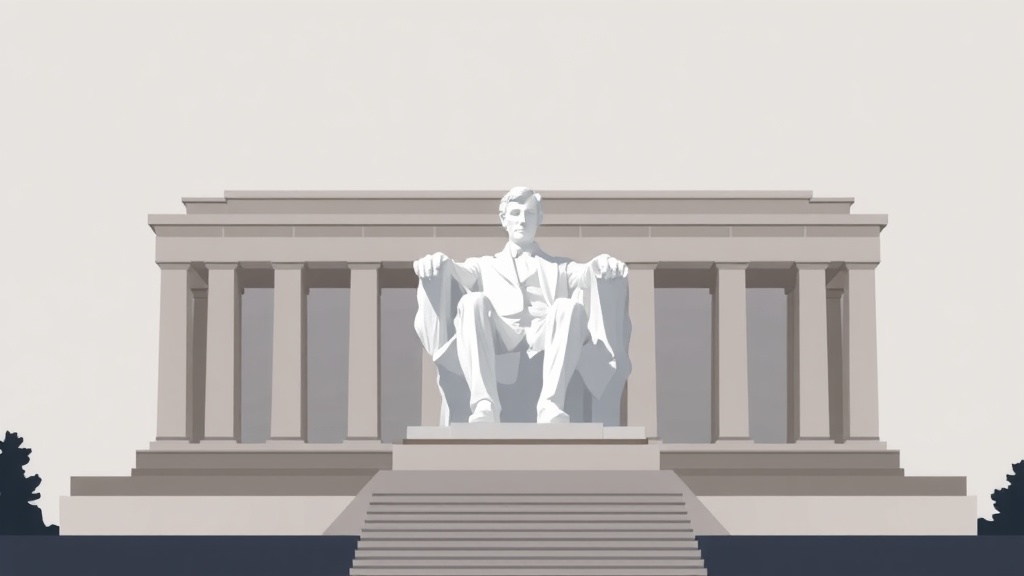
The memorial’s design channels ancient Greek temple architecture, with a peristyle of Doric columns that convey solidity and timelessness. Each column represents a state in the Union at the time of Lincoln’s death, and the classical vocabulary intentionally links the president’s ideals to the democratic traditions of antiquity. Inside, a monumental seated statue of Abraham Lincoln commands the chamber; its scale and posture encourage quiet contemplation.
The statue’s sculptor collaborated with the building’s architect to balance portraiture with architectural drama.
Inscriptions and historical resonance
Two of Lincoln’s most famous speeches are engraved on the interior walls, chosen to underscore themes of union, liberty, and reconciliation. Those inscriptions, along with an inscription invoking the nation’s dedication to the principles for which Lincoln stood, make the memorial both a work of art and a statement of civic values.
The steps and plaza in front of the memorial have served as a stage for major public gatherings and civil rights demonstrations, and the site retains deep associations with movements for justice and equality.
Setting and surroundings
The memorial faces the Reflecting Pool, creating a visual axis that links it to other landmarks across the Mall.
Nearby contemplative sites include the Vietnam Veterans Memorial and the Korean War Veterans Memorial, forming a concentrated area for remembrance. The landscaping, open sightlines, and water feature all contribute to powerful photo opportunities—sunrises and evenings are particularly atmospheric for capturing the monument’s reflection and lighting.
Visitor experience and tips
– Timing: Visit early morning or late evening to experience fewer crowds and softer light for photography. The memorial is accessible around the clock, and night lighting creates a striking atmosphere.
– Access: The site is reachable on foot from the Mall and by public transit; ramps and accessible routes serve visitors with mobility needs. National Park Service rangers often offer informal talks and can point out lesser-known details.
– What to see: Read the interior inscriptions closely; notice the frieze above the columns and the symbolic details in the statue’s drapery and stance. Walk the steps and pause on the plaza to take in the view down the Reflecting Pool toward the Washington Monument.
– Nearby stops: Combine a visit with adjacent memorials and museums to make the most of the area’s dense concentration of cultural sites.
Preservation and stewardship
Ongoing conservation work addresses natural weathering, pollution, and the effects of heavy visitation. Preservation efforts focus on protecting stone surfaces, maintaining the statue and interior inscriptions, and ensuring the site remains welcoming and meaningful for future visitors. The stewardship model emphasizes both physical maintenance and interpretive programming to keep the memorial’s messages accessible.
Why it matters
The Lincoln Memorial remains a living landmark — an architectural composition, a place of public memory, and a setting for civic expression. Whether experienced as a quiet place for reflection or as the backdrop for powerful public moments, it continues to invite visitors to consider leadership, national unity, and the ongoing work of democracy.