The Lincoln Memorial remains one of the most visited and photographed monuments on the National Mall, drawing visitors with its powerful symbolism, striking design, and role as a backdrop for major moments in American public life.
Why it matters
The memorial honors a president whose leadership during the nation’s most turbulent era reshaped ideas about union, liberty, and equality.
Its design and inscriptions—most notably two of his most famous speeches—invite quiet reflection on national values.
For many, the memorial is both a place of personal pilgrimage and a civic stage for gatherings that call attention to rights and justice.
Design and symbolism
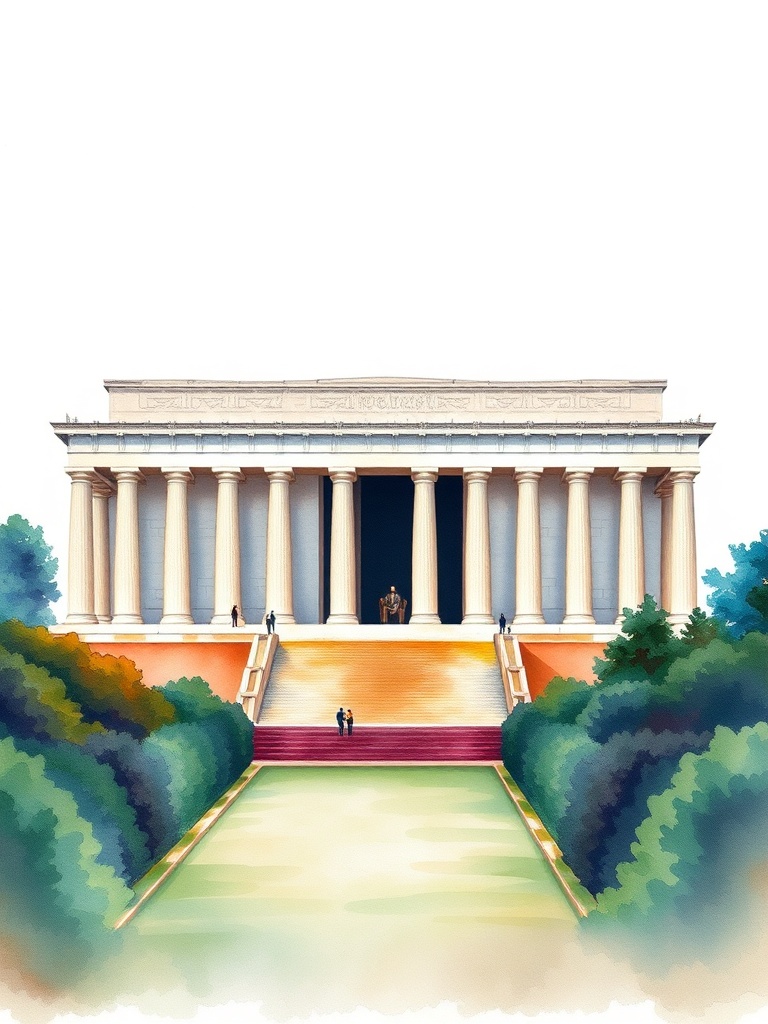
The memorial’s classical temple form is rich with symbolism. A massive seated sculpture of the president commands the chamber, framed by a colonnade that evokes ancient Greek ideals of democracy.
The number of columns represents the states in the Union at the time of his death, reinforcing themes of unity. On the interior walls, excerpts from two of his crucial addresses are carved in stone, intended to be read and contemplated by visitors standing below the statue.
Materials and craftsmanship
Quality materials and meticulous craftsmanship are part of the memorial’s enduring presence.
Sculptural detail, stonework, and the overall proportions were chosen to convey permanence and dignity. Restoration and conservation work over the years has focused on preserving marble surfaces, stabilizing stone, and maintaining the site’s visual integrity while improving visitor comfort and accessibility.
A place for dialogue and protest
The steps and plaza have served as a powerful platform for public speech and protest. Landmark demonstrations and milestone speeches have taken place here, underscoring the memorial’s dual role as both a commemorative site and an active public square. That living civic function continues, as people return to the site to voice concerns, commemorate events, and gather for shared causes.
Visitor tips
– Best times: Early morning or late evening offers softer light and fewer crowds, making it easier to take in the architecture and views across the Reflecting Pool. The site is accessible at all hours, though visitor services operate during daylight.
– Accessibility: Pathways and ramps make the memorial accessible; staff can provide assistance if needed.
– Nearby sites: The memorial sits at the west end of the National Mall, within walking distance of other iconic landmarks, museums, and the Reflecting Pool—ideal for combining multiple stops on a single walk.
– Etiquette: This is both a memorial and a public gathering place. Respectful behavior and quiet reflection are encouraged, especially inside the chamber.
Photography and events
The memorial’s lighting produces dramatic photographs at dawn and dusk. Special events are permitted but typically require coordination with park management, so plan ahead for group gatherings or media shoots.
Preservation and stewardship
Ongoing stewardship ensures that the site remains meaningful for future generations. Conservation work balances historic preservation with contemporary needs—improving accessibility, managing visitor impact, and protecting the stonework and sculpture from weathering and pollution.
Community involvement and public support remain essential to these efforts.
Whether you’re a first-time visitor or someone returning to reflect, the Lincoln Memorial continues to offer a powerful, contemplative experience—a place where architecture, history, and civic life converge.