Maximizing George Washington University’s Washington, D.C. advantage: practical strategies for internships, networking, and career growth
George Washington University sits at the heart of Washington, D.C., offering a powerful platform for students who want hands-on experience in public policy, international affairs, law, business, media, and more.
The campus location and institutional connections create opportunities that extend well beyond classroom learning — if you know how to use them.
Why location matters
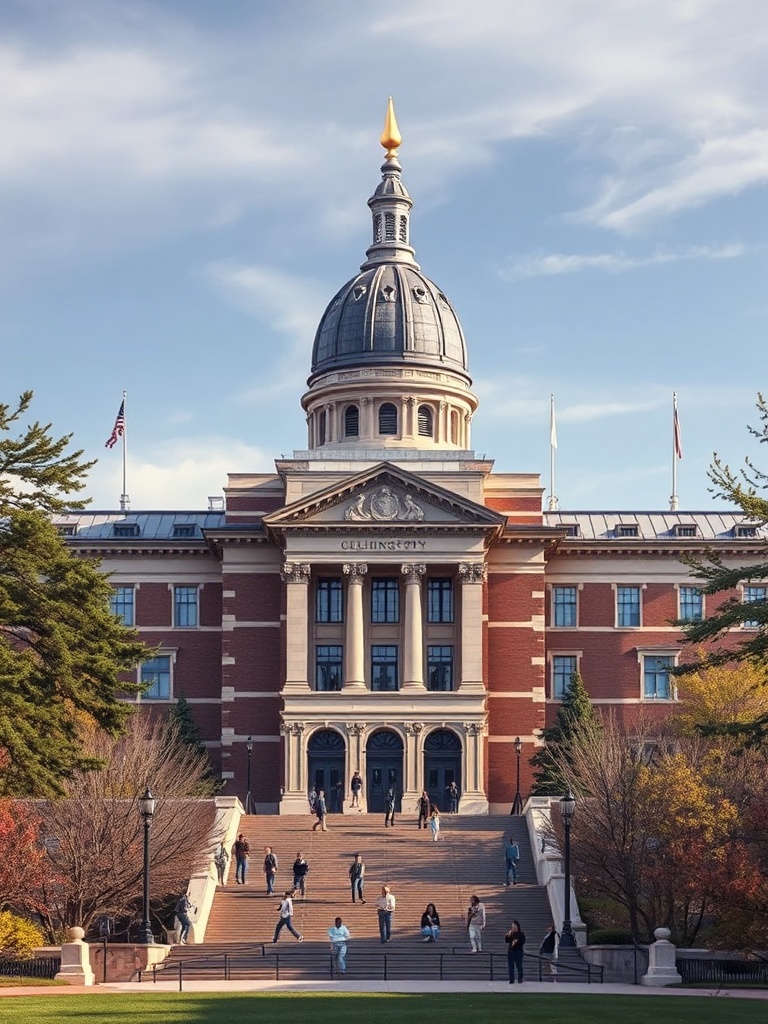
Being in the Foggy Bottom neighborhood places students minutes from government agencies, international organizations, major law firms, media outlets, and a dense ecosystem of think tanks and nonprofits. That proximity makes commuting to interviews, networking events, and short-term placements realistic alongside academic schedules.
It also means access to speakers, panels, and policy town halls that can shape a resume and a professional narrative.
Make internships meaningful
Internships are more than résumé bullets. Choose placements that build tangible skills and results you can discuss in interviews.
Prioritize roles that let you:
– Lead a project or produce a deliverable (policy memo, marketing campaign, legal research brief).
– Use tools and platforms relevant to your field (data analysis software, case management systems, media production tools).
– Receive regular feedback and mentorship.
Apply strategically: target agencies, offices, or firms whose work aligns with your career goals and where alumni or faculty have connections. Tailor each application — customize cover letters and highlight coursework, projects, or campus involvement that demonstrates fit.
Network intentionally
Networking in D.C.
is relationship-driven.
Use these approaches:
– Attend GW career fairs, speaker events, and alumni panels. Arrive prepared with a one-minute introduction and a specific ask (advice, informational interview, referral).
– Request informational interviews early and respectfully — ask how a typical day looks, what skills matter, and what next steps they’d recommend.
– Join student organizations tied to your industry and take leadership roles; organizations often host career nights with professionals who hire students.
Leverage campus resources
George Washington University offers career services, alumni networks, and specialized centers that connect students with employers and internships. Use career counseling for résumé and cover letter reviews, mock interviews, and job search strategies. Explore center-led programs tied to international affairs, entrepreneurship, health policy, or cybersecurity for curated internship pipelines and applied research opportunities.
Build a portfolio
Collect concrete evidence of your work: reports, writing samples, multimedia projects, data visualizations, or policy briefs. Publish where appropriate — campus journals, blogs, or professional platforms. Portfolios help hiring managers quickly assess your capabilities and differentiate you from other candidates.
Prepare for public-sector pathways
For government internships or roles, understand clearance or background requirements and be ready for longer processing timelines. Emphasize relevant coursework, language skills, and any international experience. For those targeting law or policy careers, practical skills like legislative research, grant writing, and public speaking are high-value.
Balance academics and experience
Coursework provides frameworks; internships provide context. Prioritize time management: use academic breaks for intensive internship experiences, and seek part-time placements during semesters that offer flexible hours or project-based commitments.
Tell your story clearly
When interviewing, frame experiences around impact: what challenge you addressed, the action you took, and the measurable result. Employers in D.C. value candidates who can translate academic knowledge into policy, legal, business, or media outcomes.
The campus-to-career pathway is active and intentional. With targeted applications, deliberate networking, and a portfolio that showcases real work, students can turn a George Washington University education and its D.C.
location into a career-launching ecosystem.