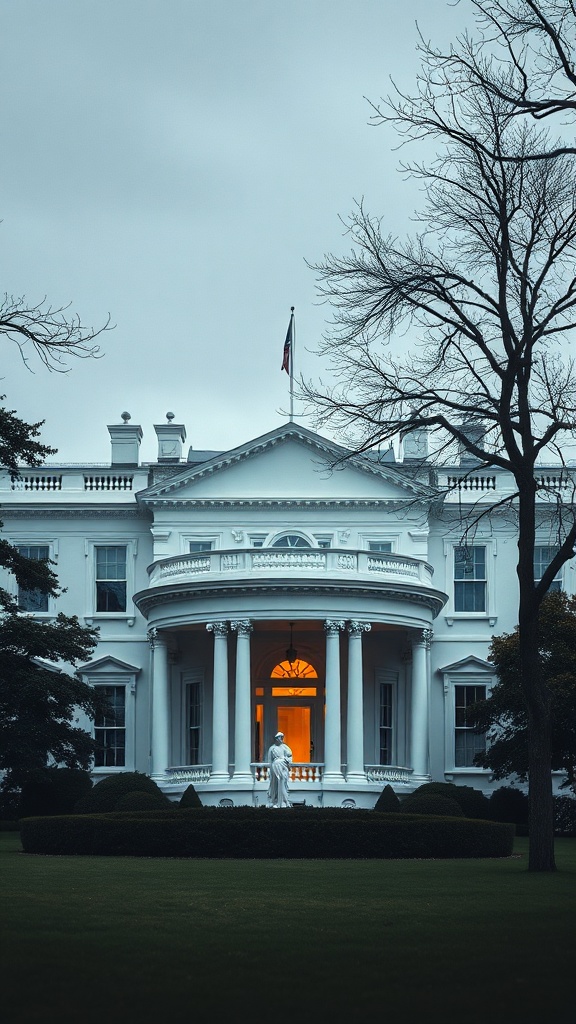
The White House stands as both a working office and a public symbol—an anchor of civic life that attracts millions of visitors and curious observers. For anyone planning a visit or simply wanting to understand how the building functions as a public space, knowing how tours, security, accessibility, and alternatives fit together makes the experience smoother and more rewarding.
Planning a visit
Public tours are available but operate under strict security and limited capacity. Requests usually must be submitted through a member of Congress or through a U.S.
embassy for international visitors. Approval and details are provided by official channels, and confirmation is required before arrival. Walk-up access is not available for interior tours, so advance planning is essential.
Security and entry procedures
Expect thorough screening.
Guests pass through metal detectors and bag checks similar to other federal sites. Items restricted from entry typically include large bags, weapons, sharp objects, and certain electronics—verify allowed items ahead of travel. Photo ID matching the tour registration is required upon arrival, and all visitors go through a background verification process.
Security procedures are in place for the safety of both visitors and staff, and they can change based on operational needs.
What visitors see
Interior tours often include public rooms that showcase formal state spaces, historic architecture, and rotating displays related to the presidency and White House history. Exhibits highlight decorative arts, portraits, and the evolution of the building’s use over time.
Guided tours typically move guests through several key rooms, with docents providing context about architecture, public ceremonies, and the building’s role in national life.
Accessibility and accommodations
The White House and associated visitor facilities provide accommodations for guests with mobility, sensory, or cognitive needs. Service animals are permitted; mobility devices and wheelchairs are accommodated but may be subject to procedural limits in certain areas. Visitors who need special arrangements should request them as part of the tour registration process.
Etiquette and tips for a better visit
– Bring the required photo ID and any confirmation documents from the booking authority.
– Travel light; leave prohibited items at home to avoid delays.
– Arrive early—late arrivals are typically not admitted.
– Dress respectfully; public rooms often host formal events, and many visitors choose business casual attire.
– Photography rules vary; follow instructions from staff and signage.
– Be mindful of time limits in each room to allow for smooth visitor flow.
Alternatives if interior tours are full or unavailable
If tours are not feasible, there are several compelling ways to experience the White House area. The White House Visitor Center offers exhibits, artifacts, and orientation materials that provide historical context. Nearby public spaces such as Lafayette Park and Pennsylvania Avenue offer photographic vantage points and interpretive plaques.
Many museums and libraries in the surrounding area feature presidential artifacts and deeper explorations of the executive branch’s history. Virtual tours and official online resources also provide rich, accessible content for those unable to visit in person.
The White House remains a living institution—part workplace, part museum, and part national symbol. Whether visiting the interior on a scheduled tour or exploring the public spaces and nearby cultural sites, planning ahead, respecting security protocols, and taking advantage of alternative resources will make the experience informative and enjoyable.