Washington, D.C.’s restaurant scene is a dynamic mix of long-standing icons, neighborhood gems, and adventurous newcomers. Whether you’re after a reliable late-night bite after a show, a celebratory tasting menu, or a casual market crawl, the city balances tradition and innovation with a clear focus on seasonality, sustainability, and diverse flavors.
Neighborhoods to Know
– Penn Quarter/Chinatown and the Wharf: Ideal for waterfront dining, seafood-forward menus, and lively bar scenes.
Expect everything from upscale tasting menus to approachable crab-forward plates that honor Chesapeake Bay flavors.
– U Street/Shaw and 14th Street: Great for eclectic dining, vibrant nightlife, and strong Ethiopian, Southern, and modern American offerings.
These corridors host both trendsetting chefs and long-running food institutions.
– Union Market and NoMa: Food halls, artisanal vendors, and communal dining define these areas. Union Market is especially popular for trying multiple small plates from different vendors in one visit.
– Georgetown and Capitol Hill: Classic DC dining lives here—historic grills, brunch destinations, and polished restaurants near cultural attractions.
– Northeast pockets (Brookland, Ivy City) and Navy Yard: Growing culinary hotspots where chef-driven projects and neighborhood-focused spots continue to show up.
Culinary Trends Shaping DC Dining
– Plant-forward menus: Many kitchens are rethinking menus around vegetables and whole-plant approaches, offering satisfying vegetarian and vegan mains that don’t feel like an afterthought.
– Natural wine and craft cocktails: Sommeliers and bartenders emphasize low-intervention wine lists and cocktails featuring house-made syrups, seasonal produce, and locally distilled spirits.
– Hyper-local sourcing: With a strong regional farming network, restaurants highlight Chesapeake Bay seafood, Mid-Atlantic produce, and regenerative farming practices.
– Multi-concept and pop-ups: Chef collaborations, rotating pop-ups, and experimental tasting evenings allow diners to try new formats without permanent restaurant commitments.
– Food halls and market-style dining: These offer a low-commitment way to sample multiple cuisines in a single outing, great for groups with varying tastes.
Practical Tips for Diners
– Reservations: Popular dining rooms and tasting menus fill up quickly.
Reserve ahead for dinner and weekends, and check cancellation policies.
– Walk-ins and happy hour: Many bars offer discounted small plates or cocktail specials—perfect for spontaneous nights out.
– Shared plates and family-style: A lot of DC spots favor communal dining, especially with cuisines like Ethiopian. Embrace sharing for the full experience.
– Price expectations: DC ranges from casual, wallet-friendly options in markets and ethnic enclaves to refined, higher-ticket tasting menus at chef-driven restaurants.
Check menus online before you go.
– Accessibility & transit: Many restaurants are transit-accessible; consider public transportation or rideshares for busy neighborhoods and after-hours outings.
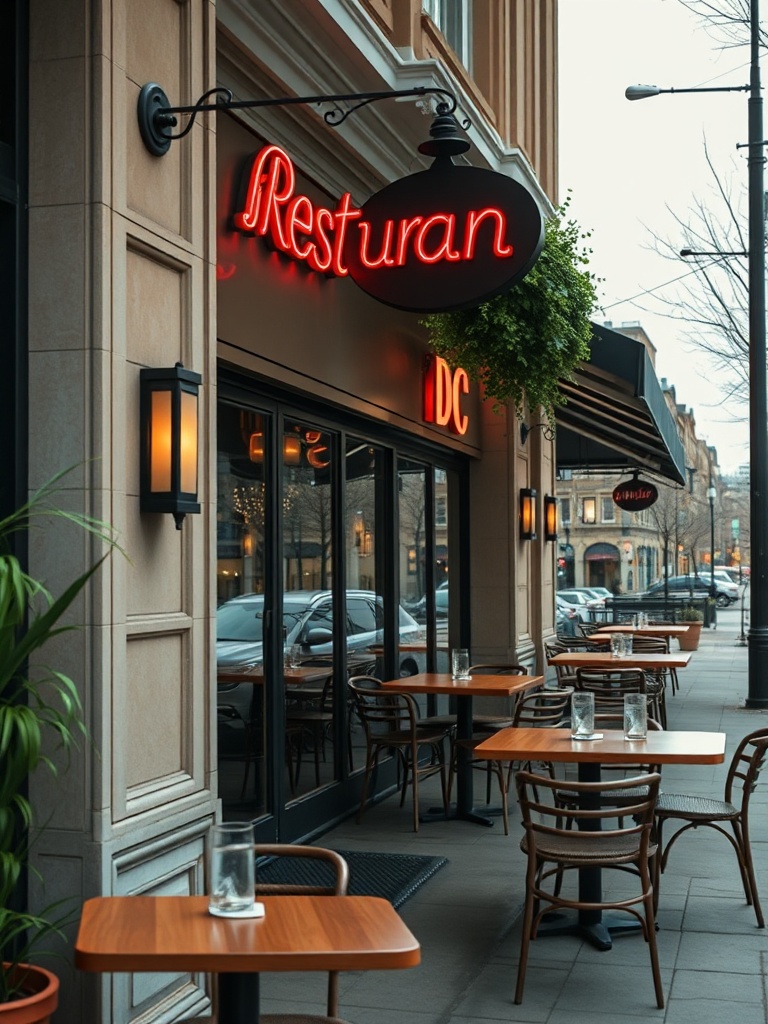
Outdoor dining and rooftop seating remain popular when weather permits.
Where to Start
For newcomers, mix a classic institution with a modern tasting room or a bustling market visit. Try a historic spot known for its local legacy, then hit a food hall to taste several contemporary vendors in one trip. Finish with a cocktail bar that features a creative, seasonal program.
D.C. dining continues to evolve, blending time-honored neighborhood flavors with inventive, sustainable approaches. Whether you plan a multi-course splurge or a casual market crawl, the city delivers variety, quality, and plenty of reasons to explore its ever-changing culinary map.