Washington DC restaurants offer a vibrant mix of tradition and innovation, where Chesapeake flavors meet global cuisines and chef-driven concepts push culinary boundaries. Whether you’re craving a classic crab cake, a communal Ethiopian dinner, or an elevated tasting menu, the city’s neighborhoods each bring distinct dining personalities worth exploring.
Neighborhoods to explore
– Penn Quarter and Capitol Hill: Ideal for pre- or post-theater dinners and seafood-forward menus. You’ll find lively oyster bars and polished American kitchens near cultural anchors.
– Georgetown: Historic streets house refined bistros, upscale waterfront spots, and cozy cafes—perfect for leisurely meals and people-watching.
– U Street and Shaw: Known for nightlife and a rich culinary scene, these neighborhoods excel at soul food, modern Southern cooking, and celebrated Ethiopian restaurants that emphasize communal dining.
– Navy Yard and The Wharf: Waterfront dining and rooftop bars dominate here, with views that make cocktails and seafood even more memorable.
– Union Market and food halls: Food halls and markets showcase rotating vendors, international street food, and inventive small plates—great for groups with varied tastes.
Culinary trends shaping DC dining
– Local sourcing and sustainability: Many kitchens prioritize locally grown produce and sustainable seafood that highlight Chesapeake Bay influences. Farm-to-table sourcing is common and often featured on menus.
– Chef-driven tasting menus: For special occasions, tasting menus and prix-fixe experiences let chefs showcase seasonal creativity. Reservations are recommended for these tight-seat formats.
– Casual fine dining and approachable luxe: The gap between casual and fine dining continues to narrow, with elevated comfort dishes served in relaxed settings.
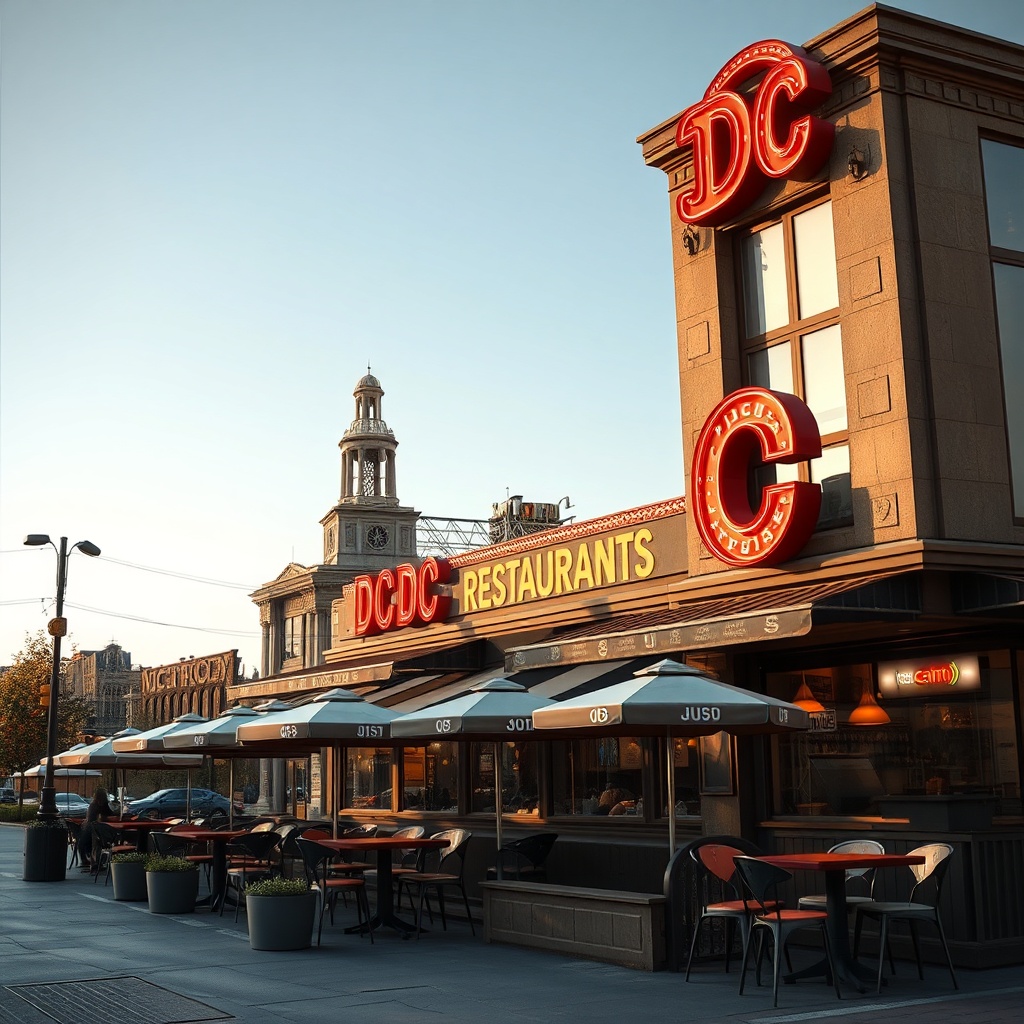
– Outdoor and rooftop dining: Patios and rooftops are staples for al fresco meals, offering scenic skyline or river views and comfortable seasonal programs.
– Food halls and small-batch concepts: Food halls have become culinary incubators—try multiple vendors to sample the city’s diversity in a single visit.
– Cocktail programs and low-intervention wine lists: Bars emphasize craft cocktails, local spirits, and curated wine lists with approachable options.
Tips for getting the most out of DC restaurants
– Book ahead: Popular spots and tasting menus fill quickly; use reservation apps or call directly. Weekends and evenings are busiest.
– Try lunch and brunch: Lunch prix-fixe menus and brunch offerings are often the best value for trying acclaimed kitchens.
– Share dishes: Many restaurants encourage sharing plates, especially within Ethiopian and small-plates concepts—perfect for groups.
– Plan transit: Historic neighborhoods may have limited parking—public transit, scooters, and ride-shares make dining more convenient.
– Mind dress and timing: Neighborhood ambiance ranges from laid-back to refined; check dress suggestions and consider off-peak hours for a quieter experience.
– Support diverse dining scenes: Explore immigrant and neighborhood-run establishments for authentic flavors and unique dining experiences.
Why locals keep returning
The city’s restaurant landscape balances high-end innovation with neighborhood comfort. Fresh, regionally inspired seafood, a strong Ethiopian presence, inventive multi-course meals, and a flourishing food hall culture create endless reasons to explore. Whether you’re a local rediscovering favorite blocks or a visitor sampling the essentials, the variety and quality of DC restaurants make dining an essential part of the city experience.
Plan a culinary route by neighborhood, leave room to wander markets and streetside stalls, and be ready to discover both well-known favorites and hidden gems that define the Washington dining scene.