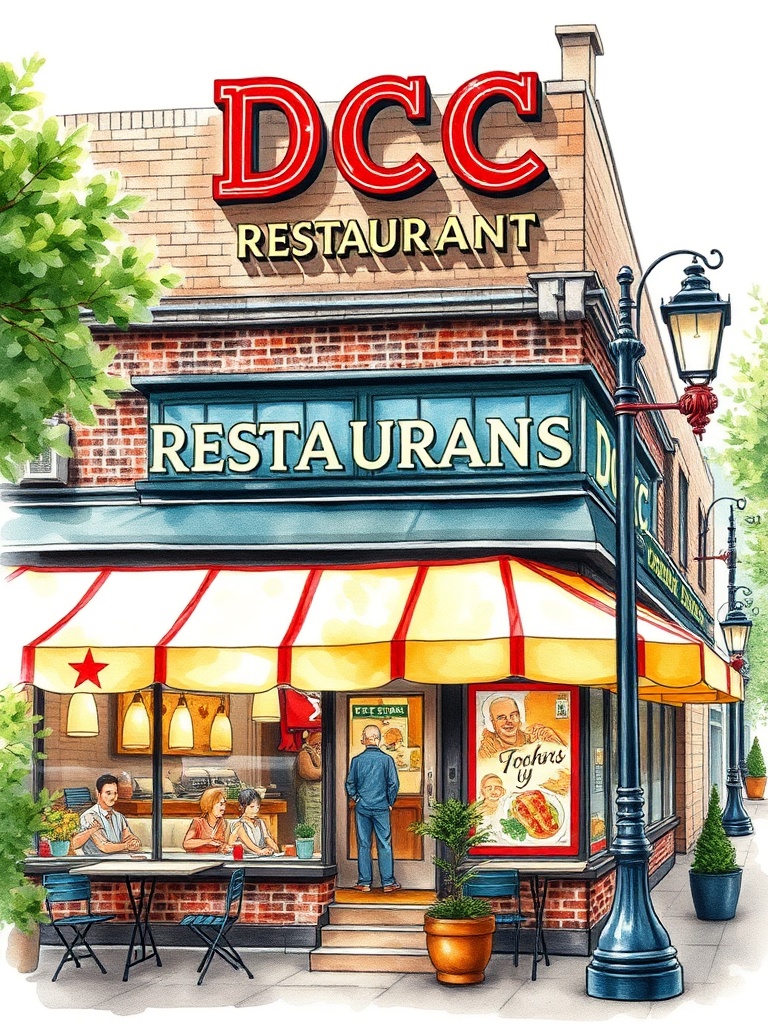
Washington, D.C. restaurants blend serious culinary craft with neighborhood character, offering everything from late-night comfort food to refined tasting menus. For visitors and locals alike, the dining scene is as much about where you eat as what you eat—historic districts, food halls, and tucked-away neighborhood spots each deliver a different experience.
What to expect
– Diverse cuisines: DC’s dining landscape reflects a global palate—Ethiopian, Southeast Asian, modern American, French brasseries, and Latin American flavors are all easy to find.
Neighborhood clusters make it simple to plan a food crawl by cuisine.
– Chef-driven and seasonal: Many kitchens emphasize local sourcing and seasonal menus. Expect menus that rotate to showcase regional produce and responsibly sourced seafood.
– Cocktail and wine culture: Craft cocktail bars and intimate wine bars abound, with bartenders focusing on seasonal ingredients, classic techniques, and inventive presentations.
– Flexible formats: From formal, multi-course tasting menus to casual neighborhood counters and bustling food halls, there’s a format for every mood and budget.
Neighborhood pick-me-ups
– Penn Quarter and downtown: Convenient for attractions and theaters, this area is a good bet for upscale brasseries, late-night spots, and restaurants that cater to theater crowds.
– U Street and Shaw: Live-music energy and a strong Ethiopian restaurant presence give these corridors a lively, multicultural vibe. Small plates and inventive cocktails are common.
– Georgetown and waterfront: Known for scenic dining, seafood, and signature brunches, Georgetown offers both historic ambiance and people-watching patios.
– Capitol Hill and Eastern Market: Fresh markets and neighborhood bistros make this area ideal for casual mornings and relaxed, ingredient-focused dinners.
– H Street NE and Union Market: For experimental kitchens, street-food-style vendors, and food hall variety, these neighborhoods deliver eclectic choices and communal dining atmospheres.
Tips for dining like a local
– Reservations and walk-ins: Popular spots often take reservations through major platforms; however, many beloved neighborhood places welcome walk-ins or operate with limited seating—arriving early can help.
– Brunch strategy: Weekend brunches are busy; consider weekday mornings or late-afternoon weekends for shorter waits. Many brunch menus include satisfying vegetarian and gluten-free options.
– Tipping and service: Standard tipping practices apply; if service is exceptional, leaving a bit more is appreciated. For questions about menu sourcing or wine pairing, servers and sommeliers are usually happy to help.
– Outdoor and rooftop dining: Patio and rooftop seating are popular when weather allows—reservations for outdoor tables can fill up quickly, especially on weekends.
Sustainability and innovation
Many kitchens prioritize sustainability through local sourcing, waste reduction, and partnerships with regional farms. Innovative concepts blend casual convenience with elevated flavors—think fast-casual spots emphasizing quality ingredients, or chef-driven counters within food halls.
Finding hidden gems
Walkable neighborhoods and evening strolls often lead to tucked-away counters, bakeries, and late-night snack joints that don’t always show up on mainstream lists. Exploring side streets and local markets can reveal memorable meals at modest prices.
Whether planning a celebratory dinner, a quick lunch between museum visits, or a multi-stop tasting adventure, DC restaurants deliver variety, quality, and a strong sense of place. Start with a neighborhood that matches the mood, be open to local recommendations, and leave room to try a dish you wouldn’t normally order—some of the city’s most memorable meals are the ones discovered by chance.