Washington, D.C.
is reshaping how it responds to climate threats, blending engineering, community action, and nature-based solutions to protect neighborhoods, parks, and the riverfront. As coastal and inland flooding and rising urban temperatures become more common, the city is rolling out strategies that reduce risk while improving public space and quality of life.
Flood resilience: more than seawalls
Flooding along the Potomac, Anacostia, and low-lying streets isn’t just a nuisance — it disrupts businesses, damages homes, and affects transit. The response combines large-scale infrastructure with localized fixes. Major sewer and stormwater upgrades reduce sewage overflows and manage heavy rainfall, while floodproofing projects — like raised sidewalks, redesigned riverfront promenades, and temporary deployable barriers — help critical corridors stay open during high water events.
Federal, regional, and local agencies are coordinating on shoreline stabilization and riverfront trail resilience to protect recreation and transit routes that boost city livability.
Nature-based solutions and cooling the city
Urban heat islands hit dense, paved neighborhoods hardest. Expanding tree canopy, installing green roofs, and creating pocket parks are cost-effective ways to cool streets, lower energy bills, and improve air quality. Community-led tree-planting nonprofits work with city programs to target canopy gaps in underserved neighborhoods, where heat and pollution risks are greatest. Permeable pavement, bioswales, and rain gardens not only reduce flooding but also help cool ambient temperatures by increasing evapotranspiration.
Practical programs for homeowners and businesses
District programs offer rebates and technical help for homeowners and businesses that adopt stormwater solutions such as rain gardens, cisterns, and permeable pavers. These incentives make it easier to implement small-scale projects that collectively yield big benefits across neighborhoods. Property owners can also explore green roof grants, energy-efficiency retrofits, and guidance on elevating utilities and appliances to reduce flood damage inside buildings.
Community resilience hubs and preparedness
Resilience planning recognizes that infrastructure alone isn’t enough. Neighborhood resilience hubs — community centers equipped to provide cooling during heat waves or support after storms — are being prioritized in areas with limited resources. Local organizations lead outreach and training so residents can prepare emergency plans, protect important documents, and access resources when weather disrupts services. Getting flood insurance, maintaining gutters and sump pumps, and signing up for city alert systems are simple, immediate steps residents can take.
Public space as resilient infrastructure
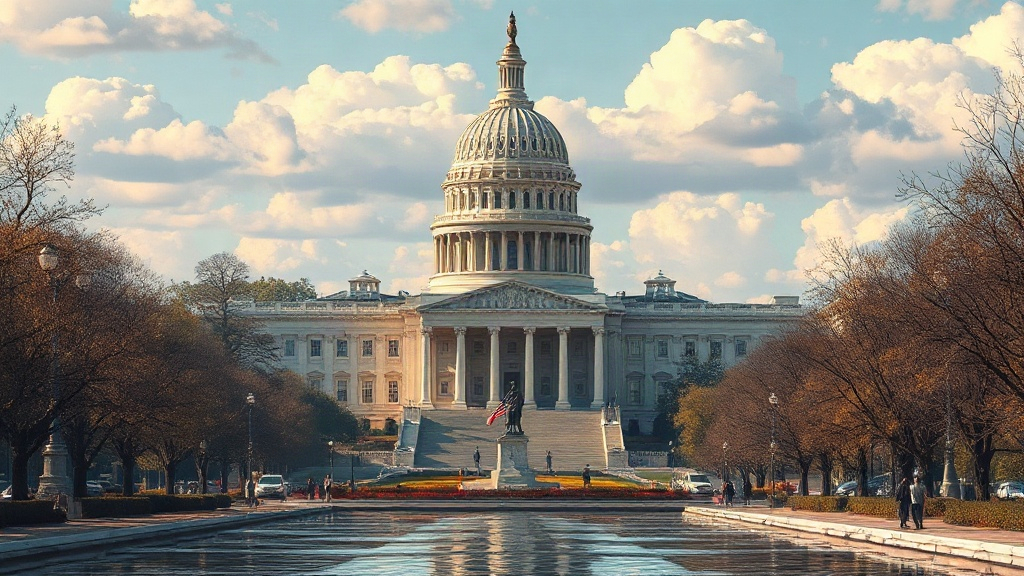
Projects that redesign waterfronts and streets are doubling as resilience upgrades and public amenities.
Reimagined parklands, elevated promenades, and adaptive plazas provide flood absorption and recreation, making neighborhoods more attractive and safer.
Investments in transit resilience — like improving drainage for metro and bus corridors — protect daily mobility and reduce economic disruption after extreme events.
Opportunities and continued action
Resilience work opens up green job opportunities in landscaping, construction, and environmental services. Grants, public-private partnerships, and federal funding streams are helping the city accelerate projects and ensure equitable benefits across wards.
Takeaway for residents
Residents can help by applying for local rebates, planting trees where permitted, installing rain-friendly landscaping, and participating in neighborhood preparedness programs. Staying informed through city communications and local community groups helps ensure individuals and neighborhoods are ready when extreme weather strikes.
Washington, D.C.’s approach blends engineering, nature, and community to turn climate risk into opportunities for healthier, more equitable neighborhoods — creating a safer, cooler, and more vibrant city for everyone.