Visiting Washington, D.C.: Smart Tips for First-Time Travelers
Washington, D.C. blends monumental history, world-class museums, and lively neighborhoods into a walkable, transit-friendly city.
Whether you’re drawn to the National Mall or the hidden gems in surrounding wards, a little planning makes the experience smoother and more enjoyable.
Plan around the National Mall and Smithsonian museums
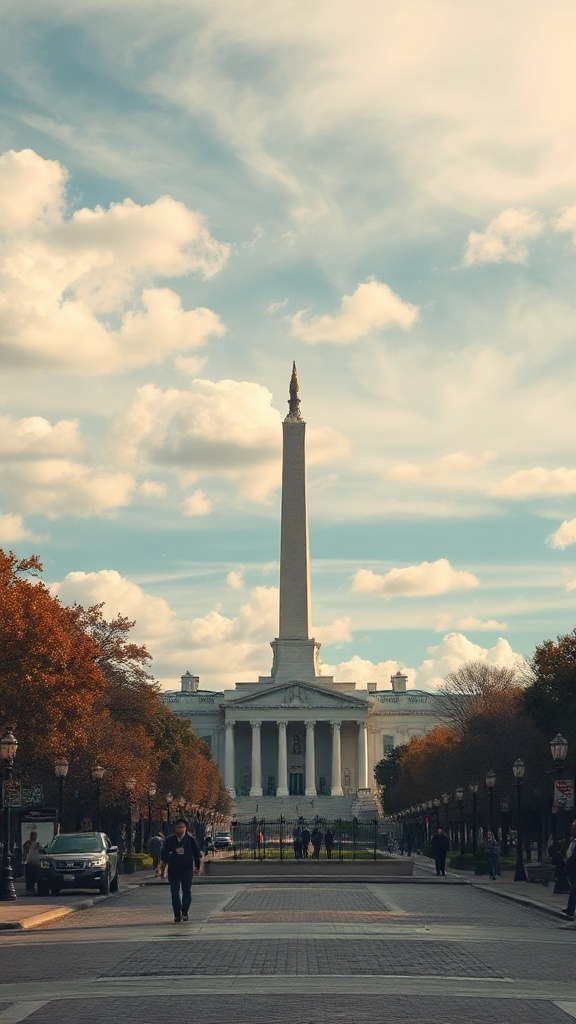
The National Mall is the heart of the city: iconic memorials, broad green spaces, and a cluster of Smithsonian museums that offer free admission. Popular stops include the art galleries, air and space exhibits, and cultural museums.
Expect security screening at entrances and occasional timed-entry requirements for special exhibitions, so check museum websites before you go. Early mornings and weekday afternoons are generally less crowded.
Getting around: Metro, bikes, and walking
Washington’s Metro connects most major sights; pick up a SmarTrip card for easy access and to avoid paper fare lines.
Be mindful of peak commute hours when trains and escalators can be busy. Capital Bikeshare provides an excellent way to cover shorter distances and explore neighborhoods at a relaxed pace, and rideshare or scooters are widely available for late-night returns.
Neighborhoods worth exploring
Beyond the monuments, D.C.’s neighborhoods offer distinct personalities:
– Georgetown: Historic streets, waterfront dining, and boutique shopping. Note that public transit access is limited in some parts, so plan for a short bus or bike ride.
– Dupont Circle: A lively mix of cafés, bookstores, and nightlife, ideal for an evening stroll or brunch.
– U Street and Shaw: A cultural hub with live music venues, great restaurants, and a vibrant history tied to the city’s music scene.
– Capitol Hill and Eastern Market: Classic rowhouses, a bustling market, and proximity to congressional landmarks.
Safety and practical tips
D.C.
is generally safe for visitors who use common-sense precautions. Keep personal items secure, avoid poorly lit areas late at night, and stay aware of your surroundings on crowded transit.
Many major attractions have bag policies—large backpacks and coolers may be restricted—so travel light when touring museums and memorials.
Accessibility and family-friendly features
Most museums and monuments offer accessible entrances, elevators, and wheelchair loan programs; detailed access information is available on official museum sites.
Children and teenagers will enjoy interactive exhibits at several Smithsonian locations, outdoor space on the Mall for running around, and family-oriented tours that make history engaging.
Seasonal considerations and packing
D.C.
experiences hot, humid summers and cool winters with variable precipitation. Pack layers and comfortable walking shoes.
During spring and fall, weather can change quickly, so bring a light jacket and an umbrella just in case. If you plan to visit during peak tourist periods or special events, expect larger crowds and adjust your schedule accordingly.
Save money and time
Many top museums are free, which helps keep the trip affordable. For paid attractions, reserve timed tickets online to reduce waiting. Using public transit and walking will save parking fees and help you experience the city’s neighborhoods more organically.
Washington, D.C.
rewards curious visitors: plan a mix of landmark sightseeing and neighborhood exploration, use public transit to maximize time, and be prepared for weather and crowd variations.
With a flexible itinerary and a few practical steps, you can enjoy a rich, memorable visit.