Washington DC’s restaurant scene blends civic gravitas with surprising culinary creativity. From casual counters to reservation-only tasting menus, the city offers a range of dining experiences shaped by diverse neighborhoods, Chesapeake ingredients, and a strong push toward sustainability.
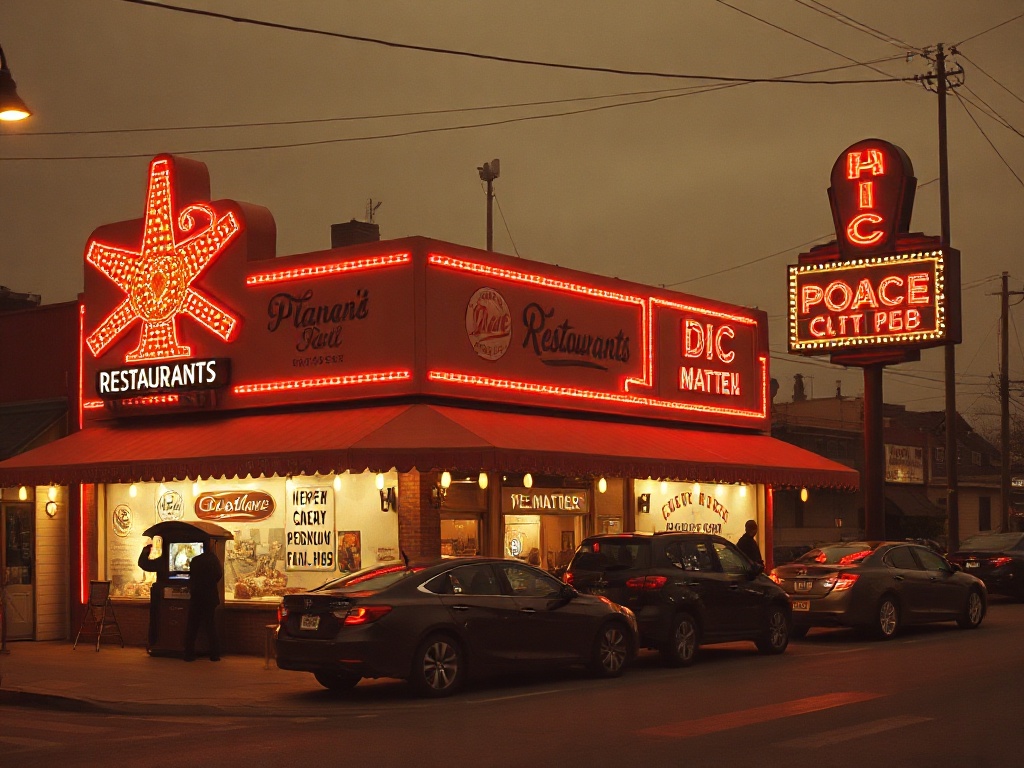
Neighborhoods to know
– Wharf and Navy Yard: Waterfront dining and vibrant bars make these areas ideal for date nights and group outings. Outdoor seating and late-night options are common.
– Union Market and City Market at O: Food halls and markets showcase small vendors, pop-ups, and chef-driven stalls—perfect for sampling multiple cuisines in one visit.
– U Street and Shaw: Historic corridors now host inventive soul food, New American, and contemporary small plates alongside lively nightlife.
– Georgetown: Expect polished dining and riverside views, though many locals point to newer neighborhoods for trendier fare.
– Adams Morgan and H Street: Eclectic, less formal scenes with plentiful international restaurants and late-night bites.
What to expect on the plate
Chesapeake seafood influences menus across the city—think oysters, crab cakes, and seasonal fish—but DC is also a melting pot of global flavors. Ethiopian cuisine has a strong presence, offering communal dining with injera and stews. Seasonal, vegetable-forward plates are prevalent as chefs focus on local farms and sustainable seafood sourcing. Tasting menus and prix fixe options are popular at higher-end spots, while food halls and counter-service joints deliver fast, flavorful meals at lower price points.
Practical tips for diners
– Reservations: Use reservation platforms or call directly—popular spots can book fast, especially for weekend evenings. Many kitchens offer limited-time pop-ups or chef’s counters that require advance planning.
– Payment and policies: Many restaurants moved to mostly card-based payments and may enforce strict cancellation or no-show fees. Check policies before booking.
– Accessibility and transit: Metro and rideshares make most districts easy to reach; however, parking can be scarce in busy areas. If mobility accommodations are needed, call in advance to confirm accessibility.
– Tipping and service: Standard tipping practices apply; for large groups, automatic gratuities may be added. For exceptional service, a bit extra is always appreciated.
– Dietary needs: Vegan, vegetarian, and gluten-free options are widely available.
If you have strict allergies, alert staff when booking.
Trends shaping the scene
Sustainability is front and center—restaurants increasingly source from regional farms, reduce waste, and highlight traceable seafood. Tech adoption continues to change the guest experience: digital menus, contactless payment, and reservation management tools help streamline service. Pop-up dinners, chef collaborations, and rotating menus keep the culinary calendar fresh and encourage diners to explore beyond staple lists.
Finding the vibe you want
If you crave a refined, multi-course experience, seek out chef-driven tasting menus and contemporary fine-dining rooms. For a lively group outing, food halls and neighborhood taverns offer variety and convivial atmospheres. Those who love to discover new talent should look for temporary residency programs, supper clubs, and market stalls where emerging chefs often experiment.
Whether you’re a visitor or a local, DC’s restaurant landscape rewards curiosity. Explore different neighborhoods, follow local food writers and hospitality newsletters for insider drops, and be ready to try a new flavor—or a chef’s surprise menu—every time you dine out.