Georgetown University: A Hub for Public Policy, Research, and Urban Student Life
Nestled in the heart of Washington, D.C., Georgetown University combines a historic campus vibe with fast-paced access to the centers of policy, law, and global diplomacy. For students and visitors alike, the university’s strengths lie in its ability to bridge academic rigor with real-world impact—especially across public policy, international affairs, business, and law.
Why Georgetown stands out
Georgetown’s location gives students unique proximity to federal agencies, think tanks, embassies, and multinational organizations.
This translates into abundant internship and networking opportunities that complement classroom learning. Career services and school-specific employer relationships help students turn those local connections into meaningful early-career experience across public service, advocacy, finance, and consulting.
A focus on public policy and global affairs
The university’s schools and research centers are widely recognized for policy-relevant scholarship. Programs emphasize interdisciplinary approaches—combining political science, economics, law, and data analysis—to prepare graduates for roles in government and international organizations. Centers that concentrate on diplomacy, human rights, and conflict resolution serve as convening spaces where practitioners and scholars collaborate on timely global challenges.
Sustainability and campus stewardship
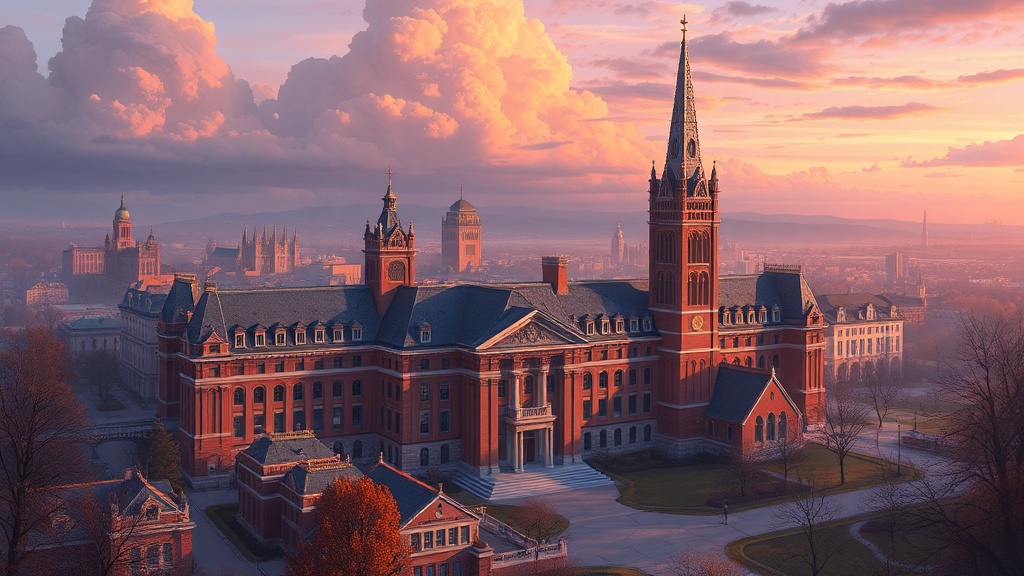
Sustainability is a growing priority across the university community.
Efforts include energy-efficiency upgrades in historic buildings, investments in renewable energy procurement, and campus-wide initiatives to reduce waste and promote sustainable transportation. These actions are complemented by curricular offerings and student-led projects that make sustainability both a practical and intellectual focus for undergraduates and graduate students.
Student life and the Georgetown neighborhood
Student life blends tradition with urban convenience.
On-campus activities—from cultural centers to student-run media and community service programs—create a tight-knit campus culture. At the same time, Georgetown’s position near neighborhoods and the city’s political corridor gives students easy access to museums, performing arts, and volunteer opportunities.
The social identity of “Hoyas” remains a strong thread, celebrated through athletics, performing arts, and longstanding campus traditions.
Entrepreneurship and professional preparation
Business and entrepreneurship programs emphasize experiential learning. Incubators, mentorship networks, and school-based consulting projects help student ventures move from concept to pilot. Professional schools prioritize applied projects and partnerships with industry leaders, allowing students to graduate with portfolios of work relevant to employers.
Research impact and public engagement
Faculty research often addresses pressing societal issues—health policy, climate resilience, urban inequality, and technology governance. The university frequently hosts public lectures, policy forums, and workshops that invite local and international stakeholders, creating pathways for research to influence public debate and decision-making.
Tips for prospective students
– Leverage the D.C. ecosystem: plan visits to relevant agencies or organizations that align with your academic interests.
– Get involved early: join student organizations or research labs to build practical skills.
– Use career resources: tap alumni networks and school career offices for internships and mentorship.
– Explore cross-disciplinary options: combine area studies, quantitative methods, or languages with your major to expand career flexibility.
Georgetown’s blend of rigorous academics, strategic location, and community engagement makes it a compelling choice for students seeking to combine scholarship with real-world influence. Whether your interest is diplomacy, public policy, business, or the arts, the university offers pathways to learn, connect, and lead.