Washington DC travel guide: How to experience the city like a local
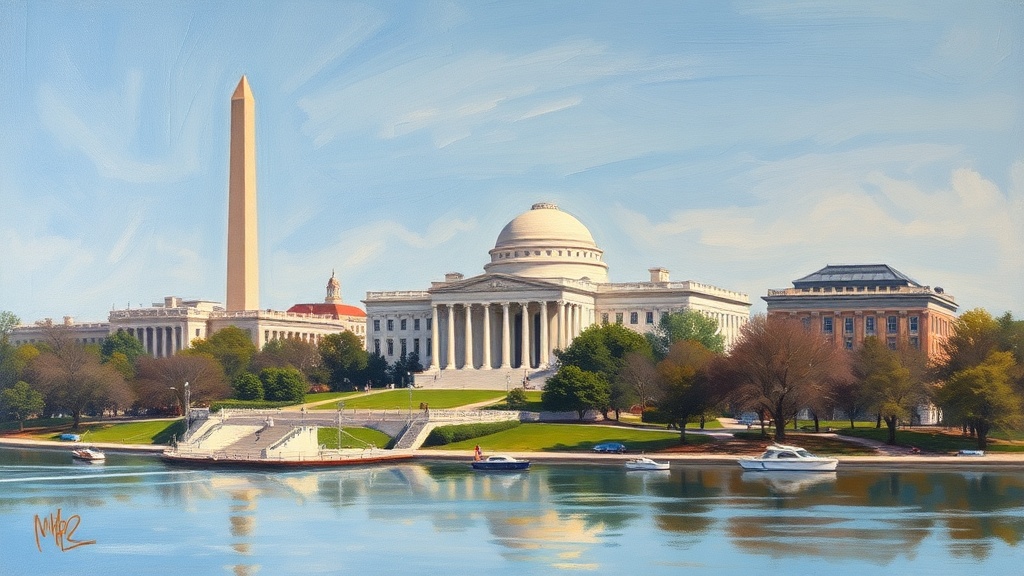
Washington DC blends world-class museums, vibrant neighborhoods, and iconic landmarks into a compact, walkable city.
Whether you’re here for a few days or settling in longer, these practical tips and neighborhood highlights will help you make the most of your time.
Getting around
The Metro (Metrorail) and Metrobus form the backbone of public transit; a reloadable transit card or contactless payment makes hopping on and off simple. For short trips between popular areas, the DC Circulator offers frequent, low-cost routes. Bike-share systems and dedicated bike lanes make cycling a fast, healthy option, and many central neighborhoods are easily walkable — the National Mall, for example, is best explored on foot.
Must-see cultural destinations
Smithsonian museums line the National Mall and are free to enter, offering endless options for art, history, and science lovers.
The National Gallery of Art and the National Archives house world-renowned collections and documents. For a deeper look at contemporary culture, venues like the Kennedy Center and numerous independent theaters present performing arts ranging from orchestral performances to intimate plays. Remember that some special exhibitions or popular museums may require timed-entry tickets, so check ahead.
Neighborhoods to explore
– Georgetown: Cobblestone streets, upscale shops, waterfront dining, and scenic canal paths make this a favorite for strolling and people-watching.
– Dupont Circle & 17th Street: A hub for bookstores, cafés, and nightlife with a lively dining scene and several embassies that add international flair.
– U Street & Shaw: Known for live music, historic jazz clubs, and a strong restaurant scene that includes celebrated Ethiopian and Southern-inspired eateries.
– Capitol Hill & Eastern Market: Combine striking architecture with a bustling market atmosphere — great for food, crafts, and leisurely mornings.
– Navy Yard & The Wharf: Waterfront redevelopment brought contemporary dining, parks, and entertainment venues; ideal for evening outings and riverfront walks.
Food and drink
DC’s food scene reflects its diversity.
Look for Ethiopian restaurants concentrated around U Street and 14th Street, enjoy seafood by the waterfront, and don’t miss local icons like the city’s famous half-smoke sausage at classic counter-service spots. A neighborhood food tour is a practical way to sample local flavors while learning about the city’s culinary evolution.
Outdoor spaces and active pursuits
Beyond the National Mall, city parks and riverside trails offer running, kayaking, and casual picnicking. Neighborhood green spaces such as Meridian Hill Park and Rock Creek Park provide quick escapes from urban bustle.
Seasonal outdoor markets and pop-up events are common — check local calendars for farmers markets and outdoor concerts.
Practical tips
– Check attraction websites for reservation policies and updated hours.
– Plan for security screenings at major museums and memorials, especially during peak visitation times.
– Dress in comfortable layers and comfortable shoes — the city involves a fair amount of walking between sites.
– Consider weekday mornings for popular sights to avoid the largest crowds.
Washington DC rewards curious visitors with a mix of monumental history and evolving contemporary culture. With easy transit, walkable neighborhoods, and a lively food and arts scene, it’s a city that invites repeated discovery.