Washington, DC blends iconic national landmarks with lively neighborhoods, a thriving food scene, and surprisingly abundant green space.
Whether you’re a first-time visitor or a local rediscovering the city, DC offers a balance of history, culture, and everyday neighborhood life that rewards exploration beyond the National Mall.
What to see and do
Start where most people do: the National Mall.
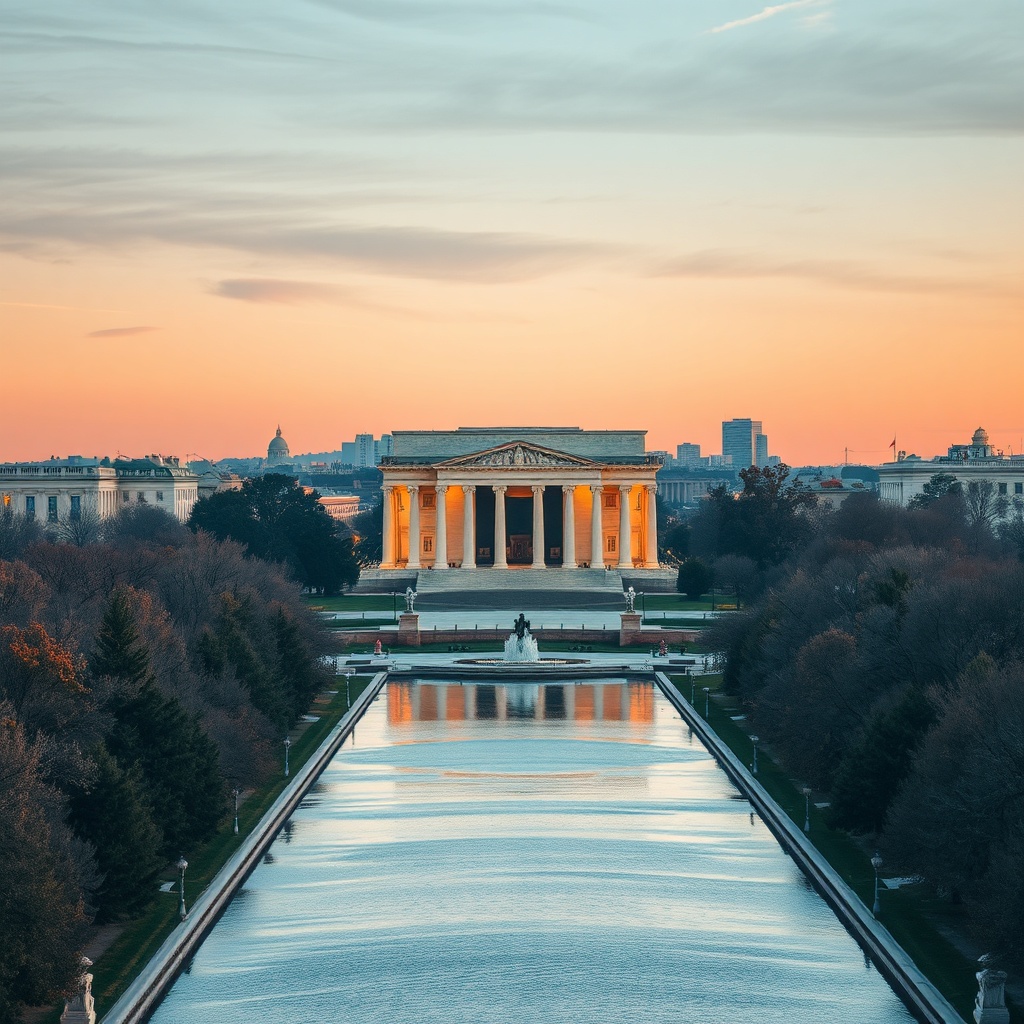
The stretches of memorials and museums form a compact, walkable corridor anchored by the Lincoln Memorial, Washington Monument, and the reflective pools that frame them. Smithsonian museums line the Mall and adjacent neighborhoods, with free admission to many collections—perfect for museum lovers or families seeking flexible plans.
Beyond the Mall, don’t miss the Capitol and the nearby Library of Congress and Supreme Court, whose architecture and public programming add civic depth to any visit.
For sweeping city views, seek rooftop bars and viewpoints along the Potomac; sunrise and sunset cast a special light across the monuments.
Neighborhoods to explore
DC’s neighborhoods each offer distinct personalities.
Georgetown charms with cobblestone streets, boutique shops, and waterfront paths.
U Street is the heart of the music and nightlife scene, rich in jazz history and late-night eateries.
Adams Morgan provides a multicultural food corridor, while H Street NE and the Atlas District offer vibrant bars, performance spaces, and street art.
For a modern waterfront experience, The Wharf and Navy Yard feature dining, concerts, and riverfront promenades.
Food and markets
The city’s culinary landscape is diverse and dynamic. Find classic DC dining alongside regional specialties and international fare—Ethiopian cuisine has a particularly strong presence. Food halls and markets such as Union Market and Eastern Market showcase local vendors, seasonal produce, and chef-driven stalls; they’re great for sampling a range of flavors in one stop. Look for pop-up dinners and outdoor dining that frequently appear across neighborhoods.
Outdoors and recreation
Green spaces are surprisingly plentiful. Rock Creek Park provides miles of trails for hiking and mountain biking, while the Potomac and Anacostia rivers offer kayaking, paddleboarding, and scenic runs. Parks and gardens, from the lakeside paths to community pocket parks, make the city feel open even during busy tourist seasons.
Bike lanes and riverfront trails encourage two-wheeled exploration—rentals and city bike-share systems make it easy to get around.
Getting around
Public transit is efficient for most tourist routes. Metro rail and bus lines connect major attractions; DC’s bus-based Circulator offers low-cost, predictable service through popular corridors. Ride-hailing, scooters, and bike-share are widely available for short hops or last-mile travel. Walking remains one of the best ways to discover hidden shops, murals, and neighborhood cafés.
Practical tips
– Plan ahead for popular attractions and special exhibitions, and expect security screening at major sites.
– Many museums are free, but special exhibits may require timed-entry tickets—booking in advance helps avoid lines.
– Wear comfortable shoes for walking the Mall and neighborhoods; distances can be longer than they appear on a map.
– Check neighborhood calendars for festivals, outdoor concerts, and night markets—these often highlight local culture and food.
Why visit
Washington, DC pairs the grandeur of national institutions with the everyday vibrancy of neighborhood life. Whether you’re tracing American history, sampling global cuisines, or enjoying riverside recreation, the city rewards curiosity with layered experiences that go beyond the guidebook.
Explore widely and let unexpected streets and small venues become the most memorable parts of the trip.