Washington DC is often associated with iconic monuments and government buildings, but the city’s vibrancy extends far beyond the National Mall. Whether you’re planning a short visit or looking to explore like a local, current favorites combine world-class museums, evolving neighborhoods, lively food scenes, and expanding green spaces.
Must-see essentials
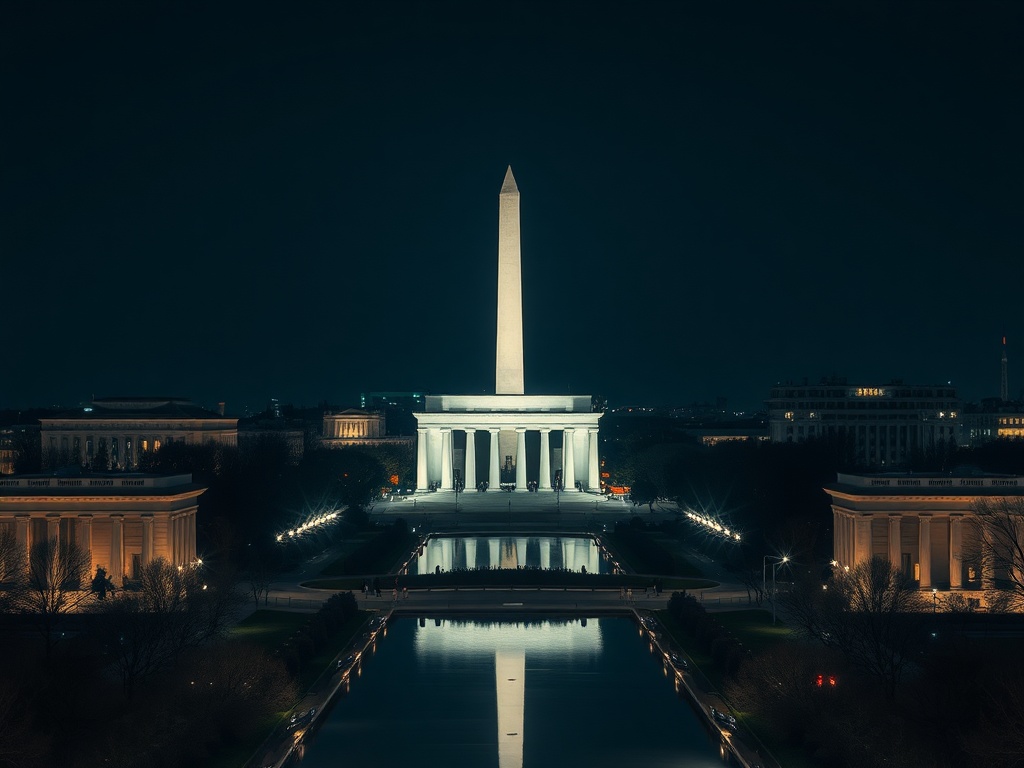
Start at the National Mall for the must-see monuments and memorials. The Smithsonian museums along the Mall offer free admission and can easily fill a day—pick one or two to avoid museum fatigue. Nearby, the U.S. Capitol and Supreme Court grounds provide striking architecture and photo opportunities. For a slower pace, the Tidal Basin offers scenic walks and seasonal blossoms that draw crowds for good reason.
Neighborhoods worth exploring
– Georgetown: Historic cobblestone streets, waterfront dining, and boutique shopping make this neighborhood ideal for strolling. The C&O Canal towpath is perfect for a relaxed walk or bike ride.
– U Street & Shaw: Known for jazz heritage, nightlife, and a packed dining scene, these areas blend historic venues with modern restaurants and bars.
– Navy Yard & The Wharf: Waterfront development brought lively parks, concert venues, seafood restaurants, and family-friendly promenades.
Yards Park is a popular spot for outdoor events and water features.
– Adams Morgan & H Street Corridor: Both neighborhoods showcase eclectic dining, late-night spots, and community-focused events that reflect the city’s cultural diversity.
– Capitol Hill & Eastern Market: Combine historic rowhouses with a bustling indoor market offering local produce, artisans, and weekend vendors.
Dining and markets
DC’s food scene mixes political power lunches with a thriving street-food and international cuisine culture. Food halls and markets have become go-to destinations for sampling small plates across numerous vendors—ideal for groups with diverse tastes. Look for neighborhood bakeries, coffee shops with local roasts, and restaurants that spotlight farm-to-table ingredients. Reservations are recommended for popular spots, especially on weekends and evenings.
Getting around
Public transit is efficient for many itineraries. The subway system reaches most tourist hubs; buses and the local circulator can fill in shorter hops. Bike-share and e-scooters offer flexible last-mile options and are widely used for short trips on bike lanes and trails. Walking remains one of the best ways to experience DC’s compact downtown and historic districts—comfortable shoes and a weather-aware jacket go a long way.
Parks, trails, and outdoor activities
Green spaces are integral to city life. Rock Creek Park provides miles of trails, picnic areas, and a nature escape within city limits. The Anacostia Riverwalk Trail and waterfront parks invite biking, kayaking, and relaxed strolls. Seasonal outdoor events, from concerts to farmers markets, keep the calendar lively.
Practical tips
– Many museums are free, but special exhibitions may require tickets.
– Security checkpoints are common around major attractions—plan extra time.
– Weekday mornings and late afternoons tend to be less crowded at popular sites.
– Public transit apps and local event listings help optimize routes and timing.
Washington DC rewards visitors who balance landmark sightseeing with neighborhood discoveries. Venture beyond the monuments to discover parks, markets, and local flavors that define the city’s dynamic character.