Explore Washington, D.C.’s Outdoor Memorials and Museums: A Local’s Guide
Washington, D.C.
is often experienced through its iconic monuments and world-class museums, but getting the most from a visit means balancing the big sights with quieter corners, smart timing, and easy transit choices. This guide focuses on making outdoor exploration around the National Mall and nearby parks smooth, meaningful, and memorable.
Start with a plan, not a race
The Mall is compact but packed: from the Capitol to the Lincoln Memorial, each stop deserves time.
Prioritize what matters most — history, architecture, or reflection — and group nearby sites to avoid backtracking.
Early mornings offer softer light, cooler temperatures, and smaller crowds, while late afternoons reward with dramatic skies and quieter plazas.
Must-see outdoor memorials
The Lincoln Memorial and Reflecting Pool remain powerful for their scale and views. Nearby, the Vietnam Veterans and Korean War Veterans memorials offer intimate, contemplative designs. The World War II Memorial’s fountains and plaques provide a broad historical sweep, and smaller sites like the Martin Luther King Jr. Memorial blend landscape and message. For a different perspective, walk the Tidal Basin loop to see scenic vistas and seasonal blooms.
Museums that extend outdoors
Many Smithsonian museums open directly onto outdoor green spaces or have sculpture gardens worth a detour. The Hirshhorn’s sculpture garden and the National Gallery’s outdoor installations invite pause between galleries.
Across the river, the Sculpture Garden at the National Arboretum and the gardens at the museum campuses provide peaceful alternatives to indoor crowds.
Transit, walking, and micro-mobility
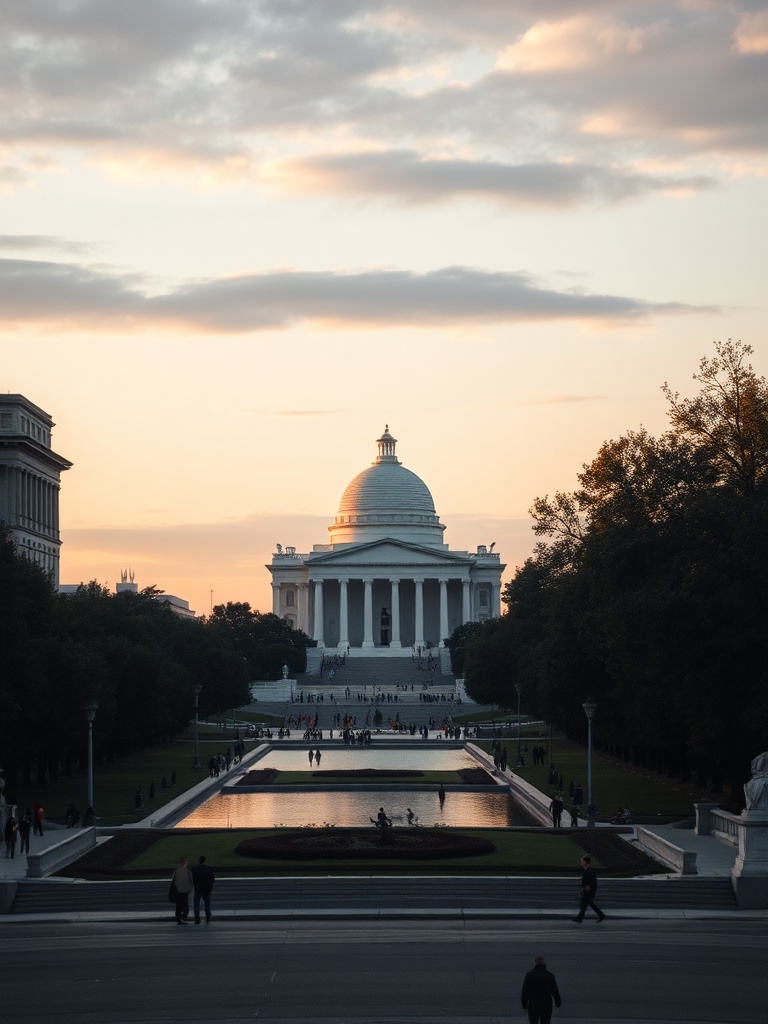
Walking is the easiest way to connect many of these sites, but transit and bike options expand your range. The Metro and city buses serve the core, while bike-share networks and rentable scooters make short hops effortless. Allow time for station exits and crowds, and factor in short walks between stops. Comfortable shoes and a reusable water bottle are essentials; many public refill stations are available around museum campuses.
Accessibility and comfort
Paths around the Mall are generally flat and wheelchair-friendly, with accessible restrooms and ramps at major memorials.
If mobility is a concern, plan routes that minimize long stairs or steep hills and consult official visitor resources for the latest accessibility details. Weather can change quickly, so layer clothing and bring sunscreen or a light rain layer depending on conditions.
Seasonal experiences and quieter finds
Seasonal events and plantings can transform familiar sites: blossoms, autumn foliage, and summer programming all add local color.
To avoid peak crowds, explore lesser-known outdoor spots like the grounds of lesser-visited museums, the arboretum’s winding trails, or waterfront parks along the Potomac. These areas often provide the same historical context without the rush.
Respectful visiting
Many memorials serve as places of reflection. Keep noise low, follow posted rules, and treat memorial engravings and sculptures with care. Photography is welcome in most outdoor areas, but large tripods or professional setups may require permits.
Make your visit meaningful
Pair outdoor visits with a museum or neighborhood meal to balance activity and rest. Whether you’re tracing history along the Mall, discovering quiet sculptures, or enjoying seasonal blooms, a thoughtful pace and a flexible plan turn a checklist into a memorable experience. Start early, walk deliberately, and leave room to linger.