Lincoln Memorial: architecture, symbolism, and how to make the most of your visit
A powerhouse of American symbolism, the Lincoln Memorial sits at the west end of the National Mall and continues to draw visitors for reflection, photos, and civic gatherings. Its grand neoclassical design, iconic seated statue, and inscriptions of two of Lincoln’s most famous speeches create a deliberate experience of contemplation and national identity.
What to see inside and out
– The central statue of Abraham Lincoln is monumental in scale and designed to convey dignity and solemnity. The sculptor’s attention to facial detail and posture invites visitors to pause and reflect.
– Two long inscriptions inside the chamber present the Gettysburg Address and the Second Inaugural Address. Their plain, powerful wording anchors the memorial’s message about unity and liberty.
– The exterior features a colonnade with 36 columns, each symbolizing a state at the time of Lincoln’s death. The stepped platform and elevated position give sweeping views across the Reflecting Pool toward the Washington Monument, making the approach as meaningful as the interior.
– The surrounding landscape has been intentionally arranged to frame the memorial as a place for public ceremony and private thought.
Nearby memorials add layers of historical context, so allow time to explore the area.
Why it remains relevant
The memorial has long been a backdrop for pivotal moments in civic life.
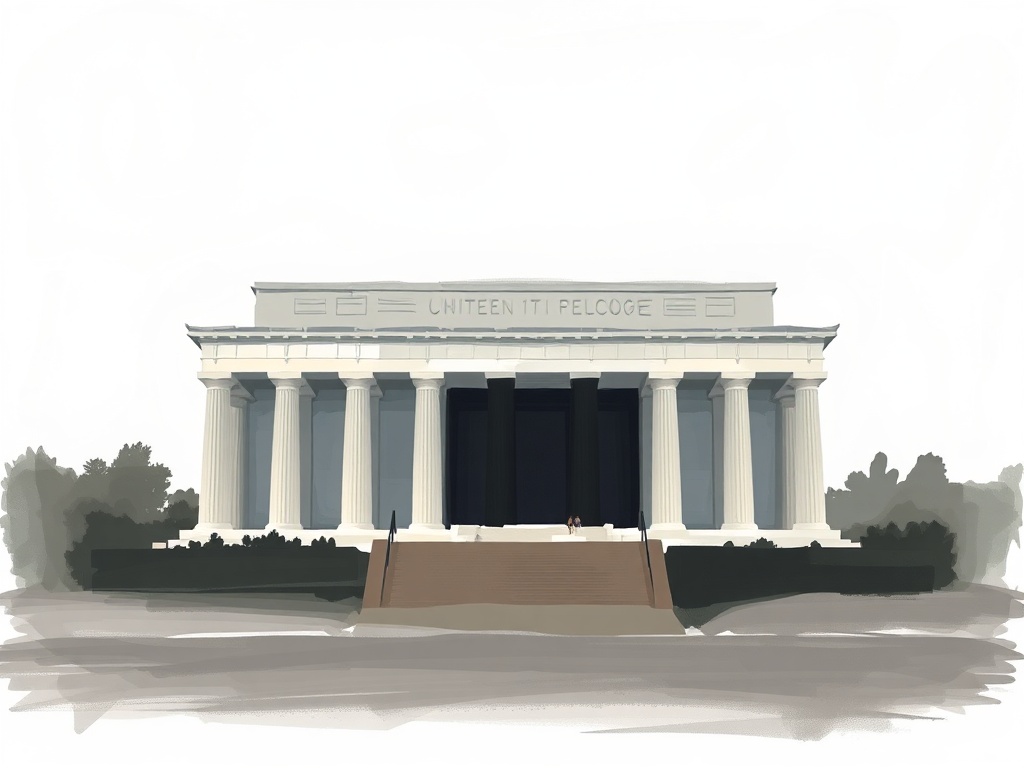
It functions not just as a monument to one leader, but as a gathering place for speeches, marches, and quiet tribute.
Its enduring presence encourages visitors to think about national ideals, leadership, and the ongoing work of democracy.
Preservation and visitor experience
Regular conservation work preserves marble surfaces and structural integrity while minimizing disruption to visitors. Lighting and interpretive signage have been adjusted over time to improve safety and accessibility without diluting the memorial’s solemn atmosphere. Staff and volunteers offer information and occasional guided talks that highlight design choices, symbolism, and the memorial’s role in public life.
Tips for visiting
– Best times: Early morning and late evening offer softer light for photography and fewer crowds. Nighttime illumination lends a dramatic quality to the statue and façade.
– Photography: Wide-angle shots capture the full colonnade and reflection in the pool; tighter compositions work well for the statue’s expressions and inscriptions.
Respect ongoing events or ceremonies when photographing.
– Accessibility: Ramps and accessible routes are available; ask on-site staff for assistance or current access details if needed.
– Events: Check for scheduled public events or temporary closures.
The memorial often hosts commemorations and cultural gatherings, which can add richness to a visit but may affect access.
– Respect: This is both a tourist destination and a site of solemn remembrance.
Maintain low noise levels inside the chamber and follow any posted guidelines during ceremonies.
Connecting the visit
Pair a stop at the memorial with nearby sites for a fuller experience of the Mall—walking the Reflecting Pool, visiting adjacent memorials, or exploring nearby museums can turn a single stop into a meaningful day of history and reflection. For those who prefer less walking, guided tours by park staff or private providers offer curated narratives that illuminate architectural and historical details.
Whether seeking history, photo opportunities, or a place to reflect on national ideals, the Lincoln Memorial offers a powerful and accessible experience. Planning ahead, timing your visit, and allowing space for reflection will make a visit more memorable and respectful of the site’s cultural significance.