The Lincoln Memorial stands as one of the most iconic landmarks on the National Mall, drawing millions who seek history, architecture, and a powerful symbol of unity. Designed in a neoclassical style, the memorial’s clean lines and Greek temple form frame a massive seated statue of Abraham Lincoln, while the interior walls carry engraved excerpts of two of his most famous speeches that continue to resonate.
Why the memorial matters
The memorial isn’t just a monument to a president — it’s a civic symbol. It has served as a backdrop for pivotal moments in American history and a gathering place for demonstrations, cultural events, and moments of national reflection. Its inscriptions and the contemplative scale of the chamber invite visitors to reflect on themes of freedom, democracy, and equality.
Design and artistry
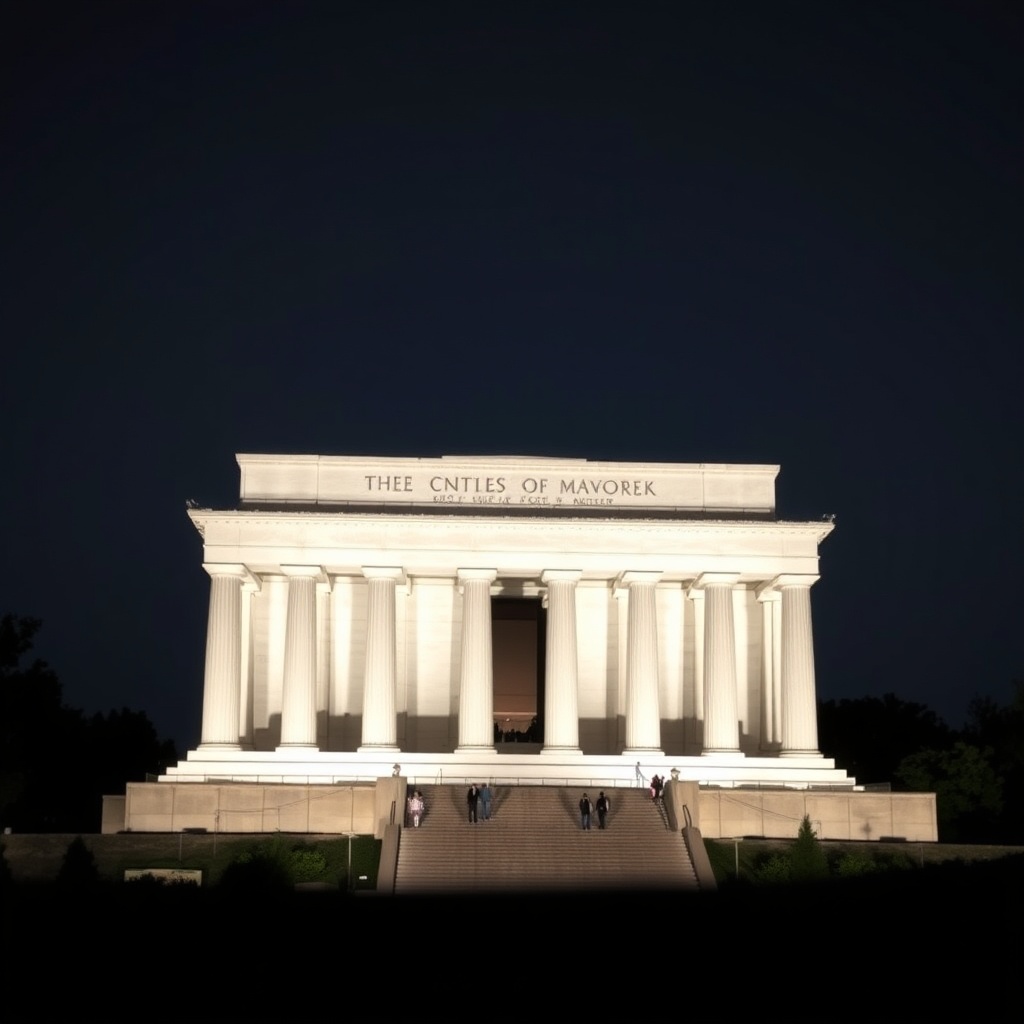
The towering seated figure of Lincoln was sculpted by Daniel Chester French and carefully placed within a temple designed by architect Henry Bacon. The chamber’s colonnade and exterior steps create dramatic sightlines to the Reflecting Pool and toward the Washington Monument, making the memorial a photographic and architectural focal point on the Mall. The exterior colonnade represents the states of the Union at the time of Lincoln’s death, and the materials and detailing reflect a commitment to timeless, classical design.
Visiting tips
– Best times: Sunrise and sunset offer softer light for photographs and quieter crowds. Nighttime visits are also striking, when the memorial is illuminated against the city skyline.
– Photography: For iconic shots, position across the Reflecting Pool to capture the whole composition, or climb the steps for close-ups of the statue and inscriptions.
Use a wide-angle lens for interior shots; a tripod is helpful but check local rules for restrictions.
– Crowds and events: Weekends and national holidays draw larger crowds.
The memorial often serves as a stage for public gatherings, so check the event calendar if you prefer a quieter visit.
– Hours and access: The site is managed by the National Park Service.
Public access policies and hours can vary, so consult official resources before planning a visit.
Accessibility and amenities
The memorial offers accessible routes for visitors with mobility needs and has nearby transit connections. Ramps and paved paths make most areas reachable, and visitor services along the Mall provide additional support. Plan ahead for restroom locations and water refill stations, as facilities near national monuments are spaced out.
Conservation and stewardship
Ongoing conservation efforts keep the memorial in good condition for future generations. Periodic maintenance addresses weathering, visitor wear, and preservation of the marble and inscriptions. These stewardship projects ensure the memorial continues to convey its historical and symbolic meaning.
Nearby attractions
Located at the west end of the Mall, the Lincoln Memorial sits near the Vietnam Veterans Memorial, the World War II Memorial, and an array of museums and cultural institutions. A walking tour of the area rewards visitors with layers of national history and reflective public spaces.
Whether you’re drawn by history, architecture, or a desire to pay respects, the Lincoln Memorial remains a powerful stop on any visit to the nation’s capital. Plan your trip with a flexible schedule, bring comfortable shoes for the steps and promenades, and allow time to linger — the site invites reflection and discovery at every visit.