The Lincoln Memorial stands as one of the most enduring symbols on the National Mall: a place of architecture, memory, and public gathering that draws visitors from around the world. Whether you’re planning a first visit or revisiting with fresh eyes, knowing what to look for will deepen your experience.
What to see
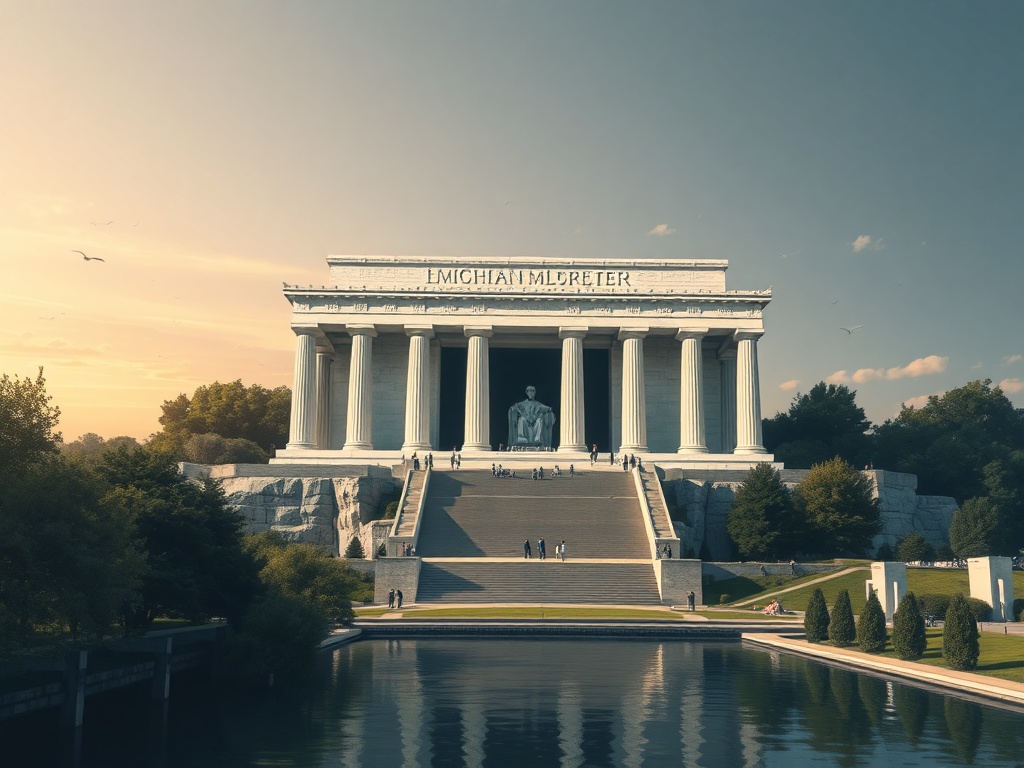
– Architecture: Modeled after a Greek Doric temple, the memorial’s exterior features a peristyle of columns that symbolize the states in the Union at the time of Lincoln’s death. The clean lines and classical proportions were chosen to evoke permanence and democratic ideals.
– The Statue: At the center is a seated figure of Abraham Lincoln, a monumental work that commands the chamber. Its scale and posture are designed to convey both strength and contemplation.
– Inscriptions: The Gettysburg Address and Lincoln’s Second Inaugural Address are carved into the interior walls. Read them closely—the plain, powerful language is part of the memorial’s emotional core.
– The View: From the memorial steps you get one of the most iconic perspectives on the National Mall, looking across the Reflecting Pool toward the Washington Monument.
It’s also a focal point for public ceremonies and gatherings.
Civic and cultural importance
The Lincoln Memorial has long been a stage for civic life. It’s a place where ideas about freedom, equality, and citizenship have been voiced, and where movements and speakers have turned to the site for symbolic resonance. That layered history makes the memorial both a monument and a meeting place—relevant for tourists and active citizens alike.
Practical visiting tips
– Timing: Early morning and late evening are best for avoiding crowds and capturing dramatic light on the reflecting pool and façade.
Nighttime lighting creates a striking scene for photos.
– Access: The memorial sits at the west end of the National Mall and is accessible by public transit, bike, and walking routes. Vehicle parking nearby is limited; plan to use public transit or ride services for convenience.
– Hours and rules: The site is managed by the National Park Service; check official resources for current access details and any event-related closures.
Respect the memorial by following posted rules—avoid climbing on sculptures or disturbing ceremonies.
– Accessibility: Ramps and pathways make the memorial accessible to most visitors. Service animals are generally permitted; consult official guidance for specific accessibility needs.
Photography pointers
– For classic shots, position yourself near the eastern end of the Reflecting Pool for a symmetrical composition with the Washington Monument in the background.
– For dramatic interior portraits of the statue, use a longer lens and include some of the architectural details to convey scale.
– Low light during sunrise or blue hour produces moody reflections and long shadows—ideal for evocative imagery.
Conservation and ongoing care
This is a heavily visited site, and preserving its stone, sculpture, and inscriptions is an ongoing effort. Conservation projects and maintenance protect the memorial for future visitors, and responsible behavior by guests—staying on paths, not touching carved surfaces—helps extend the life of this national treasure.
Why it matters
Beyond its striking design, the Lincoln Memorial functions as a space for reflection and civic dialogue. It invites visitors to consider the ideals engraved within and to connect those words to contemporary life. For anyone visiting the National Mall, the memorial offers both a powerful visual experience and a living piece of civic history.