The Washington Capitals remain one of the NHL’s most recognizable franchises, defined by high-octane offense, passionate fans, and a culture that blends championship expectations with long-term development. For anyone following the team, there’s a clear theme: balancing respect for iconic veterans with a steady infusion of young talent to keep the roster competitive and fast-paced.
Franchise identity and playstyle
The Capitals are known for an attack-first mentality that favors heavy shot volume and dynamic wing play.
That identity grew from star scorers and elite power-play units, and the organization still prioritizes creating scoring chances from controlled entries and quick transitions. At the same time, there’s been a measurable shift toward more structured two-way play, with coaches demanding accountability in defensive zones and support for goaltenders on breakouts.
Leadership and legacy
Iconic figures have shaped the team’s public image and locker-room standards. Veteran leadership—both on-ice and off—remains a cornerstone as the team blends experience with youth. Honoring the accomplishments of franchise legends while fostering a next wave of leaders is central to the locker-room culture. That mix helps younger players adapt to the expectations that come with wearing the red, white, and blue.
Prospect pipeline and development
Development through the minor-league affiliate and smart drafting has become increasingly important. The organization leans on its development staff to convert draft picks into NHL contributors, emphasizing skating, decision-making, and special-teams awareness.
Fans should watch for prospects who excel in puck management and can adapt to faster NHL pace—those traits often translate quickest to regular roster roles.
Goaltending and defense
Reliable goaltending remains a foundational need. The team’s approach pairs technical goaltending coaching with defensive systems that reduce odd-man rushes and limit high-danger chances.
On defense, the trend is toward mobile pairings that can move the puck quickly into transition and support the rush without sacrificing gap control.
Special teams and tactical adjustments
Special teams often decide tight games. A disciplined penalty kill and an opportunistic power play can swing a season’s fortunes.
The coaching staff tends to tweak lines and units to create mismatches and maximize shooting lanes. Fans will notice more focus on versatility—players who can play multiple forward roles and adapt to matchup-driven strategies.
Fan experience and rivalries
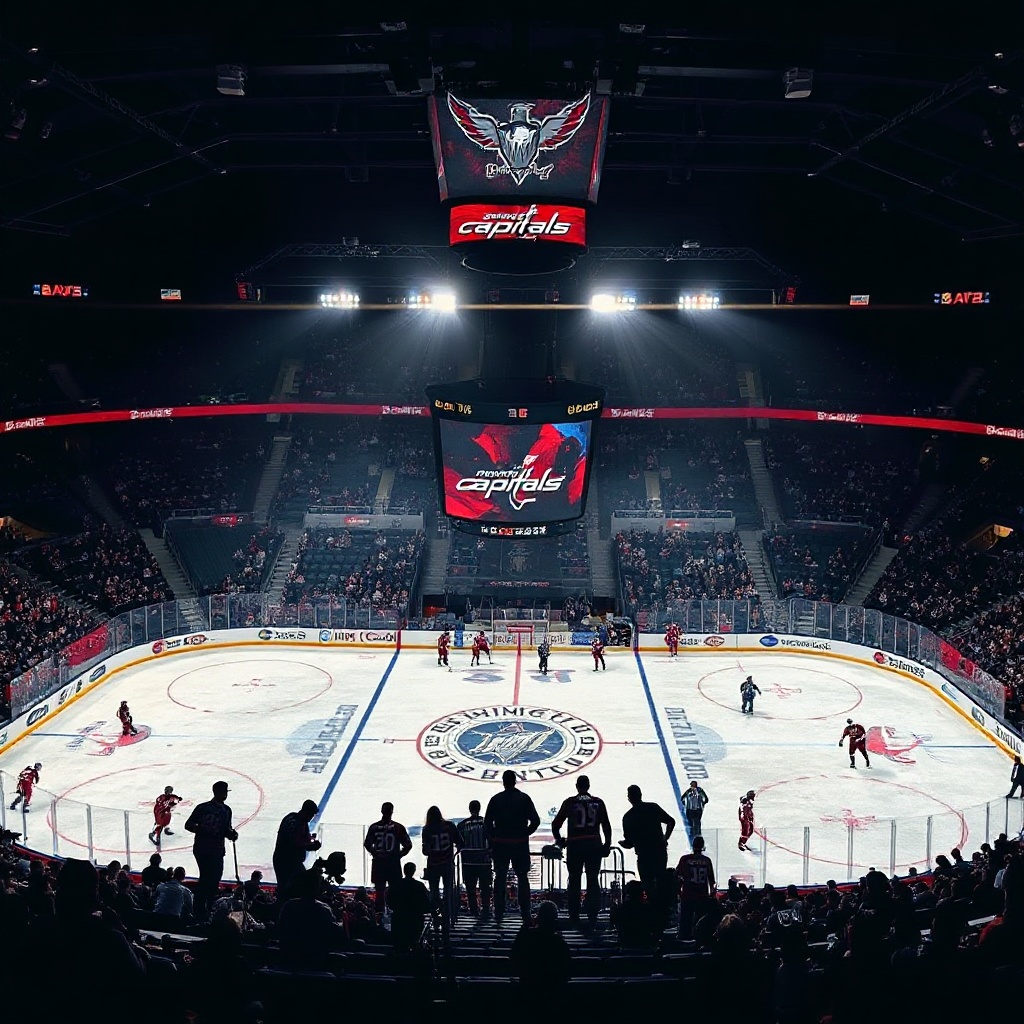
Home games at the arena are known for energetic crowds and signature traditions like “Rock the Red” nights.
Rivalries with nearby teams remain intense and are key dates on the schedule, consistently delivering physical play and playoff-like atmospheres. The organization also focuses on enhancing the in-arena experience with promotions, interactive fan activations, and community-oriented events.
Community and outreach
Community programs continue to be a highlight, from youth hockey initiatives to charity partnerships that extend the team’s impact beyond the ice.
These efforts help cultivate the next generation of fans and players while reinforcing the team’s role in the broader community.
What to watch
Pay attention to how quickly prospects adapt to NHL speed, how coaching tweaks affect special teams, and whether the blend of veterans and youth produces consistent two-way play.
Key matchups against traditional rivals often provide a gauge of where the team stands and reveal which players are ready to elevate their game.
For followers of Washington hockey, there’s plenty to track: a franchise balancing legacy and future talent, tactical shifts that prioritize structure without sacrificing offense, and an engaged fanbase that keeps the atmosphere electric every time the Capitals take the ice.