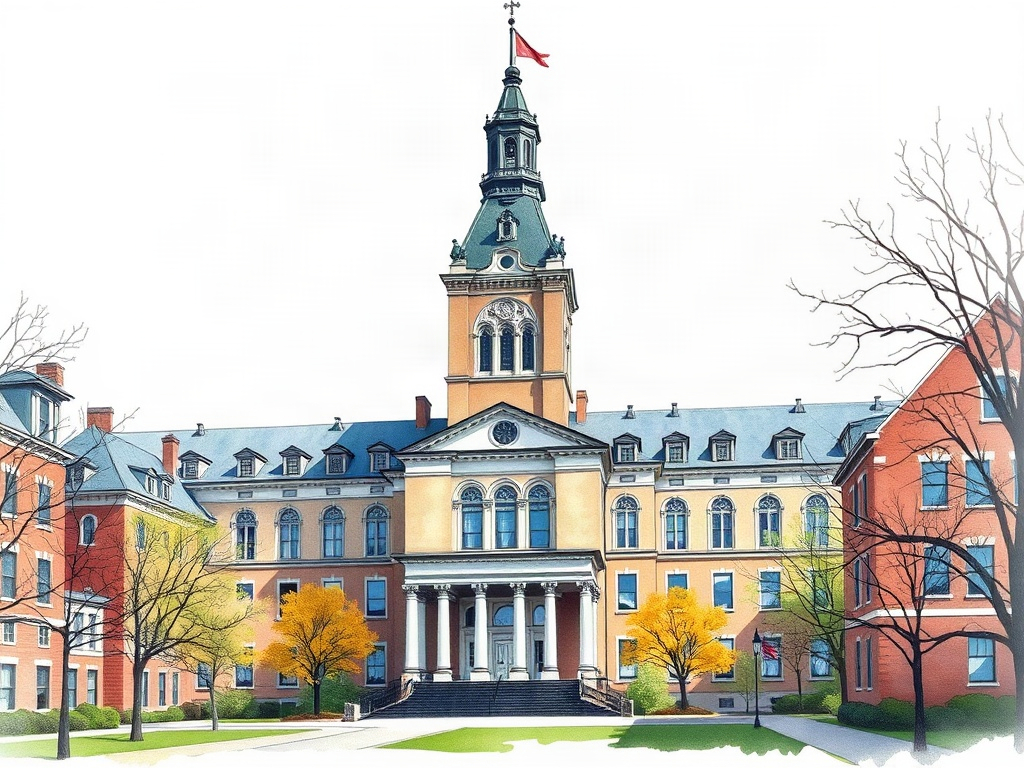
Why Georgetown remains a hub for global leaders and civic engagement
Georgetown University blends rigorous academics, a competitive urban location, and a distinct Jesuit identity to create a campus experience that attracts students interested in global affairs, public service, and professional preparation. Perched on a hill overlooking the Potomac River in Washington, D.C., Georgetown offers easy access to federal agencies, international organizations, think tanks, and Fortune companies—making internships and hands-on learning a natural extension of classroom work.
Academic strengths and interdisciplinary opportunities
Georgetown is especially well known for programs in international relations, law, business, and public policy, alongside strong offerings across the humanities, sciences, and medicine. Interdisciplinary centers and institutes connect students and faculty across fields—augmenting traditional majors with research, policy labs, and experiential learning.
For students aiming for careers in diplomacy, government, or global development, the combination of coursework, faculty mentorship, and DC-based practicum opportunities is a major draw.
Campus culture and student life
Student life at Georgetown balances academic rigor with a lively extracurricular scene. Hundreds of student organizations cover cultural, political, service, and performing-arts interests, while club and varsity athletics foster school spirit under the “Hoyas” banner. The university’s Jesuit heritage informs a commitment to social justice and cura personalis—an approach that encourages students to develop intellectually while considering ethical and civic responsibilities.
Career outcomes and networking
A central advantage of Georgetown is proximity to career-defining opportunities.
Students often secure internships with government agencies, embassies, NGOs, and major corporations, leveraging the alumni network that is active in public service, law, finance, and international affairs.
Career centers offer mentorship, resume coaching, and employer programming to translate internship experiences into full-time roles.
Global reach and study abroad
Study-abroad programs and global partnerships are integral to the Georgetown experience.
Whether through semester exchanges, faculty-led programs, or fieldwork embedded in coursework, students can pursue language immersion and region-specific study that complement classroom theory with real-world contexts. These options attract learners seeking deep cultural competence and international perspectives.
Sustainability and community engagement
Georgetown has emphasized sustainability and community partnerships across campus operations and academic initiatives.
Green building projects, energy-efficiency programs, and local outreach efforts reflect growing student and institutional interest in environmental stewardship and equitable community development. Service-learning projects often tie into local neighborhoods and policy initiatives, connecting scholarship to civic impact.
Tips for prospective students and visitors
– Explore campus in person or via a virtual tour to feel the layout, academic spaces, and neighborhood vibe.
– Take advantage of informational events hosted by specific schools and centers to learn about program strengths and career pathways.
– When planning visits, factor in time to meet current students and faculty to get a sense of classroom culture and support services.
– Prospective applicants should highlight meaningful experiences—service, research, internships, or leadership—that align with Georgetown’s emphasis on ethical engagement and global perspectives.
Why it matters
For students seeking an education that pairs deep academic training with immediate access to global institutions and civic life, Georgetown offers a distinctive platform. The intersection of a historic campus, diverse programs, and an engaged alumni base makes it a compelling choice for those committed to leadership, public service, and cross-border problem solving.