Georgetown University blends historic campus charm with immediate access to the institutions that shape global policy.
Nestled near the Potomac River and the city’s policy corridors, the university offers a mix of rigorous academics, high-impact research, and a network that opens doors across diplomacy, law, business, health, and public service.
Academic strengths and signature programs
Georgetown is best known for international affairs and public policy, anchored by the School of Foreign Service (SFS) and the McCourt School of Public Policy.
The McDonough School of Business and the Law Center round out a portfolio that supports cross-disciplinary study and practical experience.
Strong graduate programs and research centers focus on global health, security studies, climate policy, and international development—areas that leverage Georgetown’s proximity to global organizations and federal agencies.
Campus character and student life
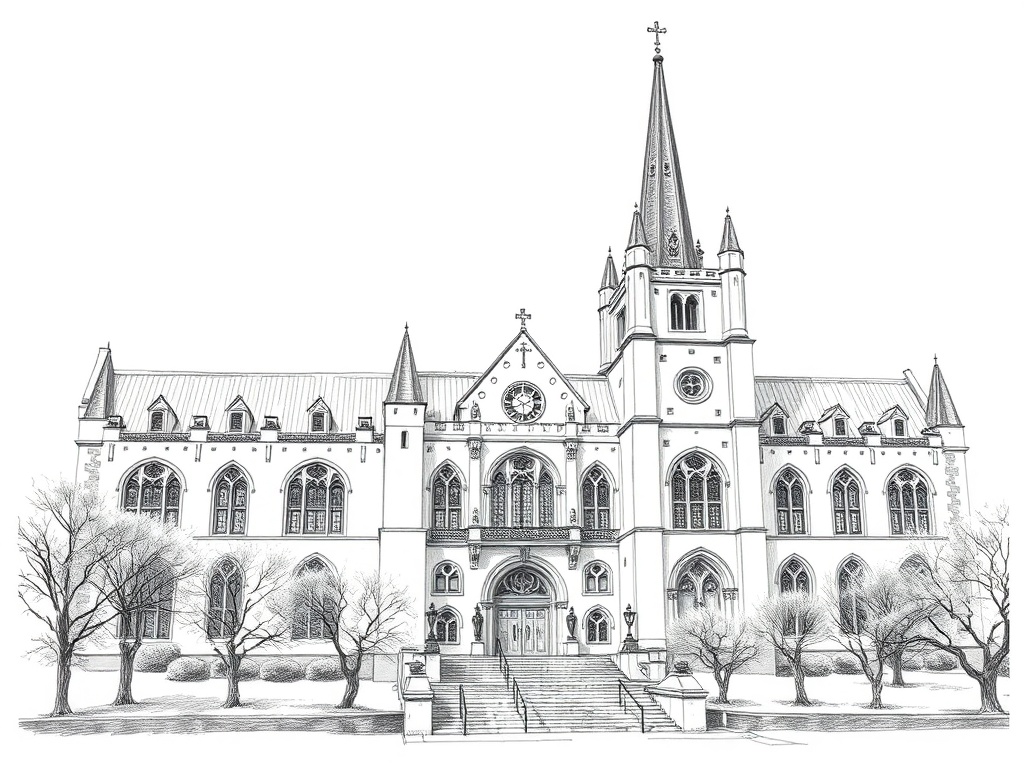
Healy Hall remains the visual heart of campus, while the surrounding neighborhoods—M Street and the waterfront—offer vibrant student life, dining, and internship opportunities. Traditions like the Hoya Saxa spirit culture and a robust roster of student organizations create a tight-knit community. Students balance classroom work with on-the-ground experience: student media, community service partnerships, model diplomacy simulations, and athletics all contribute to a full campus experience.
Internships, advocacy, and career outcomes
One of Georgetown’s most persistent advantages is location. Internships with think tanks, government agencies, international NGOs, and private firms are a routine part of undergraduate and graduate training.
Career services leverage alumni connections to place students into fellowships, clerkships, and competitive positions nationally and internationally. For students focused on public service, law, or diplomacy, Georgetown provides both credibility and practical pathways.
Research and public impact
Research at Georgetown spans policy labs, medical research through the university’s medical center, and interdisciplinary collaborations that address urban health, cybersecurity, and climate resilience. Centers and institutes frequently partner with government entities and NGOs to translate scholarship into policy recommendations and community programs. Faculty often participate in public discourse, serving as advisors, commentators, and experts tapped by media and institutions.
Sustainability and campus initiatives
Georgetown has pursued sustainability upgrades across facilities, with energy-efficiency projects, green building practices, and campus recycling and composting programs. Student groups push sustainability and social-justice initiatives, creating momentum for institutional commitments to reduce environmental impact and enhance community resilience.
Applying and preparing
Admission is competitive and holistic.
Applicants who stand out typically combine strong academics with meaningful extracurricular engagement, clear interest in areas where Georgetown excels, and thoughtful writing that connects personal experience to future goals. Prospective students should explore program-specific resources, visit campus if possible, pursue relevant internships or community projects, and reach out to faculty or current students to clarify fit.
Why Georgetown matters
What sets Georgetown apart is the blend of tradition and access: historic campus life coupled with daily proximity to global policy-making. For students aiming at careers in diplomacy, law, public policy, global business, or health leadership, Georgetown offers networks, experiential learning, and the intellectual environment to translate ambition into impact.
Plan a campus visit, review program webpages, and talk with current students or alumni to get a sense of fit. Whether you’re drawn by international affairs, public service, or academic research, Georgetown provides resources and connections to move ideas into action.