Georgetown University sits at the intersection of academic rigor, public service, and urban energy. Located in the Georgetown neighborhood of Washington, D.C., the university combines a compact, historic campus with direct access to federal agencies, embassies, think tanks, and global institutions—making it a natural hub for students interested in diplomacy, law, public policy, and international affairs.
Academic strengths and signature programs
– The School of Foreign Service is widely recognized for producing leaders in diplomacy and international policy, with curricula that emphasize languages, regional expertise, and applied research.
– Georgetown Law offers strong clinical programs and frequent engagement with the judiciary and regulatory bodies.
– The McDonough School of Business and the medical and health sciences programs are notable for integrating professional training with real-world internships and research.
Across schools, small seminar sizes, faculty with government and global experience, and cross-disciplinary opportunities are hallmarks that attract students focused on impact.
Location-driven advantage
Being in the nation’s capital gives Georgetown students unparalleled access to internships, part-time placements, and guest speakers. Walkable connections to Capitol Hill, federal agencies, international missions, and consulting firms create pipelines into careers in government, NGOs, and the private sector. For many students, that proximity translates into experiential learning that complements classroom theory.
Research, centers, and public engagement
Georgetown houses numerous research centers and institutes that influence policy debates on topics such as international security, global health, human rights, and climate policy. These centers regularly convene experts, publish policy-relevant research, and provide practical training for students who want to translate scholarship into public action. The university’s emphasis on public engagement means faculty and students often collaborate with D.C.-based partners on projects that affect local and global communities.
Campus character and student life
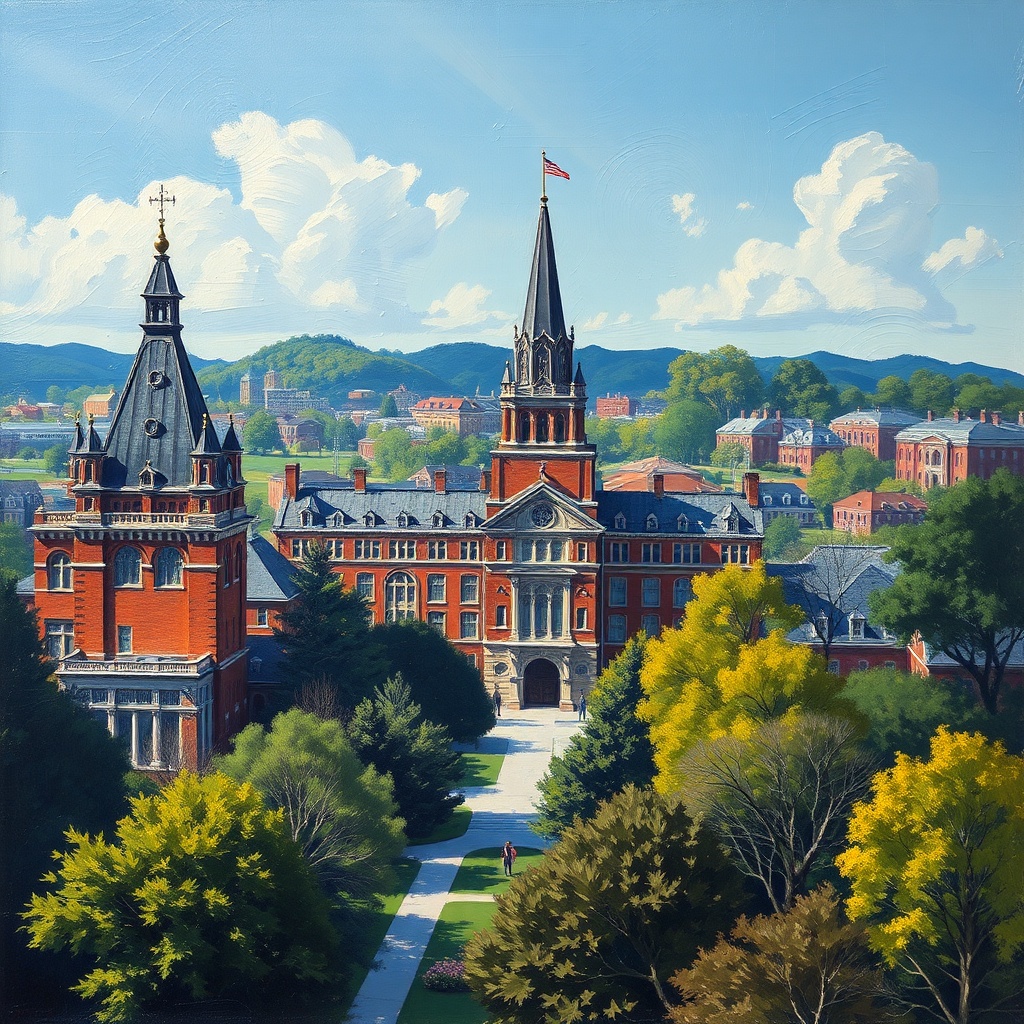
The campus balances historic architecture—iconic buildings and leafy quads—with vibrant student energy. Student organizations span political clubs, service initiatives, cultural groups, and entrepreneurial projects, reflecting a diverse and engaged community. Traditions, campus rituals, and the “Hoya” spirit are visible on game days, at campus events, and in alumni networks that remain active long after graduation.
Commitment to values and sustainability
Rooted in a Jesuit educational tradition, Georgetown stresses ethical leadership, social justice, and cura personalis—care for the whole person. That ethos shows up in community service programs, pro bono legal clinics, and public-interest fellowships. The university has also prioritized environmental sustainability through campus efficiency projects, green building standards, and initiatives aimed at reducing its carbon footprint and increasing resilience.
Visiting, applying, and alumni outcomes
Prospective students benefit from campus tours, info sessions, and interviews that showcase academic programs and D.C.
connections.
Career services emphasize tailored employer engagement, networking events, and alumni mentorship—factors that support strong placement in government, law firms, consulting, international organizations, and graduate programs.
Alumni remain active in politics, public service, business, and academia, reflecting the university’s longstanding influence across sectors.
Whether drawn to foreign policy, law, business, health, or service, students at Georgetown gain a blend of rigorous coursework, applied experience, and access to one of the world’s most dynamic policy ecosystems. That combination makes the university a distinctive choice for those aiming to shape public life and global affairs.