The Lincoln Memorial stands as one of the most visited and photographed landmarks on the National Mall, embodying themes of unity, freedom, and the ongoing pursuit of equality. Whether you’re drawn by its neoclassical architecture, historic significance, or the sweeping view across the Reflecting Pool to the Washington Monument, the memorial offers a powerful, contemplative experience for every visitor.
Architecture and symbolism
Modeled after a Greek Doric temple, the memorial features 36 fluted columns that symbolize the states in the Union at the time of Lincoln’s death.
The exterior’s clean lines and classical proportions were chosen to convey permanence and dignity. Inside, a towering marble statue of Abraham Lincoln, sculpted by Daniel Chester French and carved by the Piccirilli Brothers, anchors the chamber. Wall inscriptions include passages from the Gettysburg Address and Lincoln’s second inaugural remarks, emphasizing themes of national purpose and reconciliation.
A stage for history
Beyond its architectural merit, the memorial has served as a backdrop for pivotal moments in civic life.
Its broad steps and plaza have been the setting for rallies, marches, and speeches that shaped public discourse. Visitors often pause on the steps to reflect on those gatherings and to appreciate how a single monument can become a living space for democratic expression.
Best times to visit
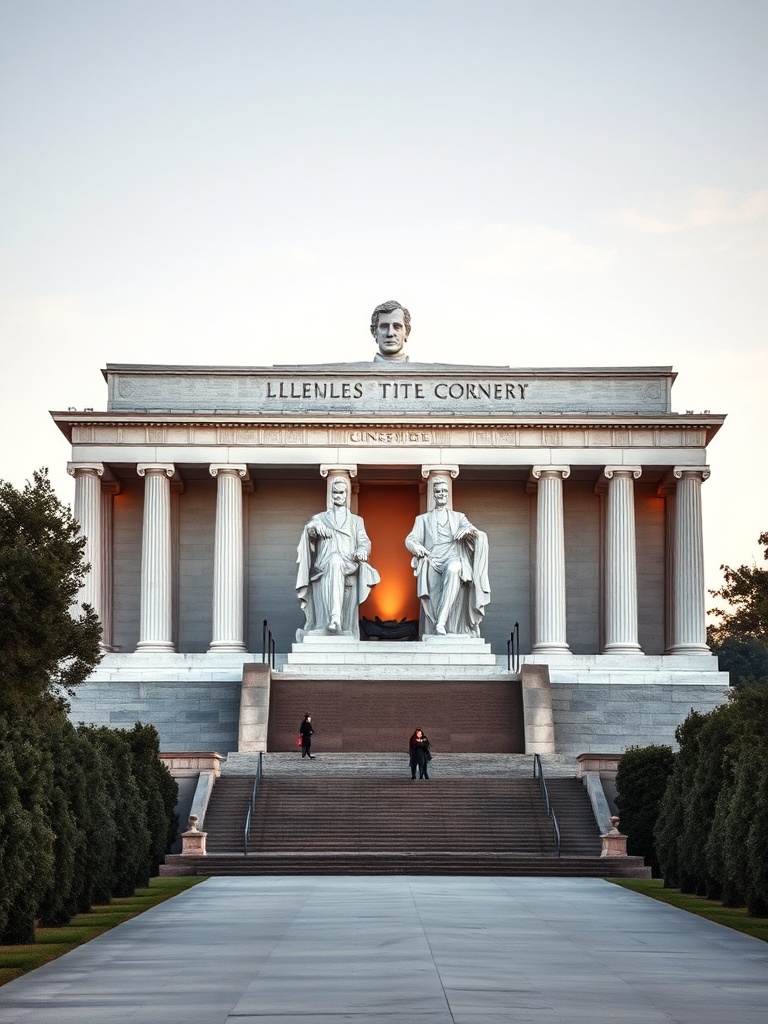
For quieter, more reflective visits, arrive early in the day when the light is soft and crowds are smaller.
Evening visits are also rewarding: the memorial’s lighting creates dramatic contrasts, and the view across the Reflecting Pool is especially photogenic after sunset.
Peak midday hours draw large tour groups, so plan accordingly if you want a less crowded experience.
Practical visitor tips
– Location: The memorial sits at the west end of the National Mall, easily reachable by public transit, bike, or on foot from nearby landmarks.
– Security: Expect bag checks and routine security screening; bring a government-issued ID if required.
– Accessibility: The site provides accessible routes, ramps, and elevator access to the chamber.
Audio resources and tactile features help visitors with visual impairments engage with the site.
– Amenities: There are limited facilities at the memorial itself; nearby museums on the Mall provide restrooms, dining options, and more detailed exhibits on Lincoln and American history.
Photography and respectful conduct
Photography is encouraged, but respect the site’s solemn purpose. The seated Lincoln statue is a contemplative figure; visitors often spend time reading the inscriptions and reflecting quietly.
When photographing the monument, consider different vantage points—close-up shots of the statue, wide angles including the Reflecting Pool, or perspectives that capture the scale of the columns.
Why it matters now
The Lincoln Memorial continues to resonate because it ties architectural beauty to enduring national conversations about liberty and citizenship. It invites repeated visits: each return trip can reveal new layers of meaning, whether through personal reflection or by observing how contemporary events interact with historic space.
Plan your visit with a flexible schedule, allow time to linger at the steps, and take advantage of nearby cultural sites. The memorial rewards curiosity and quiet attention—making it a must-see for anyone exploring the heart of the capital.