Washington, D.C.: How to Explore the City’s Cultural Pulse, Waterfronts, and Neighborhoods
Washington, D.C.
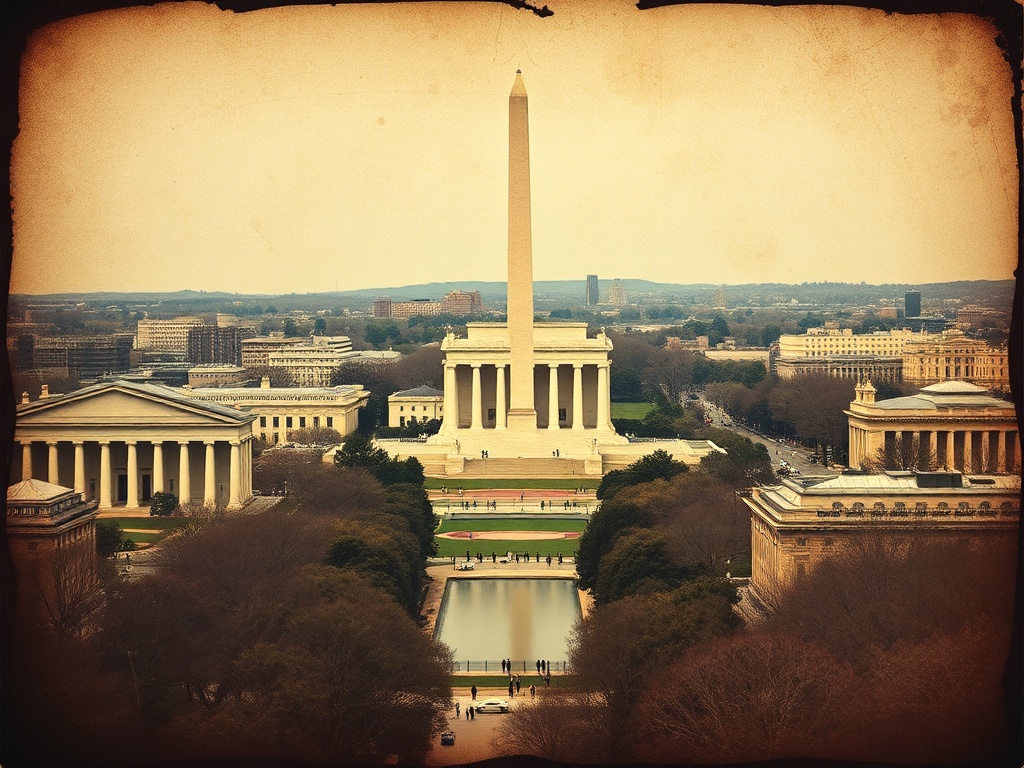
is known for monumental landmarks, but the city’s evolving neighborhoods, waterfronts, and cultural scenes create the best reasons to linger beyond the National Mall.
Whether you’re a first-time visitor or someone rediscovering the capital, focusing on walkable districts, museum access, and culinary hubs makes for a richer experience.
Start with the essentials: the museums and monuments
The concentration of world-class museums around the Mall remains unmatched. Many major museums offer free admission, making it easy to tailor visits by interest—art, aviation, natural history, or American history. Smaller Smithsonian-affiliated museums and independent institutions across the city showcase specialized collections that reward slower exploration.
Plan to mix big-name stops with neighborhood museums to avoid crowds and find unexpected favorites.
Walkable neighborhoods with distinct personalities
Beyond federal buildings, the city’s neighborhoods deliver the real local flavor. U Street and Shaw are cultural anchors for live music, jazz clubs, and a thriving dining scene. Georgetown blends historic architecture with boutique shopping and waterfront walks. Capitol Hill pairs residential charm with the bustle of Eastern Market, where fresh food vendors and local artisans converge. Navy Yard and The Wharf have redefined waterfront life with public spaces, performance venues, and year-round events that keep outdoor dining and riverfront promenades lively.
Food halls, farmers markets, and a growing food scene
Food halls and markets are reliable ways to sample the city’s culinary diversity in one stop.
Places that gather local vendors make it simple to compare regional specialties, international street food, and inventive small plates. Neighborhood-focused farmers markets are also a great way to connect with producers and try seasonal produce and prepared foods. For a memorable meal, seek out restaurants that emphasize local ingredients and seasonal menus, especially those in evolving corridors where chefs often pilot new concepts.
Getting around: transit, bikes, and walkability
Public transit connects the major nodes, while bike lanes and electric scooters help bridge short distances.
The city is increasingly bike-friendly, with protected lanes linking parks, waterfronts, and commercial areas—ideal for scenic rides along the river or between neighborhoods. Walking frequently proves the best way to discover mural-lined streets, hidden courtyards, and local cafés, so plan pockets of time for unhurried wandering.
Parks, riverfronts, and outdoor activities
Green spaces and waterfront development make it easy to balance museum days with outdoor time. Larger parks provide trails and picnic spots, while riverfront promenades invite kayaking, paddleboarding, or simply relaxing on benches with skyline views. Seasonal festivals, outdoor concerts, and food-centric events cluster around these public spaces, energizing neighborhoods and making them worth timing into a visit.
Practical tips for a smoother visit
– Book timed-entry tickets for popular museums or exhibits when available to avoid long lines.
– Use transit apps and bike-share maps to plan multimodal routes that save time and reduce walking between far-apart sites.
– Check neighborhood event calendars—local festivals and markets often showcase the city’s best street food and live music.
– Pack comfortable shoes and layers; microclimates around the river and near open plazas can change quickly.
Washington, D.C. is both a capital of monuments and a city of neighborhoods.
By mixing iconic stops with time in local markets, waterfront parks, and music-filled streets, visitors and residents alike can experience the dynamic cultural pulse that defines the city today.