Lincoln Memorial: A Timeless Symbol, What to See and How to Visit
The Lincoln Memorial stands as one of the most visited and photographed landmarks on the National Mall. More than a monumental statue, it’s a carefully designed space of architectural symbolism, public memory, and living civic life. Whether you’re planning a first visit or returning for a deeper look, knowing what to expect will help you appreciate its design, history, and role in national life.
Why the memorial matters
The memorial honors Abraham Lincoln and his leadership during a time of intense national conflict.
The site’s design borrows classical elements to convey permanence and democratic ideals: a temple-like exterior, fluted columns, and inscriptions of Lincoln’s most famous speeches carved into the interior walls. From the reflecting pool, the memorial frames views of the Washington Monument and the Capitol, reinforcing its place at the center of the Mall’s symbolic landscape.
Key features to notice
– The statue: A seated representation of Lincoln occupies the inner chamber. Its scale and posture invite quiet reflection and are designed to convey moral gravity.
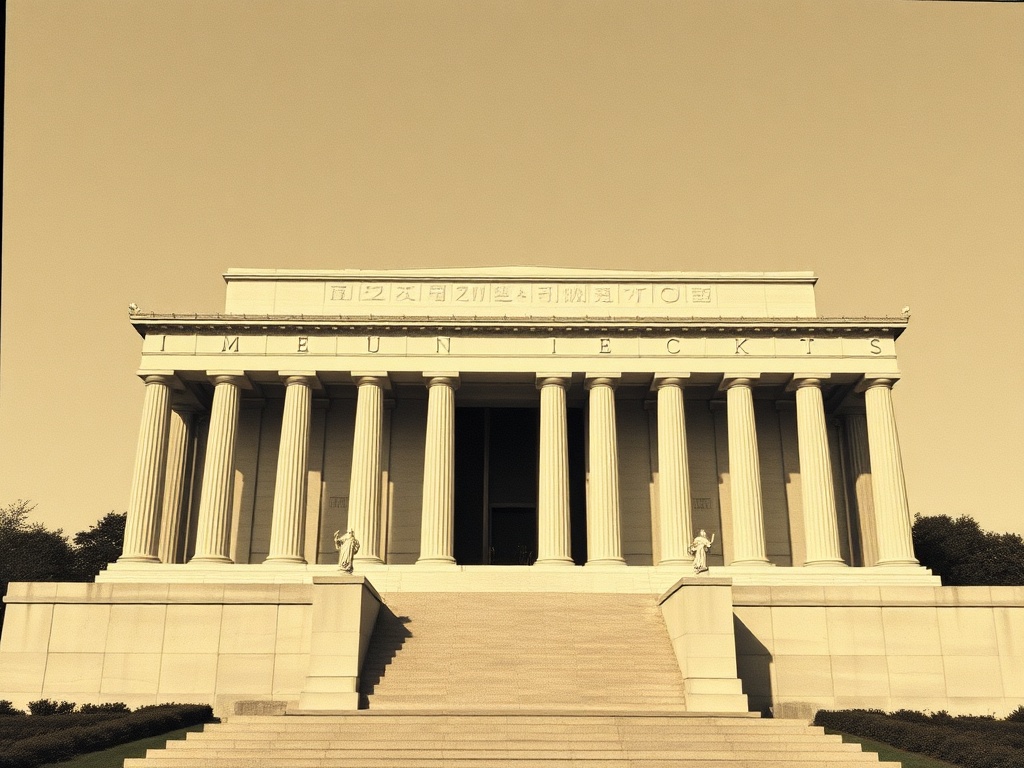
– Inscriptions: Texts of the Gettysburg Address and the Second Inaugural Address are carved into the walls. Read them standing inside; the words are meant to be heard in stillness.
– Columns and symbolic details: The thirty-six exterior columns represent states in the Union at the time of Lincoln’s passing. Decorative friezes and murals add layers of meaning about unity and perseverance.
– The reflecting pool and approaches: Approaching from the Mall, the pool creates a long, meditative axis that visually connects the Lincoln Memorial with surrounding monuments.
Best times to visit and photography tips
Early morning and late evening offer cooler temperatures, softer light, and fewer crowds. Night visits provide dramatic illumination and calm views, making them ideal for long-exposure photography.
For sunrise shots, the reflecting pool can produce striking reflections of the memorial and sky. Use a wide-angle lens to capture the interior statue and inscriptions; a tripod helps for low-light conditions.
Accessibility and visitor services
The site is managed by the National Park Service and is accessible to visitors with mobility needs. Ramps, pathways, and accessible restrooms are available; check official National Park Service resources for the latest accessibility details and any maintenance-related advisories. Visitor centers and ranger-led programs often provide guided context and talks that enrich the experience—look for interpretive signs and scheduled tours.
Civic gatherings and living history
The memorial’s steps have hosted historic speeches and civic gatherings, making it both a place of remembrance and of active civic expression.
Visitors should be mindful of ongoing events or demonstrations and show respect for solemn moments and fellow visitors.
Practical tips and etiquette
– No admission fee; the memorial is open around the clock, but services and staffing vary by time of day.
– Protect the site: avoid climbing on statues or monuments, and follow posted rules to help preserve the memorial for future visitors.
– Nearby stops: Combine a visit with nearby memorials and museums along the National Mall to create a fuller, reflective itinerary.
A visit to the Lincoln Memorial is an opportunity to connect with foundational ideas about democracy, leadership, and civic duty. Whether you linger on the steps, read the carved words inside, or simply take in the vista from the reflecting pool, the memorial rewards quiet observation and thoughtful reflection.