Georgetown University blends historic charm with a modern focus on global engagement, making it a standout choice for students who want rigorous academics plus real-world opportunities. Nestled in Washington, D.C., the campus sits at the intersection of policymaking, diplomacy, and vibrant urban life, giving students direct access to internships, think tanks, and federal institutions that complement classroom learning.
Academic breadth and global focus
Georgetown is known for a strong liberal arts foundation alongside professional schools that prepare students for leadership across sectors. The Walsh School of Foreign Service has a long reputation for training diplomats and international affairs specialists, while McDonough School of Business, the Law Center, and the medical and health programs deliver professional pathways grounded in research and practical experience. Cross-school collaboration and interdisciplinary centers encourage students to combine policy, economics, data analysis, and ethics for real-world problem solving.
Washington, D.C. as a classroom
One of Georgetown’s clearest advantages is proximity to the levers of power. Students routinely secure internships on Capitol Hill, with federal agencies, non-governmental organizations, and international institutions. These placements often translate into meaningful career launches and create a constant feedback loop between academic debates and policy practice.
For anyone pursuing law, public service, international affairs, journalism, or public health, the city functions as an extended campus.
Student life and traditions
Student life at Georgetown balances rigorous academics with spirited campus culture.
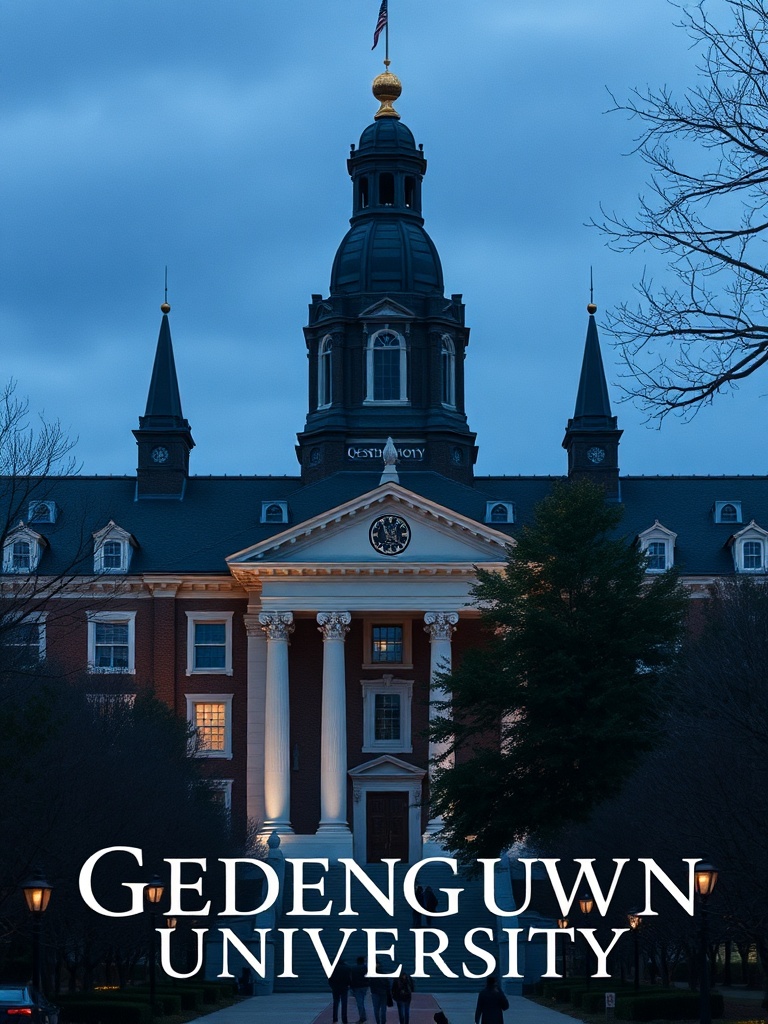
The Hoya Saxa cheer and the bulldog mascot are part of a long-standing identity that bonds students and alumni. Student organizations cover everything from cultural and political clubs to entrepreneurship, community service, and performing arts. On-campus publications and student media provide platforms for debate and leadership, while neighborhood cafés and the waterfront offer social and study spaces.
Commitment to service and ethics
Rooted in Jesuit traditions, Georgetown emphasizes service, ethics, and cura personalis—care for the whole person. Academic programs often include community engagement components and service-learning opportunities.
Centers dedicated to social justice and public policy support community partnerships and research addressing inequities in education, health, and housing.
That ethical framework shapes both classroom discussions and campus initiatives.
Research, innovation, and global reach
Research at Georgetown spans humanities to cutting-edge health sciences.
Faculty often collaborate with policymakers and international partners, producing scholarship that informs public debates. The university’s global presence extends through study-abroad options, exchange programs, and an international campus that fosters cross-cultural networks. Alumni in diplomacy, government, business, and nonprofits form a robust network that benefits current students through mentorship and recruitment.
Sustainability and campus evolution
Sustainability is an ongoing priority, with efforts focused on energy use, green buildings, and sustainable transportation. Campus planning seeks to balance preservation of historic architecture with upgrades that reduce environmental impact and improve accessibility. Students play active roles in sustainability initiatives, shaping practices and policies on campus.
Why it matters
Georgetown’s combination of academic rigor, ethical focus, and embedded access to policymaking institutions offers a distinct platform for students who want to engage with complex global challenges. Whether pursuing diplomacy, public service, law, business, or health, students find a setting where scholarship and practical experience reinforce each other, and where a strong alumni network supports career development long after graduation.