The Lincoln Memorial is one of the most recognizable landmarks on the National Mall, offering a powerful blend of architecture, symbolism, and public memory. More than a monument, it functions as a civic stage where architecture and history meet — a place that invites reflection on leadership, freedom, and the ongoing work of democracy.
Design and symbolism
Modeled after a Greek Doric temple, the memorial’s exterior uses massive columns and classical proportions to convey dignity and permanence. That classical language was intentionally chosen to link the ideals of democracy to a timeless architectural vocabulary. Inside, the colossal seated figure of Abraham Lincoln dominates the chamber, sculpted to convey both strength and solemn contemplation. Surrounding inscriptions include two of Lincoln’s most famous speeches, engraved on the interior walls so visitors can read the words that frame his legacy.
Iconic details
Several design elements reward closer attention. A frieze above the columns lists the states in the Union at the time of the monument’s completion, while decorative murals and allegorical statues highlight themes of unity and emancipation. The vantage point across the Reflecting Pool aligns the Lincoln Memorial with other major memorials, creating a powerful visual axis that has become an enduring part of the city’s landscape.
Cultural and civic role
The memorial has evolved into a gathering place for public expression. It has hosted marches, vigils, celebrations, and speeches that draw on the moral authority of Lincoln’s legacy. Moments staged at the memorial resonate far beyond the Mall because the site itself symbolizes ideals Americans return to when debating the nation’s direction.
Visitor tips
– Best times to visit: Early morning or late evening tend to offer softer light and smaller crowds.
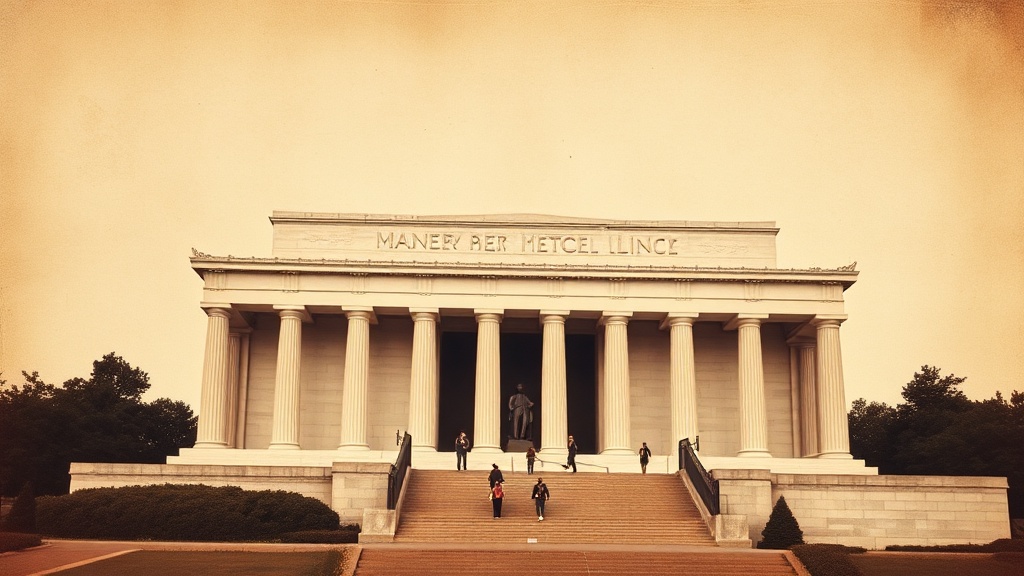
The monument’s lighting at night creates a dramatic scene if you prefer photography without harsh midday shadows.
– Access and mobility: Accessible routes and elevators provide entry to the main chamber. Check National Park Service resources for the latest accessibility details and visitor services.
– What to bring: Comfortable shoes for steps and walking along the Mall, water, and a light layer for variable weather.
Respectful behavior is expected inside the memorial; speech inscriptions and the statue are best experienced in quiet reflection.
– Nearby stops: The Reflecting Pool, World War II Memorial, and the nearby museums make it easy to plan a half-day exploring the Mall’s memorial circuit.
Conservation and stewardship
Materials like marble and limestone demand ongoing care.
Preservation efforts focus on cleaning, repairing stone work, protecting the bronze statue, and monitoring environmental impacts such as pollution and water runoff. Public support and careful management help ensure the memorial remains a resilient landmark for future visitors.
Why it matters
The Lincoln Memorial continues to be more than a tourist destination. It serves as a setting where history and civic life intersect, offering a place to reflect on leadership, equality, and the promises engraved on its walls. Whether you come for architecture, history, or the quiet companionship of a thoughtfully designed civic space, the memorial rewards a visit with perspectives that remain relevant today.