The Lincoln Memorial is one of the most visited and photographed landmarks on the National Mall, known for its powerful symbolism, contemplative design, and role as a gathering place for civic life.
Sitting at the western end of the Reflecting Pool and oriented toward the Washington Monument, the memorial combines classical architecture with American ideals—making it a must-see for first-time visitors and repeat travelers alike.
Design and symbolism
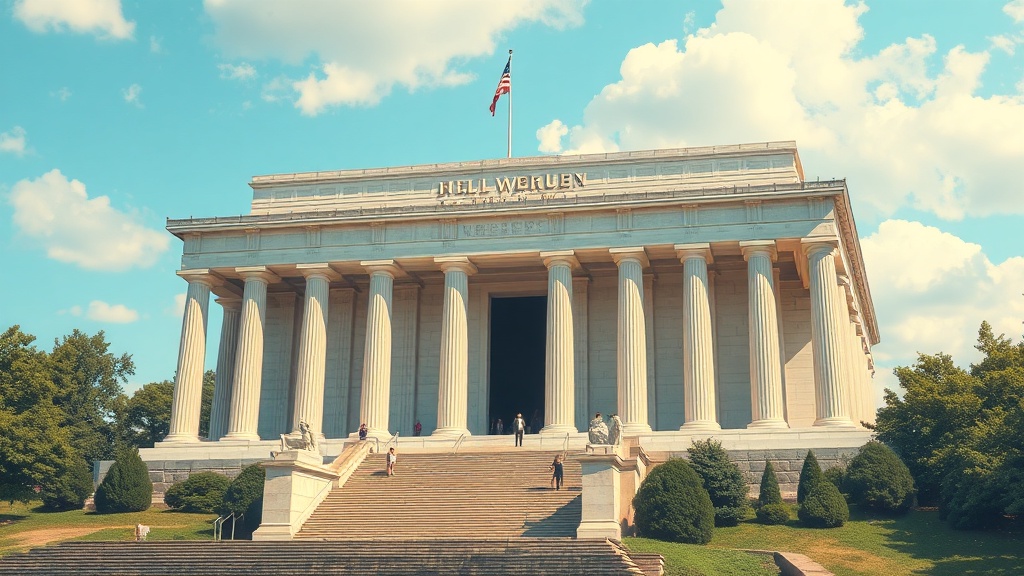
Modeled after a Greek Doric temple, the memorial’s exterior features 36 fluted columns—one for each state that was part of the Union at the time of Lincoln’s death.
Inside, a monumental seated statue of Abraham Lincoln commands the chamber, carved in white marble and designed to convey dignity and quiet resolve. Two of Lincoln’s most famous speeches—the Gettysburg Address and the Second Inaugural Address—are inscribed on the interior walls, framing the statue with words about unity, freedom, and responsibility.
Historical resonance
The steps and plaza in front of the memorial have served as a backdrop for major public gatherings and historic speeches, making the site not just a tribute to a single leader but a living symbol of democracy in action. Visitors often reflect on the memorial’s role as a stage for civic expression while taking in the solemnity of the architecture and the powerful inscriptions within the chamber.
Visitor tips
– Best times to visit: Early morning and late evening usually offer smaller crowds and softer light for photography.
The memorial draws large groups at midday and during major events, so plan accordingly if seeking a quieter experience.
– What to see: Don’t miss the inscriptions on the interior walls, the view down the Reflecting Pool toward the Washington Monument, and the detail on the colonnade frieze. Explore the plaza and the steps where many historic moments unfolded.
– Nearby sites: Walk a short distance to the Vietnam Veterans Memorial, the Korean War Veterans Memorial, and the numerous Smithsonian museums along the Mall to make the most of a visit.
– Practicalities: The memorial is managed as a public site with ranger programs and informational signage.
Facilities and hours for visitor centers may vary, and guided tours or audio guides can enhance understanding of the site’s history and symbolism.
Accessibility and safety
The memorial offers accessible routes, ramps, and elevator access to accommodate visitors with mobility needs.
Seating areas and rest spots are available on the plaza and within the chamber. As with all major public landmarks, follow posted guidelines and ranger instructions for safety and preservation.
Photography and etiquette
Photographers will find iconic compositions from multiple vantage points: a wide shot capturing the Reflecting Pool and Washington Monument, a head-on view of the statue framed by the columns, or detail shots of the inscriptions and frieze. Respectful behavior is important—this is both a popular tourist destination and a memorial space where quiet reflection is appropriate.
Preservation and ongoing care
Conservation teams regularly maintain the marble, inscriptions, and structural elements to preserve the memorial for future generations. These efforts help retain the site’s visual impact and historical integrity while allowing visitors continued access.
A visit to the Lincoln Memorial offers more than a photo opportunity; it’s a chance to engage with a pivotal piece of national heritage. Whether arriving for quiet reflection, historical curiosity, or civic participation, the memorial rewards time spent with its combination of architectural majesty and enduring ideals.