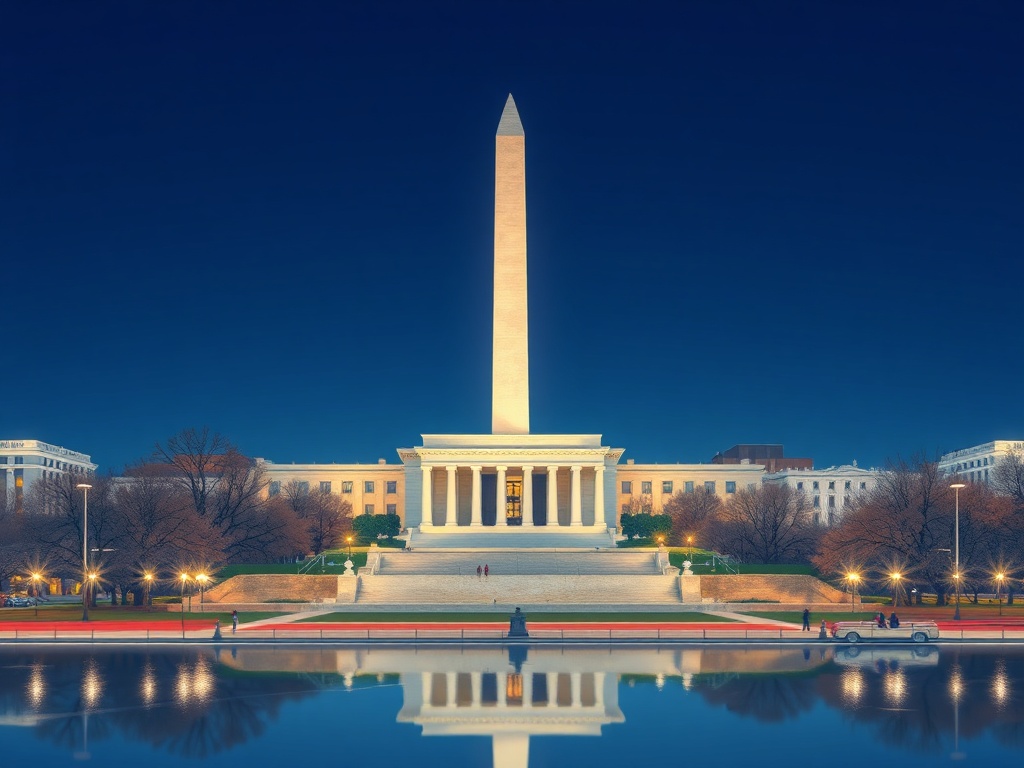
Washington DC is often defined by its iconic monuments, but the city’s real pulse lives in distinct neighborhoods, evolving waterfronts, and a world-class museum scene. Whether you’re on a short city break or a longer stay, exploring beyond the National Mall reveals culture, cuisine, and experiences that make DC feel both historic and surprisingly modern.
Museums and cultural institutions
DC’s museums offer depth and diversity. Many Smithsonian museums provide free admission and cover everything from air and space to American art. Several specialized institutions use timed-entry systems for crowd management, so reserving tickets in advance can save hours. For collectors of contemporary and classical art, independent galleries and the national collections provide an easy way to move between eras and styles on foot. Plan museum visits around quieter hours—weekday mornings typically mean fewer crowds.
Neighborhoods with character
Each neighborhood boasts its own personality:
– Georgetown: cobblestone streets, historic architecture, and upscale boutiques along M Street and Wisconsin Avenue.
Waterfront parks offer relaxed riverside views.
– U Street and Shaw: rich in music history with jazz clubs, trendy restaurants, and vibrant nightlife.
– Adams Morgan: eclectic dining, multi-cultural shops, and lively street life.
– Capitol Hill: tree-lined streets, local markets, and proximity to the legislative core.
– Navy Yard and The Wharf: now home to concert venues, seafood restaurants, and waterside promenades that invite evening strolls.
Food and drink
The culinary scene blends long-standing local favorites with adventurous newcomers. Expect everything from refined tasting menus and international small plates to neighborhood brunch spots and late-night eateries.
Food halls and markets provide convenient options for groups with varied tastes, while a growing craft beverage scene—breweries, distilleries, and cocktail bars—offers local pours and seasonal menus. Reservations help for popular restaurants, and exploring side streets often uncovers hidden gems without the wait.
Getting around
DC’s compact layout encourages walking, biking, and short transit rides. The Metro connects major hubs, but buses and neighborhood circulators fill in gaps and can be more convenient for short trips. Bike-share programs and dedicated protected lanes make cycling increasingly practical. For waterfront areas, consider a kayak or paddleboard rental for a unique view of the city skyline. Comfortable shoes are a must; many of the best discoveries happen on foot.
Practical tips
– Reserve timed-entry tickets for museums that require them, and check for free admission policies.
– Visit popular sites early or late in the day to avoid peak crowds and heat.
– Carry a refillable water bottle; many public fountains are available around parks and cultural sites.
– Use neighborhood markets and food halls for quick, diverse meal options when time is limited.
– Consult transit apps for real-time schedules, and consider off-peak travel for a smoother experience.
DC rewards slow exploration.
Move beyond the postcard views and you’ll find intimate museums, neighborhood coffee shops, rooftop bars with city vistas, and cultural pockets that shift with the seasons. With a little planning, the nation’s capital offers a layered urban experience that balances history, contemporary culture, and local flavor.