The Lincoln Memorial stands as one of the most visited and photographed landmarks on the National Mall in Washington, D.C. Blending neoclassical architecture, powerful symbolism, and a role at the heart of national memory, it’s a must-see whether you’re focused on history, photography, or public events.
Design and symbolism
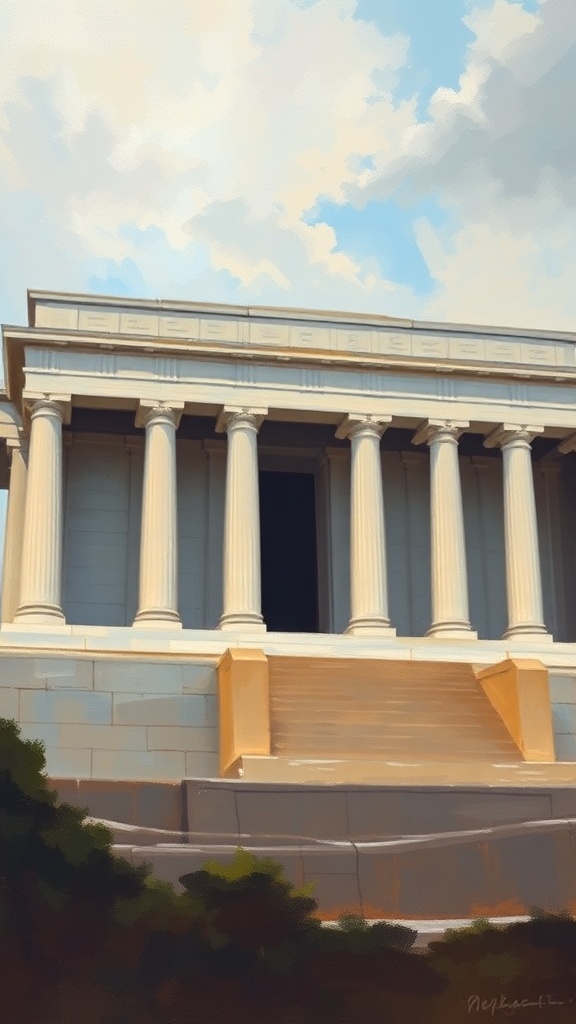
Modeled after a Greek Doric temple, the memorial’s iconic exterior is framed by 36 massive columns—each representing a state that was part of the Union at the time of Abraham Lincoln’s death. Inside, a monumental seated statue of Lincoln commands the chamber, carved to convey both dignity and contemplative resolve.
Flanking the statue are inscriptions of two of Lincoln’s most famous speeches: the Gettysburg Address and the Second Inaugural Address. These engraved texts and the statue together emphasize themes of unity, equality, and national healing.
Civic and cultural significance
The memorial has been a focal point for major civic gatherings and civil rights demonstrations. Its broad steps and elevated platform have served as a stage for historic speeches that shaped public discourse. Because of this legacy, visiting the site offers more than a visual experience—it’s an encounter with living history and a reminder of continued civic responsibility.
Visiting tips
– Timing: Early morning, around sunrise, offers quiet crowds and soft light reflected in the pool, ideal for photography. Evening visits are also rewarding, with dramatic illumination and cooler temperatures.
– Photography: For classic shots, include the reflecting pool and the Washington Monument in the composition. Inside the chamber, shoot from the central aisle to capture the statue framed by the inscriptions.
– Accessibility: The memorial is accessible to visitors using mobility devices. Check official park information for the latest details on ramps and available services.
– Respectful behavior: Remember that this is both a memorial and a public space used for reflection and ceremonies. Keep noise low inside the chamber and be mindful during organized events.
Preservation and maintenance
Conservation work is ongoing to protect the marble and bronze elements from weathering, pollution, and wear from millions of visitors. Restoration projects periodically address structural concerns, clean stonework, and maintain landscaping.
These efforts aim to preserve the memorial’s appearance and structural integrity for future generations while minimizing any disruption to visitors.
Nearby points of interest
The memorial’s location on the Mall places it within walking distance of other significant sites. Visitors often combine a stop here with visits to adjacent monuments and museums, creating a full-day exploration of national history and culture.
Planning your trip
Before heading out, check the National Park Service or official park resources for the latest visitor information, including any temporary access changes, guided tour offerings, or special events. Allow time to linger—sit on the steps, read the inscriptions slowly, and take in the view across the Mall.
That quiet pause often provides the most memorable experience.
Why it endures
More than architectural grandeur, the Lincoln Memorial endures because it encapsulates an ongoing conversation about democracy and equality. Whether you come for history, photography, or reflection, the site invites visitors to connect with the ideals it commemorates and to consider their place in the continuing story.