Georgetown University blends historic campus charm with direct access to the policy, business, and cultural institutions that shape global conversations. Nestled in Washington, D.C., its Jesuit identity and research-driven programs make it a natural fit for students who want classroom rigor combined with hands-on experience.
Academic strengths and signature programs
Georgetown is widely known for its School of Foreign Service, which attracts students interested in international affairs, diplomacy, and global policy.
Complementing that are strong offerings from the McDonough School of Business and the Law Center, alongside vibrant health sciences programs and a range of humanities and STEM departments. Interdisciplinary centers and institutes encourage collaboration across fields, making it easy for students to combine public policy, technology, and business skills.
Location-driven opportunities
One of Georgetown’s biggest advantages is proximity to Capitol Hill, federal agencies, think tanks, and international organizations.
Internships and part-time roles are integral to the student experience, providing networking pathways that often lead to careers in government, nonprofits, international development, and private-sector consulting. The neighborhood’s cafes, historic streets, and waterfront also create an appealing urban campus environment that balances study and city life.
Campus life and student engagement
Student life is lively and diverse, with hundreds of clubs ranging from cultural and religious groups to competitive debate, Model UN, and entrepreneurship organizations. Service is central to campus culture: community engagement and social justice initiatives are woven into student programming, volunteering, and coursework. Residential life fosters tight-knit cohorts, especially within first-year communities and themed housing that support academic and personal growth.
Research, public impact, and global reach
Georgetown emphasizes research with practical impact. Faculty-led projects frequently engage policymakers and community partners, translating scholarship into real-world solutions. The university’s global programs, including study abroad and international research collaborations, allow students to gain on-the-ground experience in regions critical to their fields of study.
Sustainability and campus development
Sustainability initiatives are a visible priority, with campus projects focused on energy efficiency, green building practices, and climate action goals. These efforts reflect a broader commitment to environmental stewardship and to preparing graduates to think critically about sustainability in their professions.
Alumni network and career outcomes
An active alumni community runs deep in public service, law, business, and diplomacy. Alumni frequently return to campus for mentoring, networking events, and recruitment, creating a cycle of opportunity for current students. Career services and industry partnerships help translate campus experiences into internships and full-time positions across sectors.
Choosing Georgetown: what to consider
Prospective students should weigh academic fit, program flexibility, and how much they want direct engagement with policymaking institutions.
The university suits learners who value rigorous academics, interdisciplinary study, and a campus culture oriented toward service and leadership. Those seeking a quieter, more suburban college vibe may prefer different environments, while students drawn to fast-paced civic life will find Georgetown’s location and connections especially advantageous.
Whether you’re pursuing diplomatic service, law, business leadership, or public-interest work, Georgetown’s combination of academic depth, urban access, and community engagement creates a distinctive setting for launching meaningful careers and lifelong networks.
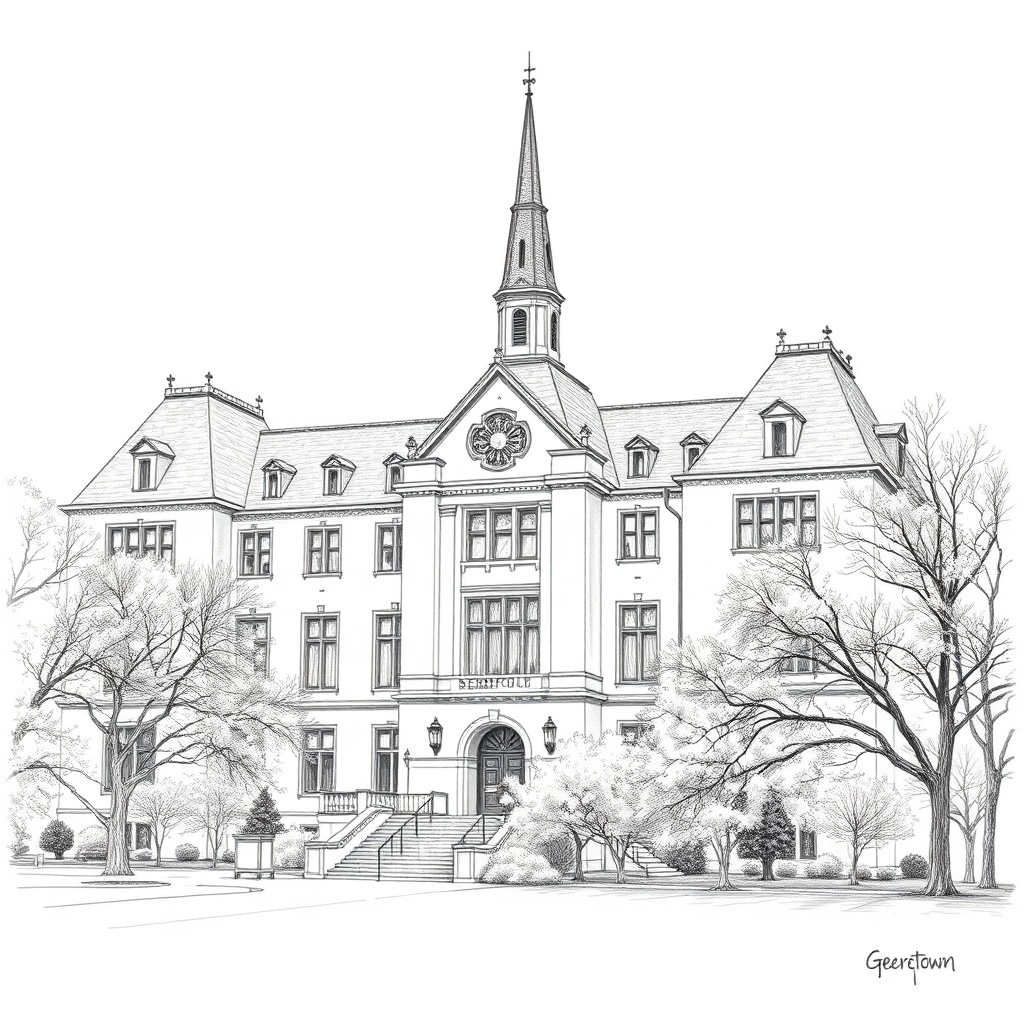
Explore program pages and campus visit options to get a feel for the people, places, and opportunities that define the Georgetown experience.