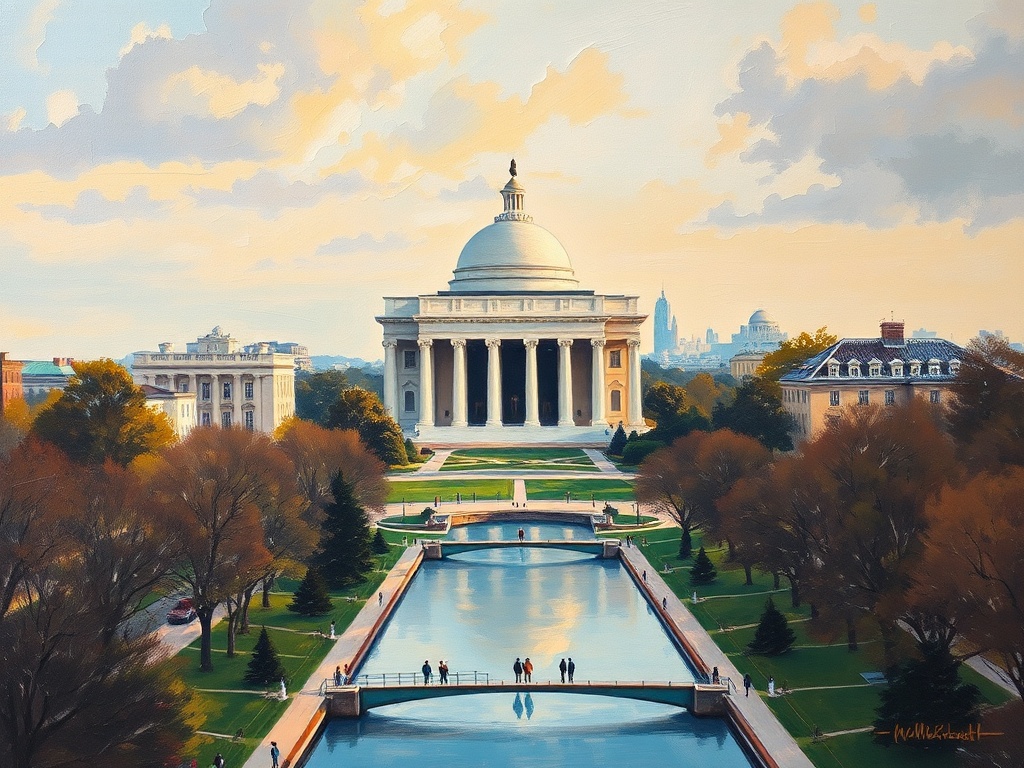
Planning a visit to the National Mall in Washington, DC? This iconic greenspace packs world-class museums, monumental architecture, and reflection spaces into a walkable route that rewards early planning and small practical choices. Whether it’s a first-time trip or a local day out, these tips help make the experience smoother and more memorable.
Why the Mall matters
The Mall links the Capitol to the Lincoln Memorial, framing key symbols of national history and culture. Museums along the Mall offer free admission, making it easy to customize a visit based on time and interests — from art and natural history to air and space. Monuments and memorials provide powerful, photo-friendly moments, while the open lawns and tree-lined promenades invite picnics and people-watching.
How to get there and get around
Public transit is the easiest way to reach the Mall.
Metro stations and bus routes serve multiple access points; check transit alerts before heading out, as maintenance can affect service on weekends. Walking remains the best way to experience the Mall’s layout. Bikes and e-scooters are widely available; use designated racks and stay in bike lanes when present.
For visitors who prefer not to walk long distances, ride-hail services and accessible shuttles provide drop-off points near major attractions.
Timing and pacing
Start early to avoid midday crowds and the warmest part of the day during warmer months.
Many museums open in the morning and close in the evening, so plan a morning museum visit followed by an afternoon monument walk. The Mall’s expansive design makes it tempting to cover too much—focus on a few highlights and enjoy them fully rather than rushing through everything.
Practical essentials
– Shoes: Comfortable, broken-in walking shoes are a must.
The Mall covers several miles end-to-end once monuments and museums are included.
– Water and snacks: Hydration stations are available at some museums, and vendors operate seasonally.
Bringing a refillable bottle reduces costs and waste.
– Restrooms: Museum restrooms are reliable options; public restroom locations can be sparse between buildings, so plan stops accordingly.
– Bags and security: Security screenings are common at museum entrances; oversized bags may be restricted. Leave valuables at your hotel or keep them secure.
Accessibility and family-friendly tips
Most museums and major monuments offer accessible entrances, ramps, and elevators. Wheelchair users can navigate the core Mall corridor, though some memorial designs include steps that require alternate viewing angles. Families will appreciate strollers for young children, but expect some cobblestone or gravel surfaces near certain memorials—carry niños as needed.
Photography and respectful behavior
The Mall is a top photo destination. For portrait or drone photography, check permit requirements—drones are generally restricted.
When visiting memorials, observe quiet zones and avoid obstructing others’ views. Respect law enforcement directions during ceremonies or official events.
Make the visit memorable
Plan around a theme—art, science, presidential history, or civil rights—and choose museums and monuments that match. Combine a museum tour with a guided walking or bike tour for deeper context. Leave room for spontaneous moments: live performances, pop-up exhibits, and seasonal blooms can transform a well-planned day into an unforgettable one.
With thoughtful planning and a flexible schedule, a day on the National Mall becomes a rich mix of learning, reflection, and leisure—one of the best ways to experience Washington, DC’s public heart.