The White House remains one of the most recognizable symbols of national leadership, blending living history, public access, and active governance in a single address. For people interested in architecture, politics, or culture, there are multiple ways to engage with this iconic residence beyond watching televised events.
Public access and tours
Interest in visiting the White House often centers on tours and public programming. Access is limited and requires advance planning: domestic visitors typically request tours through their congressional representatives, while international visitors often work through their embassies or travel organizers. Security screenings, photo and bag restrictions, and ID requirements are standard, so checking official guidance before planning a visit helps avoid surprises.
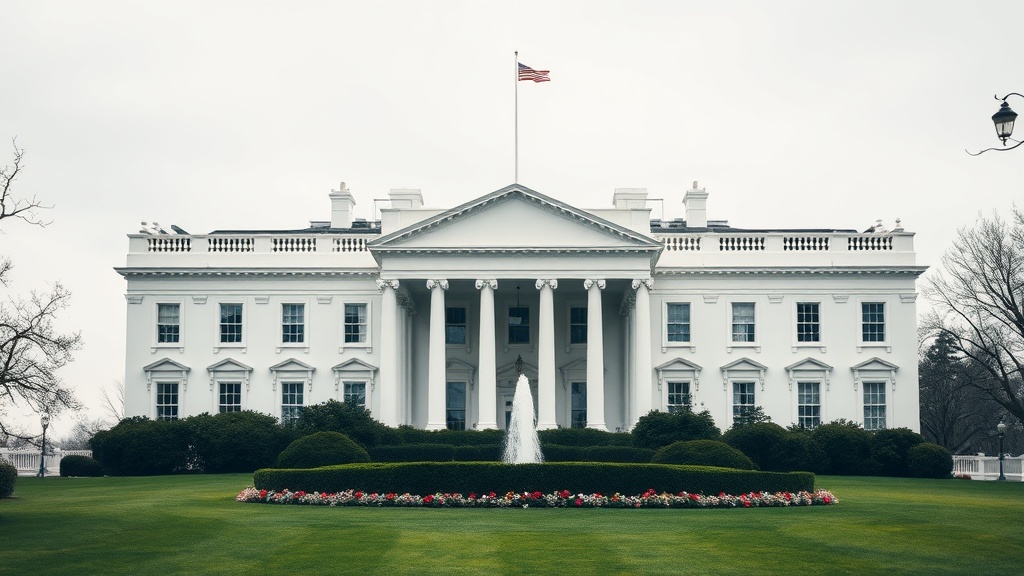
Tours usually highlight historic rooms, notable state spaces, and rotating exhibits that reflect the building’s role as both a home and a working seat of government. Special events and seasonal displays also create unique opportunities for repeat visits. For those who can’t make it in person, many public programs and exhibits are shared digitally, expanding access beyond the gates.
Preservation and living history
Maintaining the White House is a careful balance between preservation and daily use. Conservation teams work to protect artwork, furniture, and historic fabrics while upgrading systems needed for modern life and security. Restoration projects are typically overseen with attention to historical accuracy, using archival research and traditional techniques when possible.
The residence’s layered history—reflected in architectural updates and decorative changes made by different occupants—offers a tangible way to explore the evolving story of the nation.
Educators and tour planners often use these layers to create thematic tours focused on design, diplomacy, or domestic life.
Gardens, grounds, and sustainability
The White House grounds offer more than ornamental beauty; they function as event venues, habitats, and living laboratories for sustainable landscaping.
Public-facing areas like the Rose Garden are frequently used for ceremonies and announcements, while kitchen gardens and pollinator-friendly plantings showcase an interest in local food and biodiversity.
Recent initiatives have emphasized sustainability through energy-efficiency upgrades, native plantings, and water conservation strategies. These changes aim to reduce environmental impact while demonstrating how historic properties can adopt greener practices without compromising heritage values.
Digital engagement and transparency
Public interest in the White House extends into the digital realm. Official platforms provide livestreams of major announcements, virtual tours, and curated photo galleries that make interior spaces and events accessible to wider audiences. Press briefings and official communications channels remain key sources for real-time information about policy and programming.
Social media and virtual events also offer educators and civic groups tools to connect students and communities with history and civics. These resources help cultivate informed engagement, whether the goal is classroom learning, community outreach, or personal enrichment.
Practical tips for visitors
– Start planning early and consult official channels for booking procedures and security rules.
– Expect restrictions on bags, large items, and certain electronics; pack light.
– Combine a White House visit with nearby cultural sites to make the most of a trip to the national capital.
– Explore digital offerings before or after a visit to deepen context and appreciation.
The White House continues to function as a dynamic intersection of history, politics, and public life. By blending careful preservation with modern outreach and sustainable practices, it remains not just a historic residence but an active venue for national conversation and civic engagement.