Washington, DC’s restaurant scene mixes high-end tasting menus with lively neighborhood joints, creating a dining landscape that rewards both planned evenings and spontaneous meals. Whether seeking a power lunch near downtown, a late-night bite after a show, or a weekend brunch with friends, knowing the neighborhoods and trends helps make the most of the city’s culinary offerings.
Neighborhoods to know
– Penn Quarter/Chinatown: Great for pre-theater dining and upscale plates close to major venues.
Expect chef-driven menus and polished service.
– U Street/Shaw: A hub for nightlife and eclectic eats—soul food, modern American, and late-night spots that stay lively long after dinner service.
– Logan Circle/14th Street: Stylish dining rooms and cocktail bars, ideal for celebratory dinners and progressive tasting menus.
– Navy Yard/The Wharf: Waterfront views and seafood-forward concepts attract both locals and visitors seeking fresh, seasonal fare.
– Adams Morgan and Columbia Heights: Diverse, casual dining options featuring international cuisines, from Caribbean to Latin American spots.
– Union Market and food halls: A quick way to sample multiple vendors, artisan products, and creative street-food styles in one spot.
Dining trends shaping the scene
– Farm-to-table and seasonal menus: Many kitchens prioritize local farms and seasonal produce, changing dishes frequently to showcase peak ingredients.
– Vegetable-forward plates: Plant-based and veggie-centric courses are appearing alongside traditional protein-driven menus, not just as an afterthought.
– Tasting menus and wine pairings: Expect curated multi-course experiences at chef-led establishments, often with thoughtful beverage programs.
– Casual fine dining: Elevated food in relaxed settings—great for those who want high-quality cooking without formalities.
– Specialty cocktails and natural wine: Bars emphasize craft cocktails and expanded wine lists, including low-intervention and small-producer bottles.
How to plan a night out
– Reservations and walk-ins: Use reservation platforms for popular spots, but leave room for walk-in adventures—some of the city’s best meals happen without a reservation. Arrive early for walk-in-friendly restaurants or happy hour windows.
– Happy hour value: Look for happy hour menus in business districts and neighborhoods after work for discounted small plates and drinks.
– Brunch culture: Brunch is competitive—plan to arrive early or snag a reservation for weekend spots known for long lines.
– Tipping and service: Standard tipping practices apply; many restaurants display gratuity policies for larger parties or offer suggested amounts.
Budget-friendly tips
– Food halls and markets: Ideal for sampling diverse cuisines economically.
– Lunch specials: Many restaurants offer prix-fixe lunch menus for a lower-cost way to try chef-driven food.
– Ethnic neighborhoods: Explore authentic, affordable meals in multicultural corridors for excellent value and variety.
Sustainability and accessibility
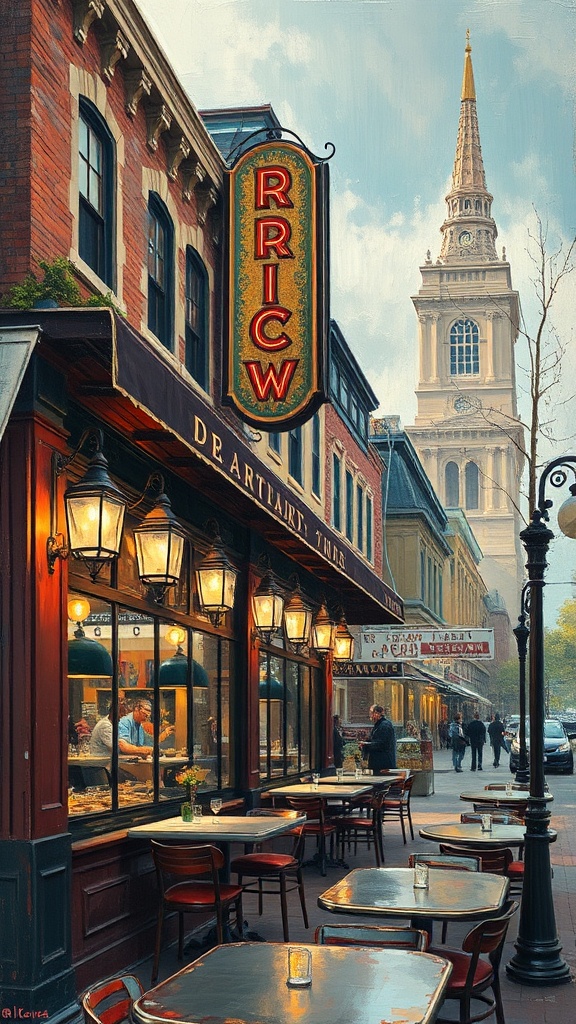
– Many restaurants now highlight sustainable sourcing, reduced-waste efforts, and vegetarian/vegan options. Check menus online or call ahead for specific dietary needs.
– Accessibility information and menu allergy details are often posted on restaurant websites or reservation pages—call if information is not clear.
Whether craving a refined tasting menu, a neighborhood favorite, or a buzzy food-hall discovery, Washington, DC’s restaurants offer something for every appetite.
Planning around neighborhoods, trends, and reservation habits will unlock some of the city’s best dining experiences.