Washington, DC blends a powerful civic presence with a lively cultural scene and surprisingly walkable neighborhoods.
Whether visiting for museums, monuments, food, or politics, a smart plan turns a busy itinerary into a memorable city experience.
Getting around
DC’s transit options make exploration efficient. The Metrorail and Metrobus cover major corridors, while the DC Circulator connects tourist hotspots affordably.
For short trips, Capital Bikeshare and e-scooters are widely available; many neighborhoods are best experienced on foot. Rideshares and taxis work well for late nights or destinations off transit lines. Allow extra time for security checkpoints near federal buildings and for events that can affect traffic.
Must-see attractions
The National Mall remains a must-visit: it’s home to iconic monuments and several free Smithsonian museums. Popular museums draw big crowds, so check venues for timed-entry or reservation policies and arrive early for the best experience. For a quieter cultural stop, seek out smaller institutions and neighborhood galleries that highlight local artists and community histories.
Neighborhoods worth exploring
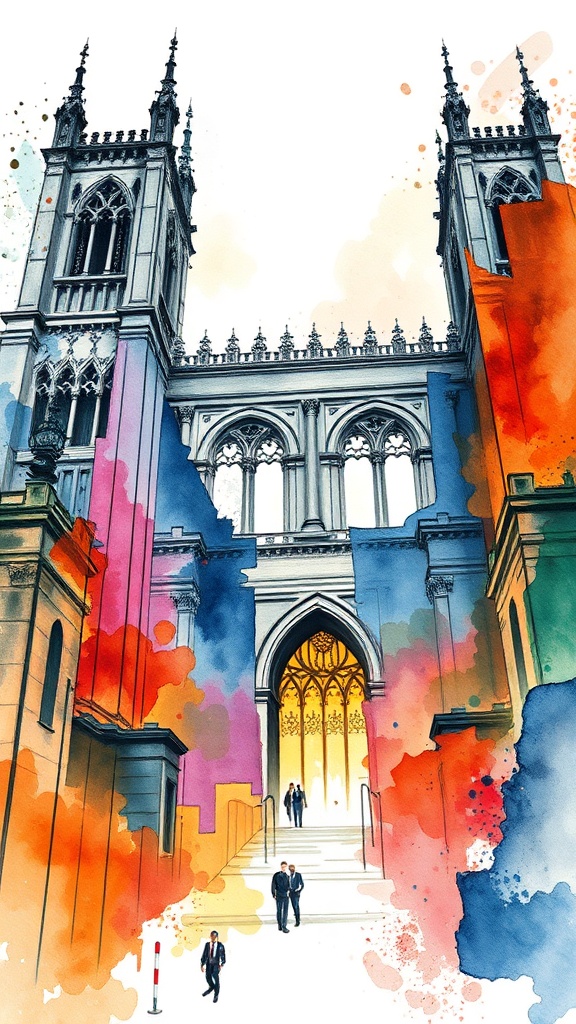
– Georgetown: Historic streets, waterfront trails, boutique shopping, and lively dining make it ideal for strolling.
– Dupont Circle: A hub of bookstores, embassies, and cafe culture with vibrant nightlife and weekend markets.
– U Street and Shaw: Rich in music history, these neighborhoods offer jazz clubs, innovative restaurants, and cultural landmarks.
– Capitol Hill and Eastern Market: Combine classic architecture with a bustling food market and artisan stalls.
– H Street NE and NoMa: Known for eclectic food halls, breweries, and performance venues.
Food and drink
DC’s dining scene ranges from Michelin-starred restaurants to beloved local joints. Food halls and markets are excellent for sampling local flavors—look for seasonal offerings and chef-driven pop-ups. For a true local vibe, plan brunch or dinner in a neighborhood off the tourist path and try regional specialties alongside international cuisines brought by the city’s diverse communities.
Cultural life and events
DC’s cultural calendar is packed with music, theater, and public festivals. Many institutions host free or low-cost programming, including late-night museum openings and outdoor concerts. Keep an eye on neighborhood calendars for art walks, farmers markets, and community performances that reveal a different side of the city.
Practical tips
– Dress comfortably and check weather forecasts—layers work best for sudden changes.
– Security procedures at major sites can include bag checks; avoid large bags and prohibited items.
– Book popular tours and restaurant reservations ahead of time, especially for evening dining and guided tours of Capitol or memorial interiors.
– Public demonstrations and official events are common; they’re peaceful expressions of civic life but can alter transit and street access—plan alternatives when attending crowded areas.
Safety and etiquette
DC is generally safe in well-trafficked areas, but standard urban precautions apply: stay aware, use well-lit routes at night, and keep valuables secure.
Respect memorials and museum rules—these are spaces of national significance and public reflection.
Sustainable travel
Many visitors choose bike or transit options to reduce their footprint.
Several neighborhoods promote walkability and green space, making sustainable choices both practical and enjoyable.
With a mix of landmark sites and neighborhood discoveries, DC rewards visitors who balance classic attractions with local exploration. A little planning, flexible timing, and a curious mindset unlock the city’s most rewarding experiences.