Washington DC blends iconic monuments, vibrant neighborhoods, and a surprisingly dynamic food and culture scene, making it a compelling destination whether visiting for a weekend or exploring like a local. Here’s a practical guide to what to see, where to eat, and how to get around.
Top attractions and must-see sights
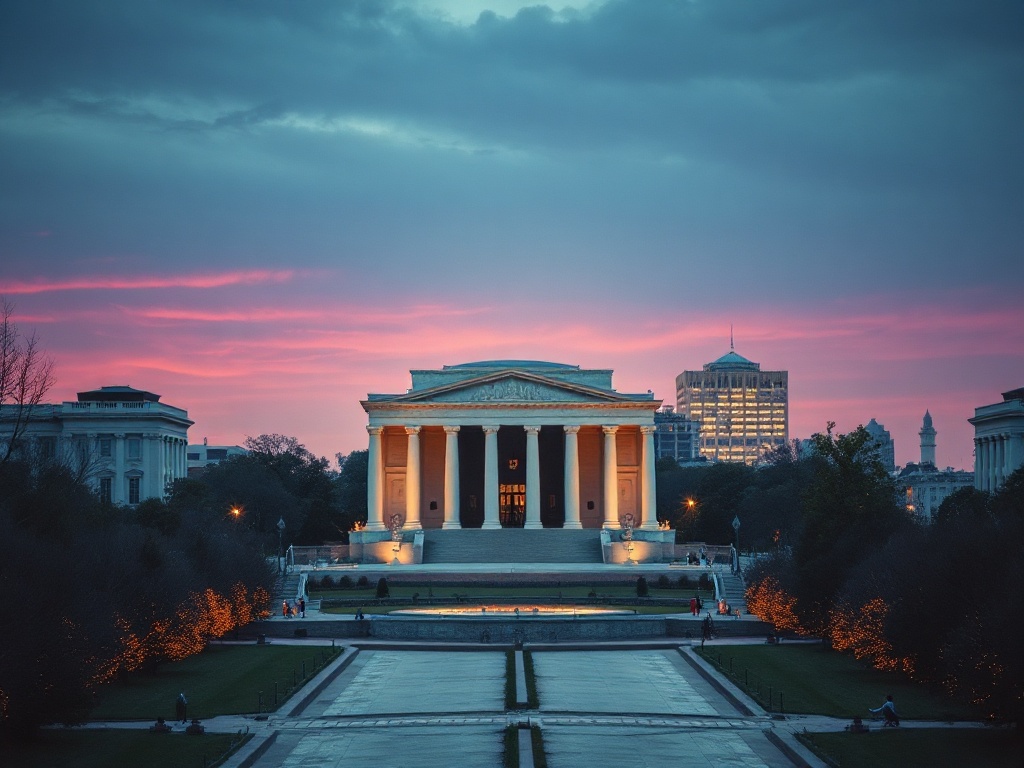
The National Mall anchors the city’s must-see attractions: the monuments, memorials, and broad green spaces invite walking and reflection.
Nearby, the Smithsonian museums offer world-class collections with free admission to many galleries — ideal for museum lovers on any budget. Beyond the Mall, the U.S. Capitol, the Supreme Court, and the National Archives showcase democracy and history up close.
For a quieter escape, Rock Creek Park and Theodore Roosevelt Island provide leafy trails and a nature contrast to the urban core.
Neighborhoods to explore
Each neighborhood has a distinct personality. Georgetown offers historic streets, high-end shops, and waterfront dining.
Dupont Circle mixes bookshops, embassies, and a bustling cafe culture. U Street and Shaw are hubs for live music, jazz history, and food innovation.
The Wharf and Navy Yard along the river showcase lively piers, seafood restaurants, and scenic promenades. East of the river, Anacostia is emerging with new cultural venues and community-driven experiences.
Food and drink
The food scene ranges from food trucks and casual counters to Michelin-starred restaurants. Don’t miss regional specialties like the half-smoke, while Ethiopian cuisine near 14th Street remains a longtime staple. Farmer’s markets and pop-up dinners keep the local culinary calendar fresh, and rooftop bars offer skyline views during warm evenings.
For budget-friendly options, look for happy hour specials and lunch deals at neighborhood favorites.
Practical tips for getting around
The city is highly walkable in its core, and a compact downtown makes it easy to combine multiple stops in one day.
Public transit covers most destinations: Metro rail and buses serve major corridors, while circulator buses fill in key tourist routes. Bike-share networks and scooter rentals offer flexible short-trip options, and rideshares are convenient after hours. Parking can be limited and costly downtown, so consider transit or park-and-ride options when possible.
Seasonal highlights and events
Seasonal festivals and outdoor programming keep the calendar lively.
Spring brings cherry blossoms and waterfront awakenings; summer features outdoor concerts and day-long cultural festivals; fall offers crisp walks and leafy colors; and winter can be quieter, with museum time and festive markets. Outdoor event schedules vary, so checking listings before planning helps maximize experiences.
Local tips and lesser-known finds
– Visit Meridian Hill Park for its cascading fountains and community drum circle on certain weekend afternoons.
– Explore Kenilworth Aquatic Gardens for a peaceful escape with lotus and waterlily beds.
– Head to The Yards Park for waterfront walks and splash-friendly public spaces.
– Catch free performances on stages like the Kennedy Center’s daily program for accessible arts experiences.
Safety and accessibility
Like any major city, staying aware of surroundings and planning travel during well-lit, populated times is wise. Most museums and public buildings prioritize accessibility, but checking individual venue policies and entrance points helps avoid surprises.
Whether drawn by history, politics, food, or outdoor spaces, Washington DC rewards curious visitors who take time to walk neighborhoods, try local flavors, and seek both iconic sights and hidden corners. Pack comfortable shoes and an open schedule—there’s always something new to discover.