Washington DC’s waterfronts are among the city’s most dynamic public spaces, blending riverside recreation, dining, and cultural life along the Potomac and Anacostia. Whether seeking a peaceful stroll, a paddle on the water, or a lively evening out, the city’s river edges offer accessible experiences for residents and visitors alike.
Highlights along the Potomac
– Georgetown Waterfront Park: A long-time favorite for scenic walks, people-watching, and riverfront sunsets. The stepped plaza and riverside paths make it easy to relax with a view of the Kennedy Center across the water.
Nearby restaurants and coffee shops add convenience after a walk along the towpath.
– The Wharf: A mixed-use waterfront neighborhood with restaurants, music venues, and public piers.
Outdoor seating, festivals, and boat tours create a lively atmosphere. The Wharf is also a hub for water taxis connecting to Alexandria and National Harbor.
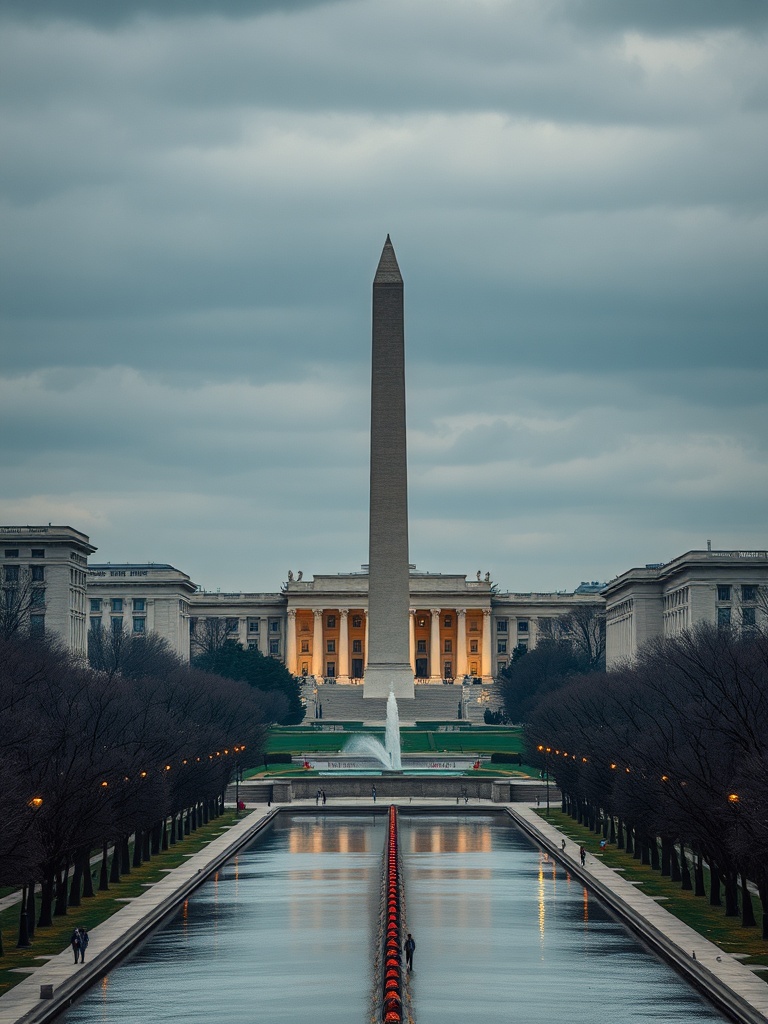
– West Potomac Park & Tidal Basin: Known for expansive greenspace, cherry trees, and iconic monuments along the mall, this stretch is ideal for walking, biking, and taking in capital views.
Anacostia’s Rising Profile
The Anacostia River waterfront has seen thoughtful investment and community-led revitalization. Parks, trails, and new cultural spaces invite exploration beyond the city’s more frequented riverfronts. The Anacostia Riverwalk Trail connects neighborhoods, providing a quieter, more residential river experience with opportunities to learn about local ecology and history.
Active Water Recreation
Kayaking, paddleboarding, and guided eco-tours are popular ways to experience DC from the water. Rental providers operate at several piers and parks, offering everything from hourly kayaks to narrated boat tours that point out architecture, wildlife, and historic sites. For those who prefer a gentler option, sightseeing cruises and water taxis offer scenic transport between waterfront destinations.
Practical tips for visitors
– Getting there: Several Metro stations and Circulator routes serve waterfront neighborhoods; Capital Bikeshare docks are widely available for short trips. Water taxis add a scenic alternative and reduce travel time between key points.
– Best times: Early morning and late afternoon provide softer light and cooler temperatures for walking or photography. Weekend evenings bring live music and a lively restaurant scene at places like The Wharf and Navy Yard.
– Safety and comfort: Bring sun protection and water during warm days. Life jackets are required for some rental activities—always follow operator guidance.
Check tide and weather conditions if planning extended time on the water.
– Accessibility: Many riverfront parks feature level pathways, ramps, and public restrooms. Confirm specific accessibility needs with individual sites or rental providers.
Community and conservation
Waterfront revitalization goes hand-in-hand with environmental stewardship. Local groups organize regular cleanups and educational programs focused on water quality and native habitats. Participating in these efforts or choosing operators with sustainable practices helps support long-term health of the rivers.
Where to eat and unwind
Waterfront neighborhoods offer a range of dining options, from casual seafood shacks and food markets to upscale riverside restaurants.
Look for outdoor seating to make the most of waterfront views, and check event calendars for seasonal markets, live music, and outdoor movies.
Exploring Washington DC from the water reveals a different perspective of the city—one that combines recreation, history, and community energy. Whether paddling beneath bridges or sipping coffee by a pier, the waterfronts invite lingering and discovery.