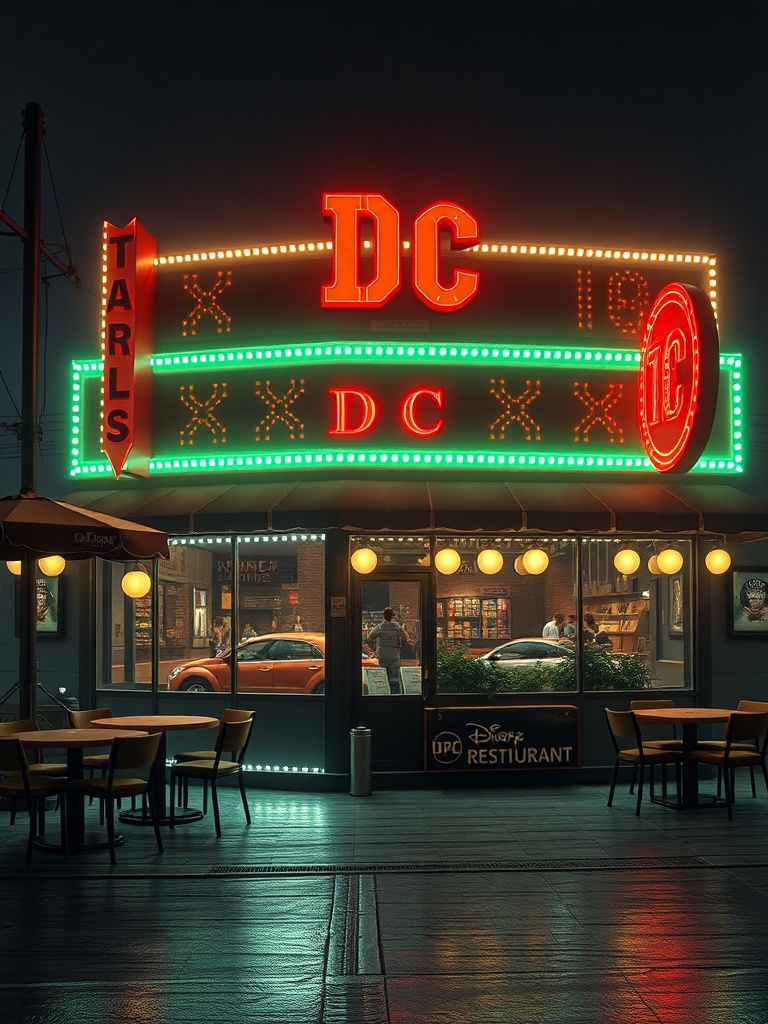
Dining in Washington, D.C.: A Neighborhood Guide and What’s Trending
Washington, D.C.’s restaurant scene blends political power with creative culinary energy, offering everything from late-night comfort food to refined tasting menus. For visitors and locals alike, discovering the city’s neighborhoods is the best way to unlock a mix of iconic institutions and emerging chef-driven spots.
Where to eat by neighborhood
– Georgetown: Expect classic American fare and waterfront views. Upscale bistros sit beside cozy bakeries and well-established seafood restaurants, making it a reliable pick for a polished night out.
– U Street and Shaw: Known for live music and a vibrant nightlife, these neighborhoods are great for discovering soul food, Ethiopian restaurants, and inventive cocktail bars. Many spots keep late hours, perfect for post-show dining.
– Logan Circle and Dupont Circle: A concentration of wine bars, modern American restaurants, and contemporary brunch spots. These areas are ideal for relaxed meals that prioritize seasonal ingredients.
– Capitol Hill and Eastern Market: Historic charm meets neighborhood staples.
Market stalls, casual eateries, and restaurants focused on local sourcing create a lively daytime dining scene.
– Navy Yard and Penn Quarter: Close to major attractions, these neighborhoods offer seafood-forward menus, rooftop bars, and bustling dining corridors that suit groups and visitors.
Cuisines and signature bites
Ethiopian cuisine is a cornerstone of the city’s identity, with hearty stews served family-style on injera. For a quintessential local snack, the half-smoke sausage—often enjoyed with chili or mustard at long-running counters—is a must-try. Seafood, especially oysters and Chesapeake-inspired dishes, remains a highlight, reflecting the region’s coastal influences. Contemporary restaurants balance global flavors with Mid-Atlantic produce, making tasting menus and vegetable-forward plates increasingly common.
Dining trends to watch
– Hyper-local sourcing: Many kitchens partner with nearby farms and purveyors to showcase seasonal produce and sustainable proteins.
– Plant-forward menus: Meatless mains and creative vegetable preparations are now mainstream, not niche, making it easier for vegetarian and vegan diners to find satisfying options.
– Cocktail and wine programs: Bars emphasize craft cocktails, low-intervention wines, and unique pairings, often led by bartenders who treat their menus like culinary complements.
– Casual fine dining: Expect tasting menus and chef’s tables alongside more approachable prix-fixe options that broaden accessibility without sacrificing technique.
– Pop-ups and supper clubs: Small, temporary experiences provide a way to taste rising chefs and experimental cuisine before they open permanent locations.
Tips for a better night out
– Book ahead for popular restaurants and weekends; many places use reservation apps and keep some seats for walk-ins.
– Check outdoor seating options if you prefer patios or rooftops, and confirm weather policies when planning.
– Use neighborhood dining guides to plan multi-restaurant evenings—start with small plates and move to a main course elsewhere if you want variety.
– Communicate dietary needs when booking; most kitchens accommodate allergies and preferences if told in advance.
– Be mindful of transit and parking—several dining districts are best accessed by public transit or rideshare.
Why D.C.
dining stands out
The city’s food scene reflects its diverse population and international influences, producing a culinary landscape that can satisfy a quick, iconic bite or an elaborate multi-course experience. Whether exploring long-established favorites or seeking the next buzzy newcomer, D.C. restaurants reward curiosity and appetite with thoughtful flavors and a strong sense of place.