The Lincoln Memorial stands as one of the most recognizable symbols of American history and civic life. Anchoring the western end of the National Mall, the memorial offers a powerful blend of architecture, sculpture, and inscriptions that invite reflection on leadership, unity, and the unfinished work of democracy.
Architectural and artistic highlights
The memorial’s design echoes classical Greek temples, with a colonnade that evokes both permanence and dignity. Each column represents a state in the Union at the time of Lincoln’s death, reinforcing themes of national unity. Inside, a monumental seated statue of Abraham Lincoln commands the chamber.
The sculptor’s attention to gesture and expression makes the statue a focal point for visitors seeking a contemplative experience.
Two large inscriptions—the Gettysburg Address and the Second Inaugural Address—are carved on the interior walls. Their concise, resonant language continues to be quoted in speeches, ceremonies, and moments of national reflection. The memorial’s orientation toward the Reflecting Pool and the nearby Washington Monument creates dramatic sightlines that make photographs and sunset views particularly compelling.
Civic role and cultural significance
The Lincoln Memorial is more than a static monument; it has long served as a venue for civic gatherings, protests, and celebrations.
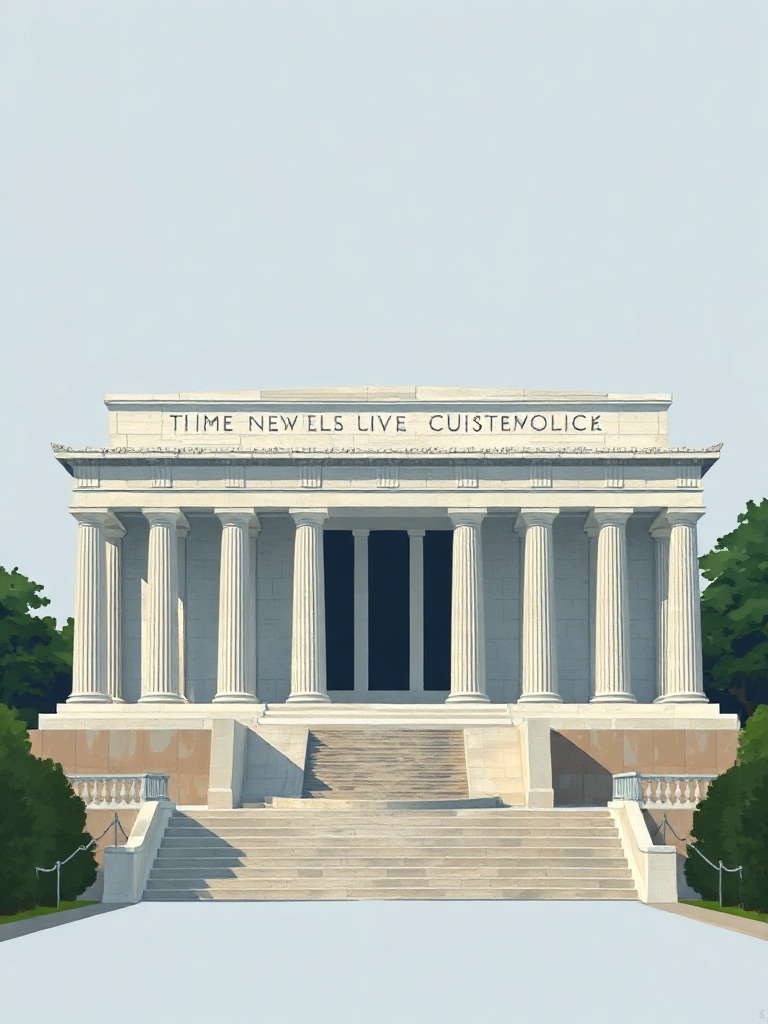
It has become a backdrop for pivotal speeches and public actions that shaped the nation’s social and political landscape. Vigils, commemorations, and demonstrations regularly take place on the steps and surrounding plaza, underlining the memorial’s role as a living symbol of democratic engagement.
Visiting tips
– Best time to visit: Early morning offers quieter conditions and softer light for photography. Late afternoon and just after sunset produce dramatic silhouettes and reflections over the pool. Nighttime illumination highlights the statue and inscriptions and is ideal for contemplative visits.
– Photography: For a classic shot, frame the statue with the Reflecting Pool and Washington Monument in the background. Use a wider lens for interior shots to capture both the statue and the carved addresses.
– Crowds: Weekends and midday hours can be busiest. If you prefer solitude, aim for weekday mornings or stay into the early evening when crowds thin.
– Accessibility: The memorial is accessible to visitors with mobility needs, with ramps and pathways connecting to surrounding areas. Check National Park Service resources for the most up-to-date accessibility details and ranger-led programs.
– Practicalities: Expect security screenings at times of large events. Restrooms and visitor facilities are located nearby on the Mall, and public transit offers convenient access.
Preservation and respect
Ongoing conservation work helps preserve the memorial’s marble and limestone surfaces, protect historic inscriptions, and maintain landscaping around the Reflecting Pool.
Visitors are asked to treat the site with respect—avoid climbing on monuments, leave no trace, and follow posted guidelines.
Nearby attractions
The memorial sits within walking distance of other major landmarks along the National Mall, including museums, monuments, and federal sites. Pairing a visit with a stroll by the Reflecting Pool or a walk toward the museums creates a fuller understanding of the Mall’s layered history.
Whether approached as a site of architecture, art, or civic memory, the Lincoln Memorial invites quiet reflection on leadership and national purpose. A visit can be both a photographic opportunity and a moment to consider ideas about unity, freedom, and the responsibilities that accompany citizenship.