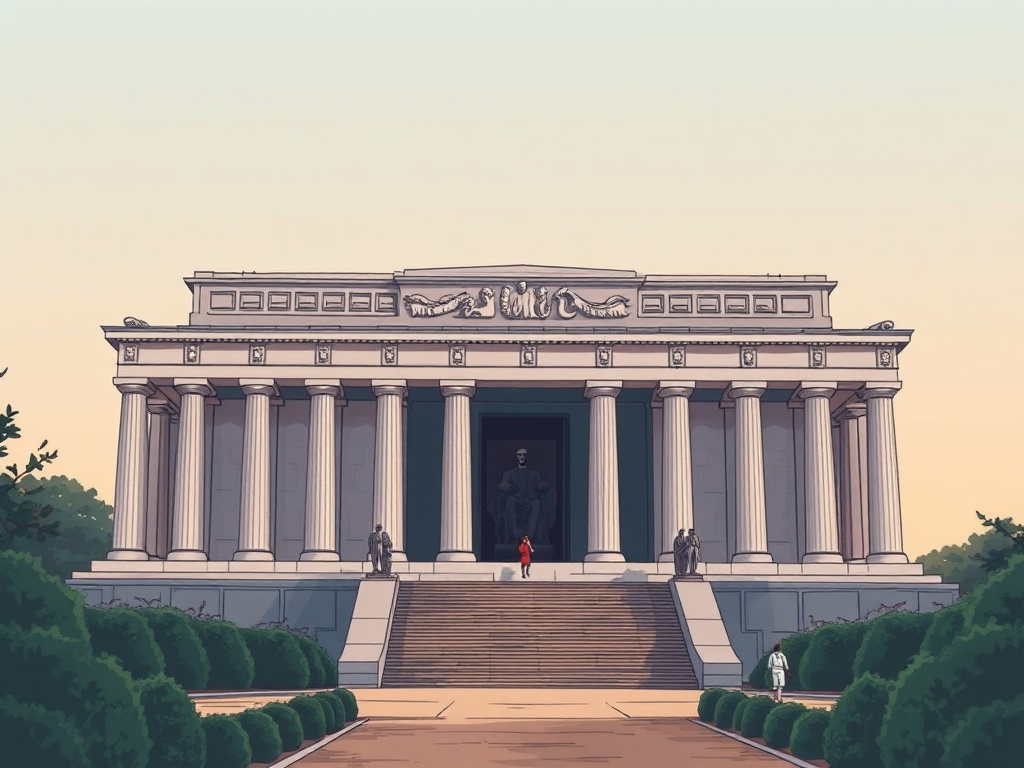
The Lincoln Memorial stands as one of the nation’s most recognized landmarks, blending neoclassical architecture, powerful symbolism, and public gathering space on the National Mall. Whether you’re a first-time visitor or a repeat traveler, there’s always more to discover beyond the iconic seated statue and the long view down the Reflecting Pool.
Why the memorial matters
At its core, the memorial honors the legacy of Abraham Lincoln through art and inscription. The monumental seated figure commands the interior chamber, surrounded by engraved excerpts of two of Lincoln’s most famous speeches.
The exterior’s Doric columns and temple-like silhouette recall classical ideals of democracy and civic virtue, making the memorial a visual anchor for national reflection, civic events, and cultural moments.
What to notice on a visit
– Sculpture and inscriptions: Take time to read the large inscriptions framing the walls.
They reveal the ideals that guided Lincoln’s leadership and are integral to the memorial’s message.
– Architectural details: Notice the scale, proportion, and materials — marble and limestone combine to create a solemn, enduring aesthetic. Small details like column capitals, friezes, and stair treatments reward a closer look.
– The perspective: The view from the steps toward the Washington Monument and the Reflecting Pool is a classic photo composition. Early morning or late evening light often produces the most dramatic images.
Visitor experience and practical tips
– Timing: The memorial and surrounding grounds are accessible around the clock, while ranger programs and visitor facilities follow National Park Service schedules. Early mornings and late evenings are less crowded for photography and quiet reflection.
– Crowd management: Popular holidays and weekends attract large crowds.
Plan extra time if visiting during peak periods.
– Getting there: Public transit, walkability, and bike options make the memorial easy to reach from downtown. Nearby paths and bike racks help integrate a visit into a larger National Mall itinerary.
– Accessibility: The site includes accessible routes and services; check official National Park Service guidance for the most current accessibility information.
– Respectful behavior: The memorial is both a tourist destination and a civic space used for ceremonies and protests. Observing posted rules and showing respect for others enhances the experience.
Conservation and interpretation
Ongoing preservation work keeps the memorial stable and welcoming for visitors. Conservation efforts address stone conservation, moisture control, and the effects of pollution and visitor use.
Interpretive programming, ranger-led talks, and audio tours provide historical context and help visitors connect the symbolism of the site to broader themes in American history.
Enhancing your visit with technology
Modern visitors often complement in-person exploration with digital resources: official audio guides, mobile apps, and online exhibits offer layered context for the statues, inscriptions, and historical events associated with the memorial. These tools are useful for preparing a visit or deepening understanding after a tour.
Why make the time
The Lincoln Memorial remains a powerful space for reflection and education.
As a centerpiece of the National Mall, it invites visitors to consider leadership, freedom, and national identity while offering memorable vistas and meaningful public programming. Plan a thoughtful visit, take time to read and reflect, and use available resources to deepen the experience.