The Lincoln Memorial stands as one of the most recognizable monuments on the National Mall, blending classical architecture, powerful symbolism, and a continuing role in public life. Whether you’re planning a first visit or returning for a deeper look, the memorial rewards attention to detail and context.
Design and symbolism
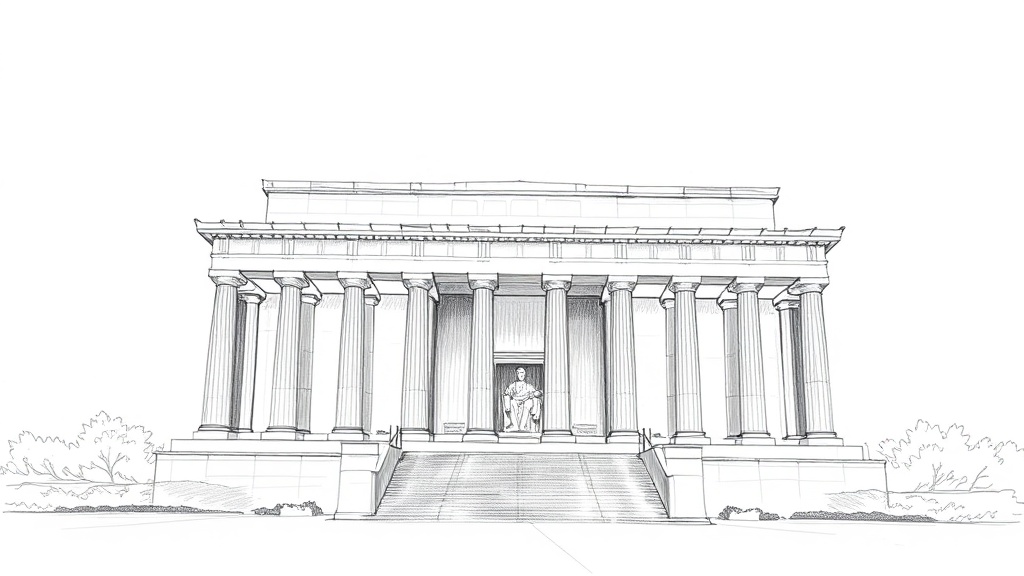
The memorial’s temple-like exterior, with its colonnade of Doric-style columns, evokes ancient ideals of democracy and civic virtue. Each of the columns represents a state in the Union at the time of Lincoln’s death, while the interior houses a monumental seated sculpture of Abraham Lincoln by Daniel Chester French. Inscriptions of two of Lincoln’s most important addresses are carved into the walls, creating a contemplative space that links visual power with civic language.
Civic and cultural significance
More than an architectural landmark, the memorial has been a stage for public life.
The steps and plaza have hosted major gatherings, vigils, and historic speeches that helped shape the civil rights movement and national conversation. That ongoing role makes the site both a tourist destination and a living public forum—one where history and present-day civic engagement intersect.
Practical visitor tips
– Timing: Early morning and late evening are best for avoiding crowds and capturing the soft light on the Reflecting Pool. Nighttime visits offer dramatic illumination and a quieter atmosphere.
– Access: The memorial is located at the west end of the National Mall and is reachable by public transit, bike, or a walk along the Mall. The grounds are accessible to visitors of all abilities; accessible routes and seating are available.
– Respect: The memorial functions as both a public monument and a solemn space. Keep noise to a minimum, follow posted rules during ceremonies or events, and be mindful of ongoing memorial activities.
– Safety and logistics: Large events and demonstrations are common; check park service notices for temporary closures or security screenings. Light layers and comfortable shoes are recommended for walking the Mall.
Photography and viewpoints
For photography, the classic composition uses the Reflecting Pool to capture the memorial and its reflection, especially effective at sunrise. A low-angle shot from the pool edge emphasizes symmetry and scale. Night photography benefits from a tripod and longer exposures to capture the illuminated statue and inscriptions.
Interior shots should respect quiet hours and other visitors.
Nearby places to explore
The memorial sits within a short walk of several other significant sites, including the Reflecting Pool and nearby war memorials that together create a powerful narrative of national memory.
Museums lining the Mall offer deeper historical context, while the surrounding parkland provides pleasant routes for walking or cycling.
Conservation and stewardship
Careful preservation keeps the memorial in strong condition for future visitors.
Conservation work is periodically carried out to protect the stonework, sculpture, and inscriptions from weathering and wear. Visitors can support these efforts by following guidelines, avoiding touching delicate surfaces, and participating in public programs that promote stewardship.
A place to reflect and engage
The Lincoln Memorial remains a vital destination for reflection, remembrance, and civic expression. Whether drawn by architecture, history, or the desire to witness a site of national significance, visitors will find a layered experience that rewards thoughtful observation and respectful participation.