Washington DC restaurants offer a rich mix of culinary traditions, neighborhood gems, and trend-forward dining experiences.
Whether you’re hunting for late-night bites after a show, a vibrant food hall meal, or an elevated tasting menu, the city’s dining scene rewards curiosity and advance planning.
What to expect from DC dining
DC blends global flavors with regional ingredients. Expect outstanding seafood influenced by nearby Chesapeake Bay—oysters, crab, and sustainably sourced fish—alongside a strong Ethiopian presence concentrated around certain neighborhoods. Modern chef-driven tasting menus exist side-by-side with casual neighborhood bistros, robust happy hours, and inventive plant-based kitchens.
Several local restaurants have been recognized by national critics and prominent dining guides, reflecting the city’s diversity and high standards.
Neighborhoods to explore
– Penn Quarter and Chinatown: Ideal for pre-theater dinners and a range of cuisines from modern American to international plates. Many spots offer prix fixe pre-theater menus and late seating.
– The Wharf and Southwest Waterfront: Waterfront dining with seafood-forward menus, outdoor seating, and lively bars—good for both casual and special-occasion meals.
– Georgetown: Upscale dining and scenic streets, with options for cozy bistros, seafood houses, and well-executed contemporary American cooking.
– Union Market and NoMa: Food halls and chef-driven concepts showcase emerging talent, casual counters, and small-batch producers.
– U Street and Shaw: Known for nightlife, jazz history, and standout Ethiopian restaurants.
These neighborhoods are great for late-night eats and multicultural menus.
– Adams Morgan and Mount Pleasant: Late-night, global comfort foods—Latin American, Caribbean, and fusion offerings thrive here.
– Capitol Hill and Eastern Market: Classic neighborhood dining with brunch hubs, seafood, and farm-to-table options.
Trends shaping the scene
– Hyperlocal sourcing: Many kitchens prioritize regional farms and Chesapeake seafood, with seasonal menus that change frequently.
– Plant-forward and inclusive menus: Vegan and vegetarian options are now widely available, and kitchens are comfortable accommodating common dietary restrictions.
– Food halls and pop-ups: These remain a hot way to sample several chefs and concepts in one visit, plus they’re a good place to discover future stand-alone restaurants.
– Cocktail programs and natural wines: Bars focus on craft cocktails, local spirits, and approachable natural wine lists that pair well with eclectic menus.
– Outdoor and rooftop dining: Al fresco options are popular for brunches and sunset dinners—reservations are recommended for peak times.
Tips for getting the most out of a DC meal
– Reserve ahead for popular spots, especially for weekend dinners and tasting menus; consider weekday lunch or early dinner for easier availability.
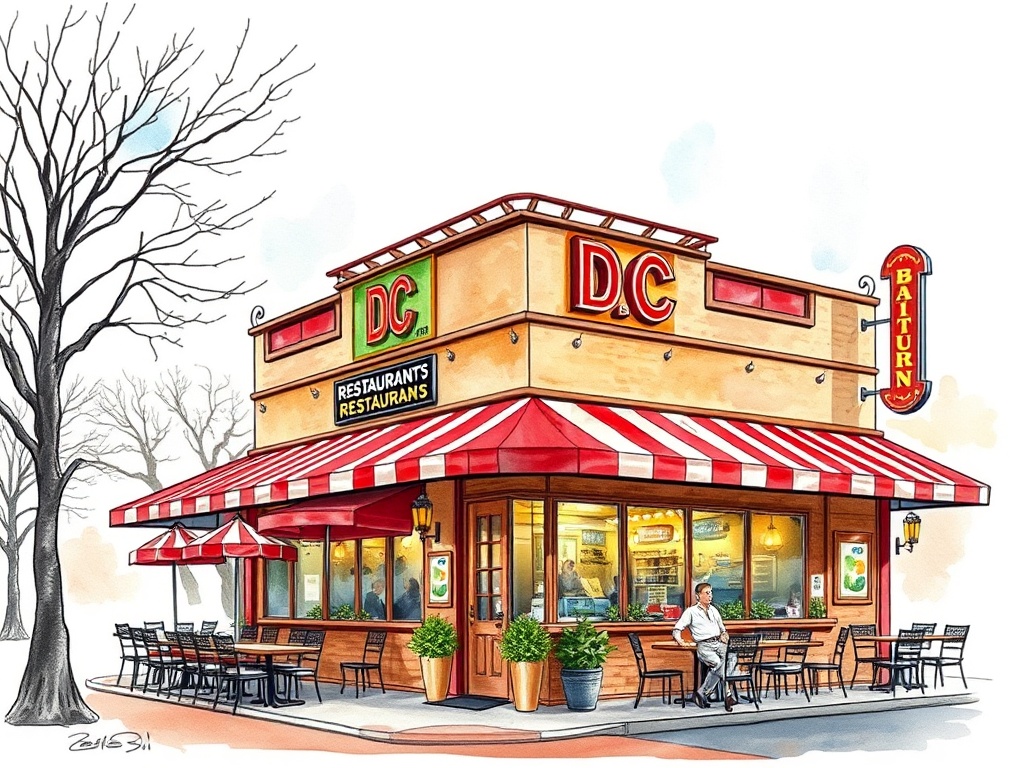
– Check menus and policies online: Many restaurants update hours, seating policies, and menus frequently.
– Explore neighborhood hopping: Combine a pre-dinner walk, a main course in one area, and dessert or drinks in another to experience more of the city.
– Use happy hours and prix fixe menus to sample high-end spots affordably.
– Support local producers: Buying items from market stalls and ordering house-made goods helps sustain the neighborhood ecosystem.
Whether you’re a local or visiting, Washington DC restaurants reward exploration. Focus on neighborhoods you enjoy, check for seasonal offerings, and be ready to try a little bit of everything—from casual counters to carefully curated tasting menus. That approach will uncover both long-standing favorites and exciting new additions to the city’s vibrant food landscape.