A timeless symbol of American ideals, the Lincoln Memorial draws millions of visitors to the National Mall to reflect on history, architecture, and civic values. Whether you’re planning your first visit or returning to capture a new angle, understanding the memorial’s story, design, and practical visiting tips will enhance the experience.
What the Lincoln Memorial represents
The Lincoln Memorial honors the legacy of Abraham Lincoln and stands as a physical reminder of unity, freedom, and democracy.
Inside, the seated sculpture of Lincoln faces the Washington Monument across the Reflecting Pool, flanked by inscriptions of the Gettysburg Address and the Second Inaugural Address — speeches that emphasize equality and reconciliation. The site also gained powerful cultural significance as the backdrop for historic public gatherings, including a pivotal civil rights rally that elevated the memorial as a platform for national conscience.
Design and symbolism
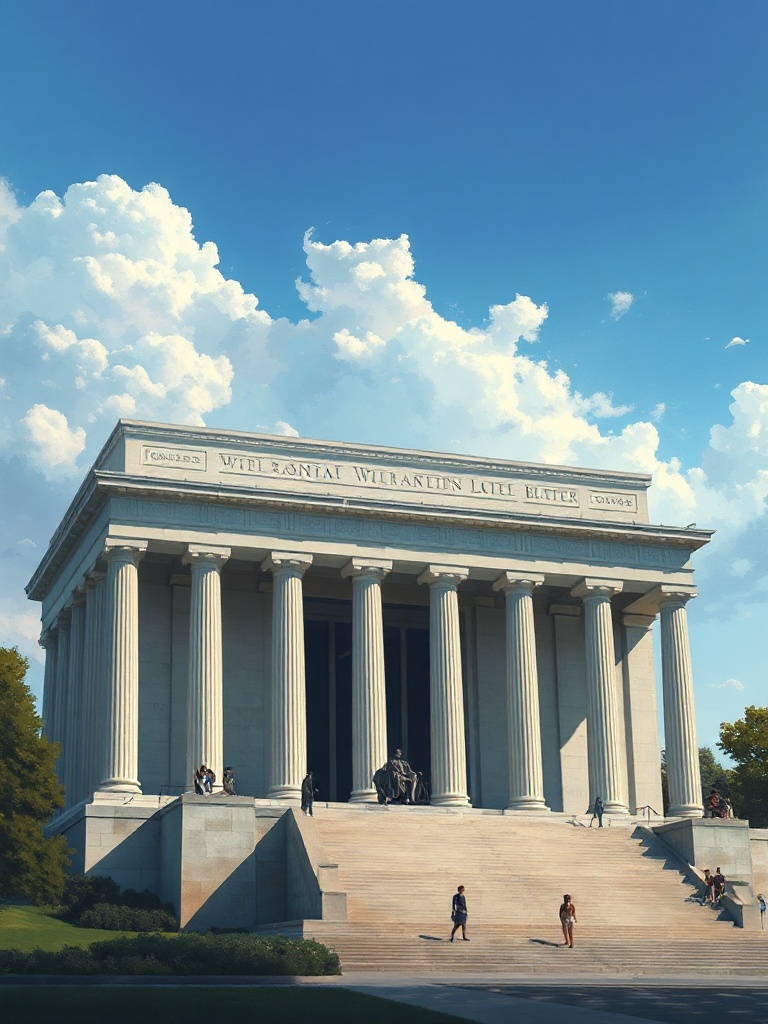
Designed in the form of a classic Greek temple, the memorial’s Doric columns and marble exterior evoke ideals of democracy and permanence. The sculptor’s portrayal emphasizes Lincoln’s contemplative strength, while symbolic elements — from the number of columns to the engraved passages on the interior walls — encourage visitors to reflect on leadership, justice, and national purpose.
Practical visiting tips
– Best times: Early morning or late evening provide softer light for photography and fewer crowds. The memorial is open daily and remains a popular spot after dark for its illuminated statue and dramatic sightlines.
– Accessibility: The site is accessible, with ramps and elevators providing entry to the main chamber. Accessible parking and shuttle options are available on the National Mall.
– Security and behavior: Expect routine security screenings. The memorial is a space for reflection, so quiet and respectful behavior is encouraged.
Large events may require permits through the managing authority.
– Nearby stops: Pair your visit with other nearby memorials and museums, such as the Reflecting Pool, Vietnam Veterans Memorial, Korean War Veterans Memorial, and the Smithsonian museums clustered along the Mall.
Photography and composition tips
– Symmetry works beautifully: Center the statue with the reflecting pool and Washington Monument for classic, balanced compositions.
– Golden hour and blue hour deliver rich color and softer shadows; nighttime photography captures dramatic lighting on the statue and interior inscriptions.
– Long exposures can smooth the reflecting pool’s surface for serene reflections; bring a tripod where allowed and be mindful of other visitors.
– Drone use is restricted across the National Mall, so rely on ground-based framing instead.
Conservation and stewardship
The memorial is actively maintained to preserve its marble surfaces, bronze features, and surrounding landscape. Conservation efforts address wear from weather and heavy foot traffic while ensuring lighting and accessibility upgrades remain sensitive to the site’s historical character. Visitors can support preservation by sticking to paths, avoiding touching delicate surfaces, and following posted guidelines.
Why the Lincoln Memorial still matters
The memorial continues to be a place where history, civic life, and personal reflection intersect. Its inscriptions and symbolism invite visitors to consider the nation’s ideals and the ongoing work of living up to them. Whether you come for history, architecture, or a peaceful moment on the National Mall, the Lincoln Memorial offers a powerful and accessible experience that resonates with many different perspectives.