The Lincoln Memorial remains one of the most visited and photographed landmarks on the National Mall, combining striking neoclassical design with powerful national symbolism. Whether you’re planning a first visit or returning to see the memorial with fresh eyes, knowing what to look for and how to make the most of your time can turn a brief stop into a memorable experience.
What to see and why it matters
The centerpiece is the seated statue of Abraham Lincoln, carved to convey both strength and contemplation.
Flanking the statue are inscriptions of two of his most famous speeches—the Gettysburg Address and the Second Inaugural Address—carved into the interior walls so visitors can read the words that helped shape the nation’s ideals. The memorial’s outer colonnade, inspired by a Greek Doric temple, uses columns to symbolize the states in the Union at the time of Lincoln’s death, while sculptural and architectural details reflect themes of unity, justice, and national purpose.
Best times to visit
For quieter, more reflective visits, arrive early in the morning when light across the Reflecting Pool is soft and crowds are thinner. Evening visits offer dramatic skyline views and photography opportunities during the blue hour, when the monument’s lighting creates a striking contrast against the sky. Weekends, holidays, and special commemorations draw larger crowds, so plan accordingly if you prefer a more peaceful experience.
Photography and viewing tips
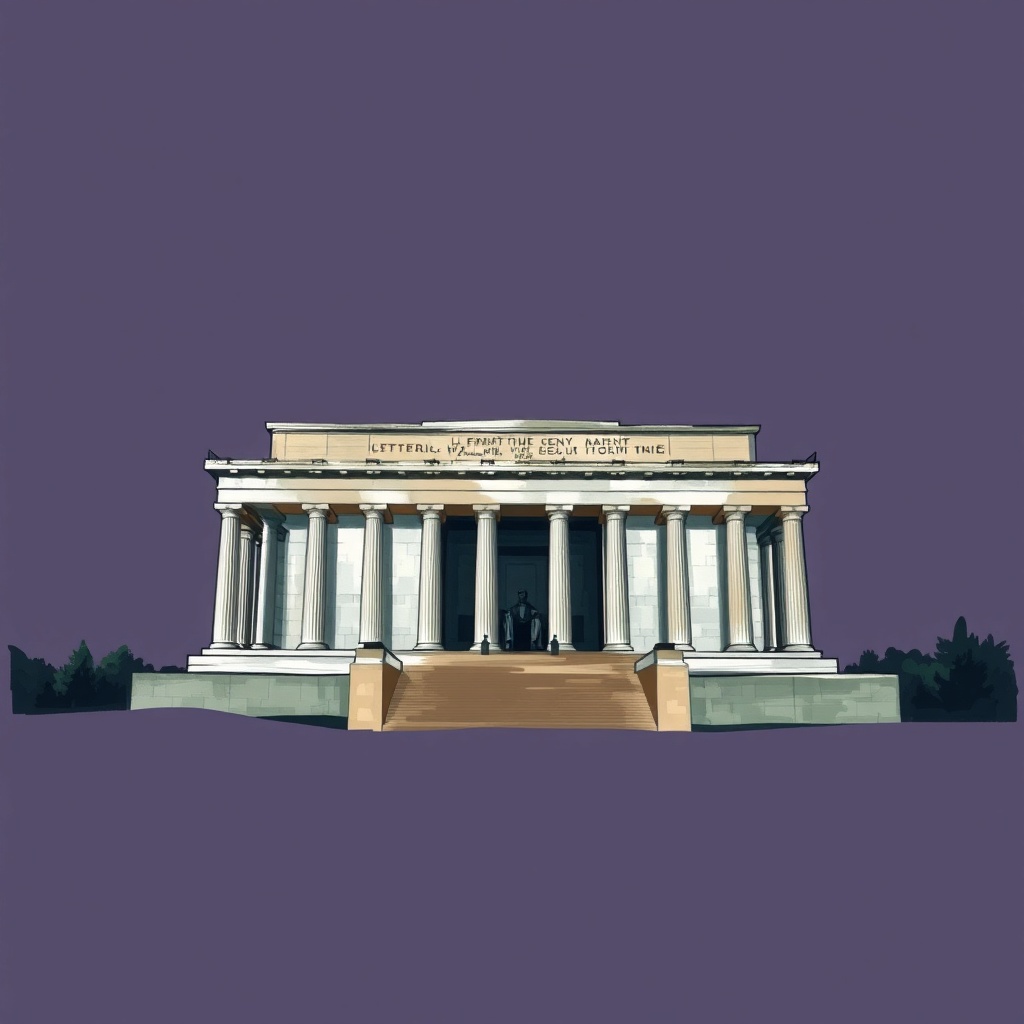
– Capture reflections: The long Reflecting Pool provides classic mirror shots of the memorial—position yourself along its edge for symmetry.
– Use vertical framing for the statue and inscriptions, horizontal framing for the colonnade and Reflecting Pool.
– Mind lighting: Side light in the morning reveals texture and depth; evening illumination emphasizes silhouette and contrast.
– Respect the setting: Keep noise and movement minimal during quiet moments; tripod use may be restricted during busy periods.
Accessibility and visitor amenities
The memorial is designed to welcome visitors of varied mobility.
Accessible paths lead to the plaza and interior chamber, and accessible seating areas are available. Nearby visitor centers and interpretive exhibits provide historical context and practical information. Expect security screening at times, and check the National Park Service guidance for any visitor advisories or temporary access changes.
Events and civic life
Because of its symbolic importance, the memorial is a frequent backdrop for civic ceremonies, commemorations, and cultural gatherings.
Public speeches and large-scale events are coordinated through park authorities, so large crowds are common during national observances and organized demonstrations.
Conservation and stewardship
Careful conservation preserves the memorial’s stonework, sculpture, and inscriptions from weathering and pollution. Ongoing maintenance and targeted restoration projects help protect the site for future visitors while balancing access with preservation priorities.
Practical tips
– Wear comfortable shoes: There are steps and stone walkways to navigate.
– Bring water and sun protection: The open plaza can be exposed during hot days.
– Combine nearby sites: The memorial’s location on the mall makes it easy to pair with the nearby museums, war memorials, and the Capitol-area vistas for a fuller visit.
The Lincoln Memorial continues to resonate as a place of reflection, public memory, and civic gathering.
With thoughtful planning and respect for the site, a visit can be both informative and emotionally meaningful, connecting visitors to the words and ideals that remain central to the American story.