Why George Washington University remains a top choice for students drawn to policy, international affairs and Washington, D.C.
opportunities
George Washington University’s location at the heart of the nation’s capital is its biggest asset.
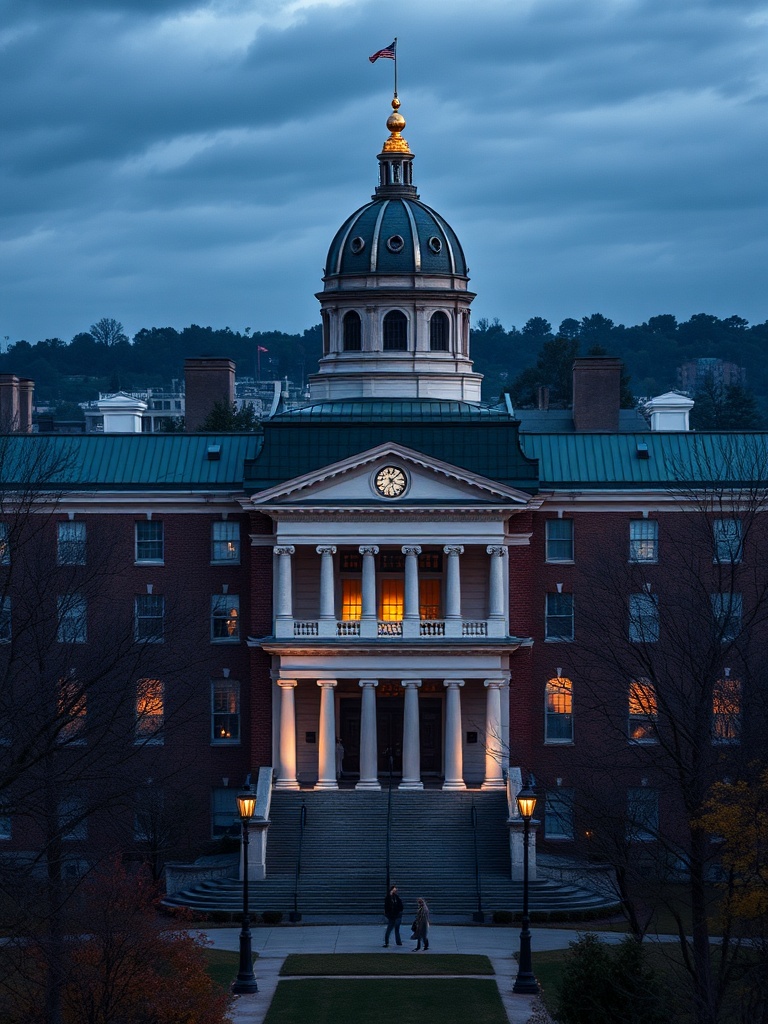
With a campus that opens directly onto policy hubs, embassies, federal agencies and major think tanks, students gain unmatched proximity to internships, networking and real-world experience that feed classroom learning. For anyone aiming at careers in public policy, international affairs, law, journalism or health policy, that geographic advantage translates into practical advantages: internships during the semester, part-time roles with influential organizations, and frequent guest lectures from leaders who are actively shaping policy.
Academic strength and interdisciplinary programs
GWU’s schools and colleges offer a wide range of programs that connect theory to practice. Programs in international affairs, public policy, law and public health are especially well-regarded for integrating experiential learning. Cross-disciplinary options allow students to combine political science with data analytics, public health with management, or international relations with language study — creating flexible career-ready skill sets. Research centers and policy institutes on campus provide additional pathways to work alongside faculty on timely projects, publish findings, and present at conferences.
Career outcomes and hands-on learning
The university’s career services capitalize on its D.C. location to help students secure internships on Capitol Hill, in federal agencies, at NGOs, and with media outlets. Employers value applicants who arrive with practical experience and clear exposure to policy settings; GWU’s robust internship pipelines and partnerships help students build that resume.
There’s also a strong focus on entrepreneurship and innovation: campus resources support students who want to launch startups, commercialize research, or pursue social ventures.
Campus life, culture and community in Foggy Bottom
Beyond academics, campus life reflects a balance of student clubs, cultural institutions, and easy access to the city’s museums, theaters and public spaces. The nearby cultural district and major performance venues make it simple to attend events that complement classroom topics — from foreign policy debates to public health symposiums and arts exhibitions. Student organizations are active across political, cultural, professional and service areas, helping students develop leadership experience and long-lasting networks.
Research, public engagement and civic impact
Faculty and students frequently engage in public-facing research and community partnerships that influence policy and practice. Whether conducting policy analyses, delivering public health outreach, or advising local governments, the university emphasizes scholarship that connects directly to real-world problems. Regular speaker series and panels bring policymakers, diplomats, and thought leaders to campus, creating continuous opportunities for engagement and debate.
Practical considerations
Living in a dense urban campus means easy transit access and a wealth of city resources, but students should plan for the higher costs and fast pace of metropolitan life. Housing options include on-campus residences and nearby neighborhoods; many students offset living expenses through paid internships and part-time work. The campus also offers robust student support services — academic advising, mental health resources, and career coaching — to help students navigate academic and personal growth.
Choosing a university is about fit as much as reputation. For students motivated by real-world policy experience, a global outlook and a desire to be at the center of civic life, George Washington University’s blend of location, academic breadth and career-focused programming makes it a compelling choice.