Lincoln Memorial: What to See, Why It Matters, and How to Visit
The Lincoln Memorial is one of the most iconic symbols on the National Mall, attracting visitors for its powerful symbolism, classical architecture, and commanding view across the Reflecting Pool. Whether you’re planning a first visit or returning for deeper study, understanding its design, inscriptions, and surrounding landscape will enrich the experience.
Architecture and artistic highlights
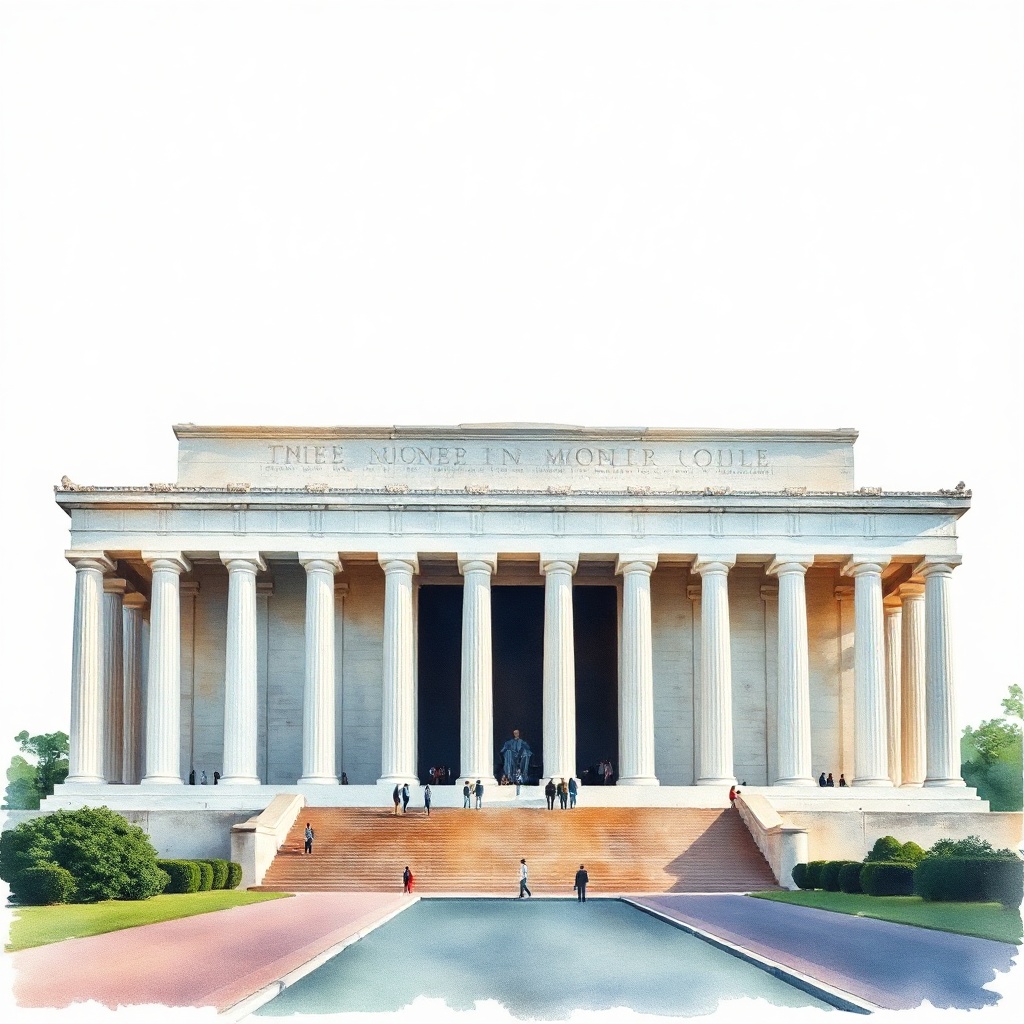
The memorial’s design echoes a Greek Doric temple, with a ring of columns that represent the states in the Union during Lincoln’s presidency. At the center sits a monumental seated figure of Abraham Lincoln, sculpted from blocks of white marble and carved by master craftsmen. Above the statue, a solemn inscription honors Lincoln’s role in preserving the Union and reflects the memorial’s purpose as a place of public reflection.
Inside, the walls display two of Lincoln’s most important addresses, presented so visitors can read the words that defined his view of nationhood and reconciliation. The grandeur of the chamber, the scale of the statue, and the interplay of light and shadow create an intentionally reverent atmosphere.
Historical and cultural significance
The memorial functions both as a tribute to one president and as a stage for national conversations about freedom and equality.
It has been the backdrop for historic public gatherings and continuing civic rituals.
For many, the site is a place to reflect on leadership, sacrifice, and the ongoing work of democracy.
The Lincoln Memorial also anchors the western end of the National Mall, framing vistas to the Washington Monument and the Capitol and forming part of the city’s symbolic and ceremonial axis.
Visitor tips and photography
– Best times: Early morning offers quieter conditions and soft light for photographs of the statue and the Reflecting Pool. Evenings provide dramatic illumination and can be less crowded after daytime tours depart.
– Views to capture: The full-length shot from the steps with the Reflecting Pool in the foreground; a close-up of Lincoln’s contemplative expression; and the inscriptions on the chamber walls.
– Night photography: The memorial is illuminated after dark, offering crisp contrasts and reflections—bring a tripod for long exposures.
– Respectful behavior: The interior is a place of remembrance. Keep voices low and avoid climbing on monuments.
Getting there and accessibility
The memorial is managed by the National Park Service and is reachable by public transit, bike, or on foot from nearby Mall attractions.
There are accessible routes and ramps that lead to the chamber; park information desks and signage help visitors with mobility needs plan the easiest path.
Practical considerations
Admission is free. Ranger-led programs and interpretive talks are offered seasonally and can deepen understanding of the memorial’s symbolism and history. Nearby facilities include restrooms, benches, and ample green space for picnics and reflection. Combine a visit with a walk along the Reflecting Pool or a stop at adjacent museums for a full Mall experience.
Why it still resonates
More than a single sculpted likeness or architectural triumph, the Lincoln Memorial endures as an emblem of national ideals. Its inscriptions invite contemplation, its setting organizes powerful visual lines through the city, and its history as a gathering place keeps it relevant for civic expression. For visitors who come to learn, remember, or photograph, the memorial rewards attention with layers of meaning that continue to speak to the public imagination.